Insurance Adjusters and Restoration Teams
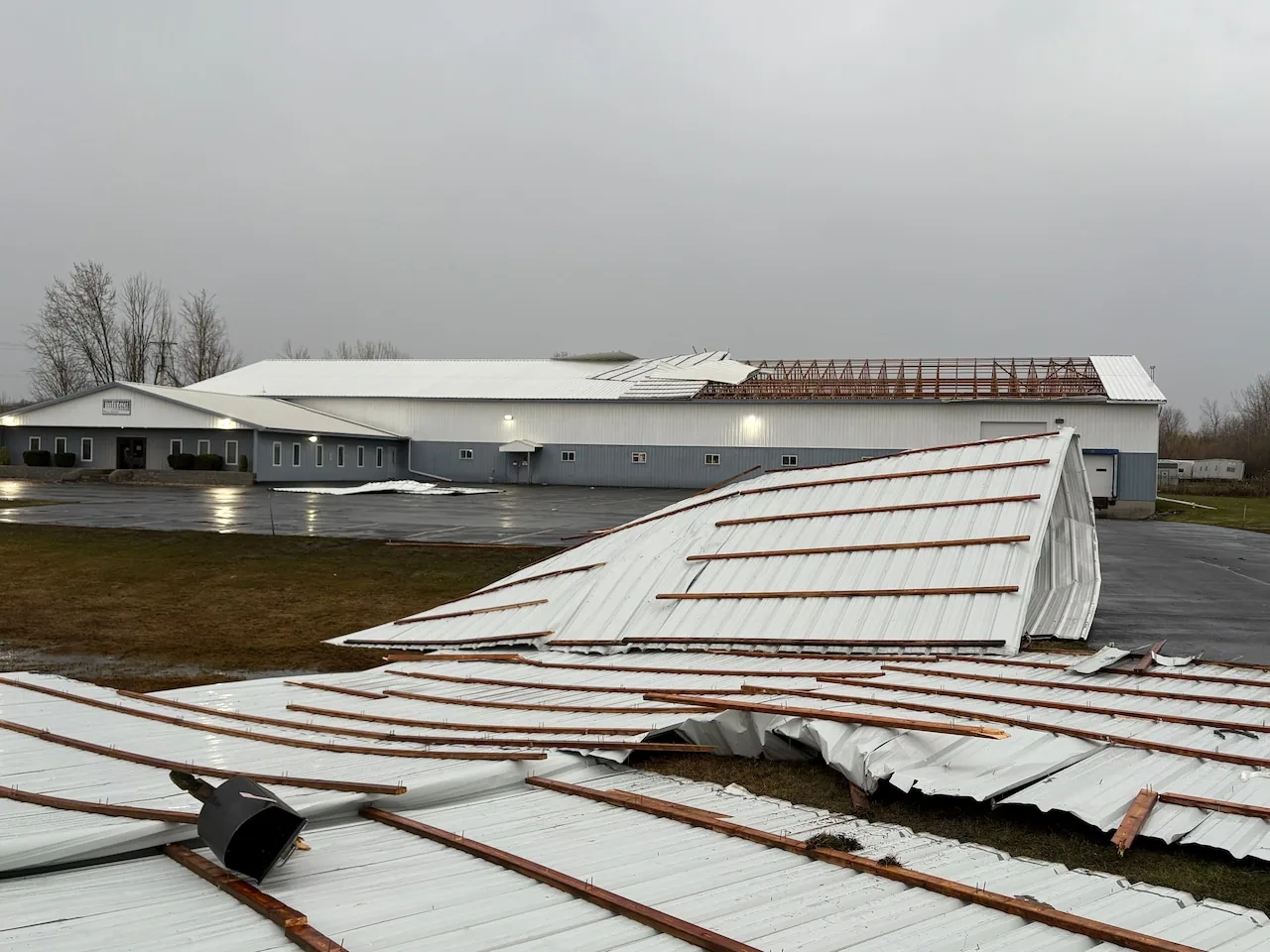
What changed on this roof between the last inspection and the loss, and can the photographs prove it? An adjuster or a restoration lead in Temple, TX asks that question on every roof claim, and the answer depends on records made in the first hour. After the EF-2 tornado of May 22, 2024, with peak winds near 120 mph, weather service surveyors recorded damage at restaurants, shops, banks and strip malls, and gusts elsewhere in Temple were pegged between 80 and 90 mph. Claims after an event like that come in clusters, and each needs evidence that separates storm damage from age.
We work as the party that makes the opening safe, documents the failure point and prices the repair, while the adjuster decides coverage. Emergency stabilization stays separate from the permanent scope, and both are written so a reviewer can follow them without a visit. A claim file needs more than speed: it needs the right photographs, from the right angles, with the right labels, taken before anything is covered.
What Does the Make-Safe Step Include?
A make-safe step is the minimum work needed to stop further damage: a tarp, a temporary membrane patch, a cleared drain, a sealed penetration. It is not a repair. We photograph the roof before and after the step, note the time and weather and record the moisture reading around the opening. The step is priced separately from the permanent scope so the carrier sees the cost of mitigation distinct from the cost of repair, and it is limited to what protects the building until the adjuster can inspect.
If the carrier wants to see the roof before anything is covered, we wait for the adjuster's call and note the time, and a drone inspection can cover a large roof quickly without sending anyone onto a weakened surface. If the building is at risk of immediate loss, we act and document.
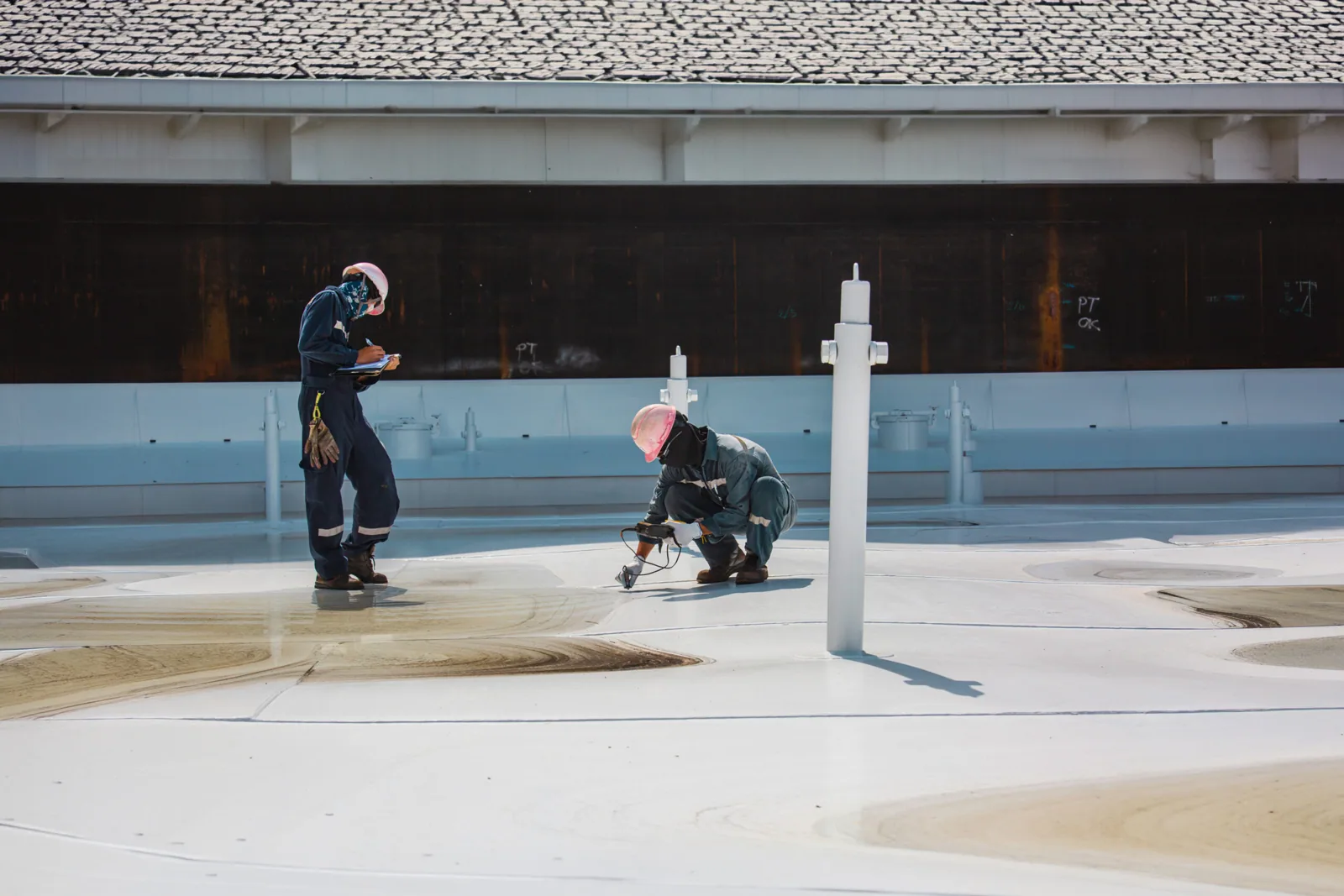
The photographs follow a set pattern so a reviewer who has never seen the roof can follow them. Wide shots establish the building and the roof area. Mid-range shots show each section. Close shots show the damage itself, with a scale reference. Each photograph carries a number that matches a mark on the sketch, so the reader can find the spot. Moisture readings are noted beside the photographs, with dates and times.
How Is Storm Damage Separated From Age?
The evidence is in the pattern. Wind damage tends to start at corners and edges, lift or tear flashing, displace edge metal and leave debris marks. Age tends to show as chalking, shrinkage, thin coating, open seams along a field and algae at low spots. Hail leaves bruises and fractures in a recognizable pattern. Fire leaves char and heat distortion. We photograph each condition, mark it on a sketch and write a one-line cause for each.
Where a roof carries both, we say so. A storm may have found the weak details that age had prepared, and the scope separates the two.
An older roof raises a different question: how much of the repair is betterment? A replacement of a worn roof after a storm may include items that go beyond the pre-loss condition, and the carrier may reasonably ask for those to be identified. We do that by listing each scope line with a note on whether it restores the pre-loss condition or adds to it. The owner then decides how to fund the difference.
What Does a Repair Scope Look Like for a Claim?
The scope lists each item with a location, a quantity, a unit price and a photograph. It names the system, the attachment, the insulation and the flashing. It separates items tied to the event from items tied to age or code, so the carrier can allocate cost. Code items are identified with the permit office instead of guessed, since Temple's Building Department confirms which International Building Code edition applies during plan review. The scope is signed and dated. Allowances are stated plainly: deck repair at a unit price per square foot, insulation replacement at a unit price per square foot and flashing at a unit price per linear foot. If the actual quantity differs, the adjustment follows the stated unit price, and the quantities are measured and photographed before they are paid. That keeps supplements short and keeps the file free of arguments about what the roof needed.
How Do Clusters of Claims Change the Work?
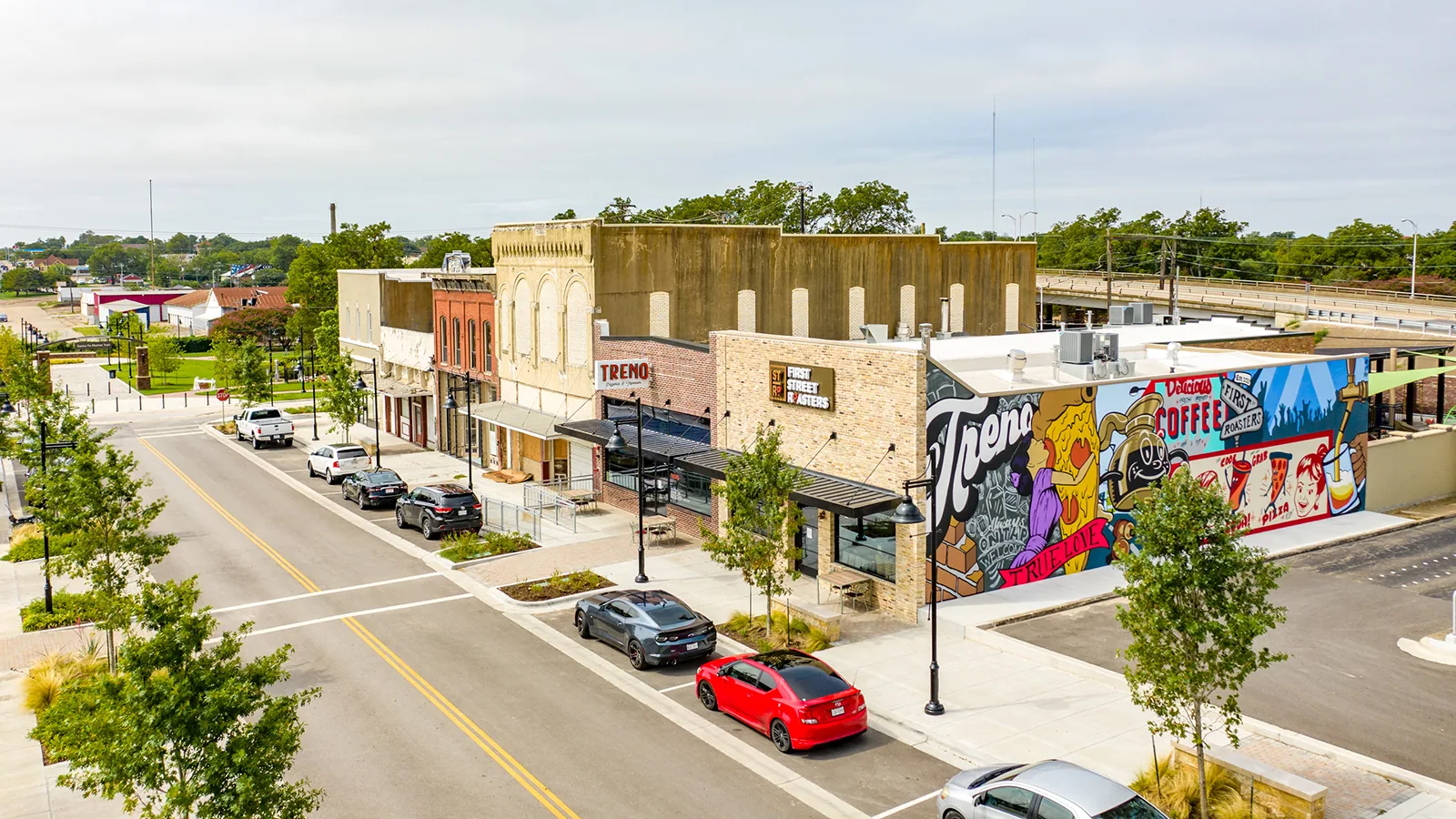
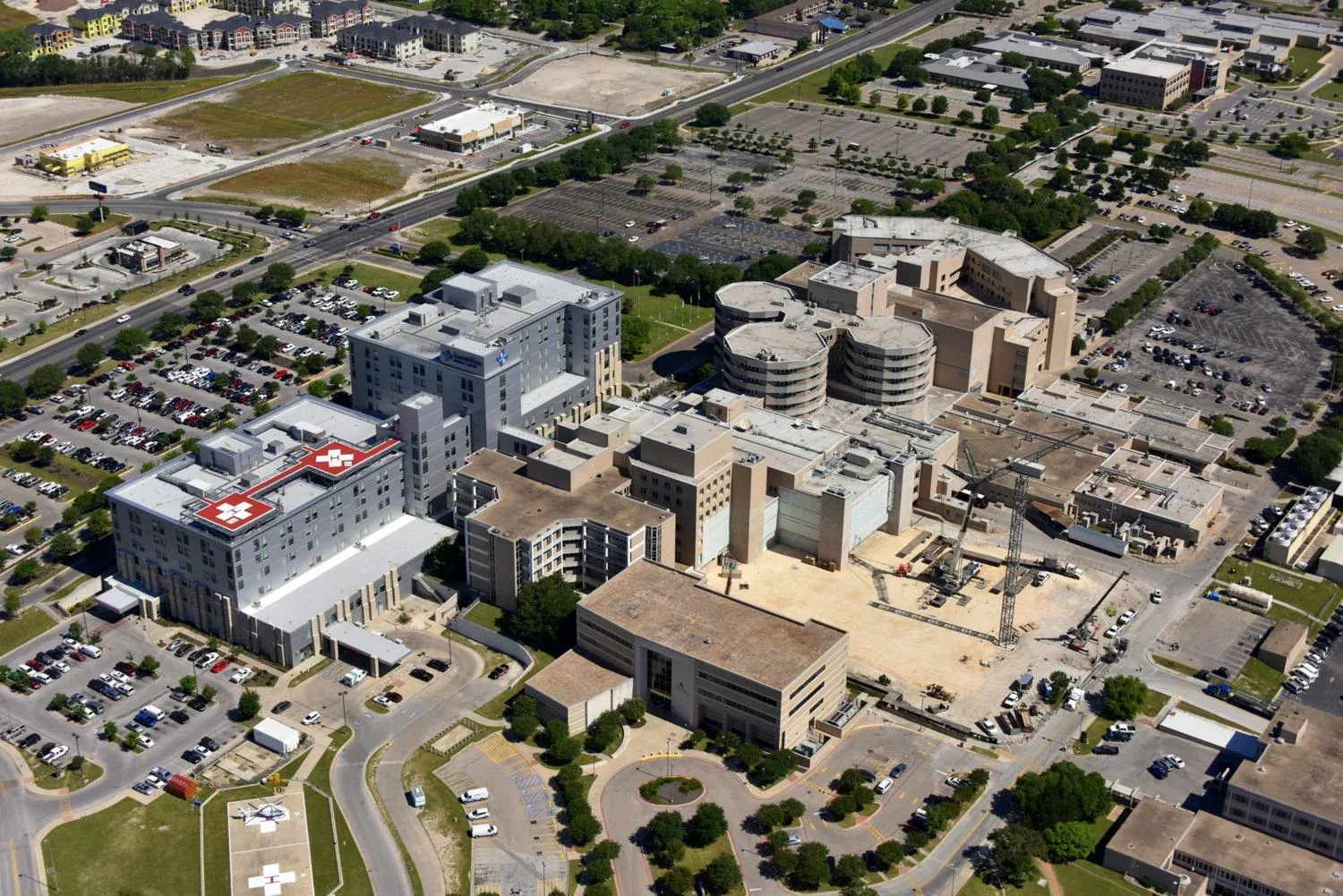
After a severe event, many roofs need attention at once. Our approach is to rank the buildings by consequence of failure: a roof over occupied space or critical equipment first, a roof over storage after. Each building gets an intake record and a make-safe step. The adjuster or restoration lead receives a daily summary: buildings visited, steps taken and the next visit window. We make no promise about arrival times, because demand after an event is uneven, but the ranking is shared so everyone knows where the building stands. A restoration lead managing many sites can see the status of each in one list, and an adjuster who needs a particular roof inspected first can ask for it. Where a roof is near Downtown Temple or the Temple Medical and Education District, the access plan notes the street and parking limits that affect the crane and the crew.
For a portfolio owner, the record also supports a claim assistance package that organizes photographs, estimates and correspondence.
Which Local Facts Frame an Inspection?
Heat and rain set the background: highs near 95 F in August, roughly 80 days over 90 F and about 39 inches of rain in a year. The tornado of May 22, 2024 and the second, rated EF-1, that began near Little River-Academy that evening show that the region can produce strong wind. These are inspection context, not proof that any one roof was damaged. The adjuster still needs the roof to speak for itself, and our photographs and readings are meant to let it.
How Does the Record Serve Everyone After the Claim?
The record continues to be useful after the claim closes. An owner can use it to plan the permanent work, to document the baseline for the next event and to answer questions from a lender. A restoration company can use it to coordinate trades. A storm damage repair that follows the claim uses the same photographs. For commercial owners, the record also informs the roof condition report for the rest of the portfolio.
Adjusters and restoration teams often work with property managers and general contractors, and the record is written so each can find what they need.
A restoration lead can also hand the same photographs to the trades that follow the roof, which saves each of them from re-documenting what is already on file.
Commercial Roofing Questions
Do you decide coverage?
No. The carrier decides coverage. We document the roof, make it safe and price the repair.
How do you document a tarp job?
Photographs before and after, time and weather, moisture readings and a sketch of the opening. The tarp cost is stated separately.
Can you separate age from storm on an older roof?
Usually, by pattern and evidence. We say when both are present and what each adds to the scope.
How quickly can an inspection happen after a storm?
That depends on demand. We rank buildings by consequence and share the ranking, but we do not promise arrival times.
What if the carrier wants a second opinion?
We provide the intake record, the photographs and the moisture readings, and we answer questions in writing.