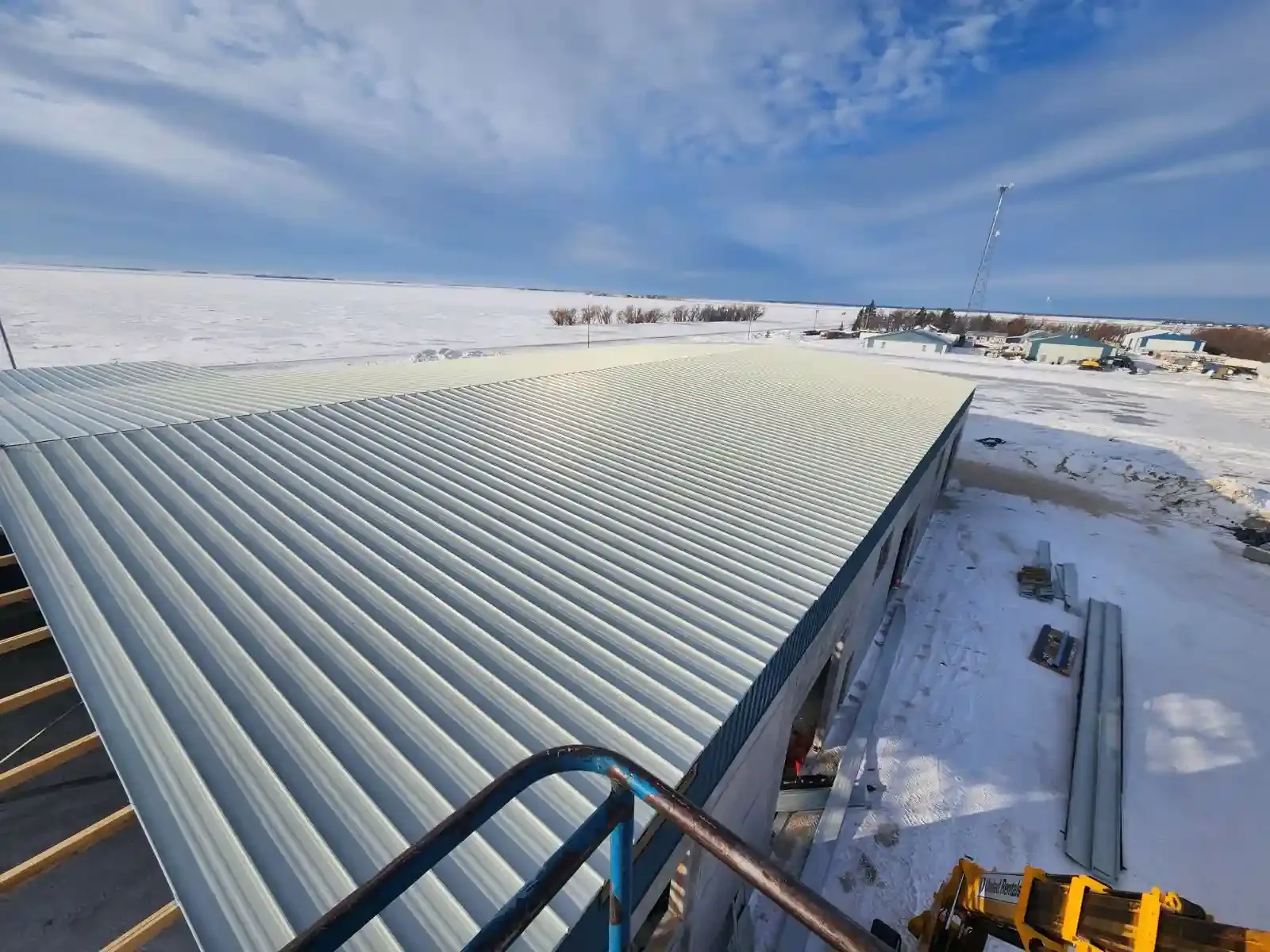
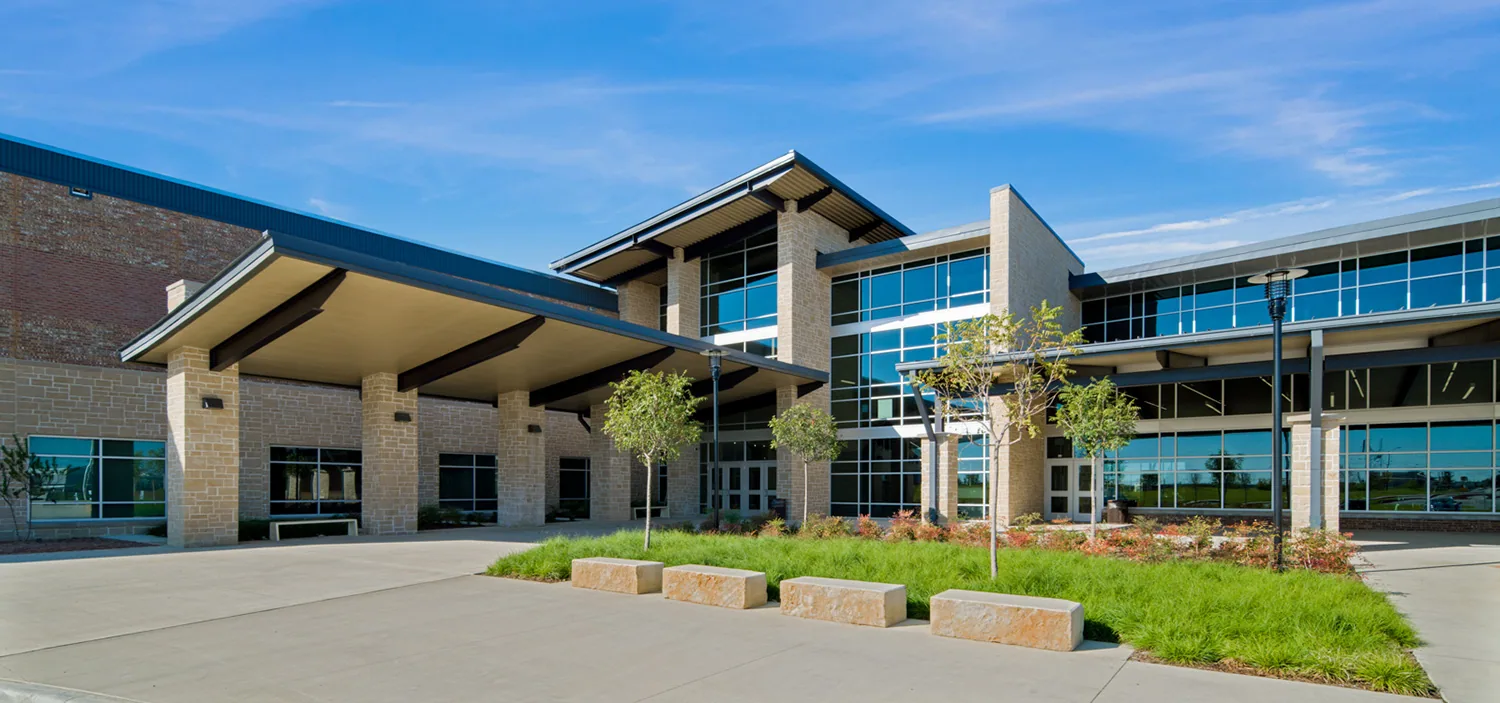
Church and Worship Center Roofing
Water is running down a sanctuary wall on a Thursday evening, and the service is Sunday morning. Someone on the church board, often a volunteer with a day job, has to decide in the first hour who goes onto the roof, what is protected inside, and whether the building can be used this weekend. In Temple, TX a church roof fails quietly, in valleys and behind steeples, and the record that helps the board decide has to be written by someone who can read the roof.
What fails first on a church roof?
Valleys, steeple and tower bases, and the joints between the main roof and the lower roofs around it. A church often has a tall sanctuary roof, lower wings for classrooms and fellowship halls, entry canopies, and sometimes a flat roof over an addition from a later decade. Water runs from the high roof onto the low one, and the junction between them is where flashing fails.
Each roof section gets walked as a separate roof on the first visit. We photograph valleys, flashings, and penetrations, probe sealants, and check gutters and downspouts for debris. Heat does steady work on a Temple roof: afternoons near 95F in August and some 80 days a year over 90F bake sealants and make metal swell and shrink every day from May on. Access to a tall roof needs specialty equipment, which goes into the plan before the visit. The sketch marks each section and ties it to the room below. We also note which gutters and downspouts serve which roof, since a clogged gutter at a valley outlet sends water back under the shingles or panels and mimics a flashing failure.
What is the make-safe step before a service?
The goal is a dry sanctuary by the time people arrive. The roof crew installs a temporary dry-in or sealed patch over the opening and secures it against wind. The congregation's volunteers handle the interior: buckets, plastic, moving furniture and instruments. We photograph the opening before covering it, record the room below, and note the materials used.
A holding repair buys time until the board can decide on the permanent scope. The record marks it as temporary, gives the date, and says in plain words what it covers. Boards often have to raise funds or schedule a vote, so the record separates what was done in the emergency from what is still to be decided. Neither the board nor the crew should confuse a tarp with a roof. Between the make-safe visit and the permanent work, the crew rechecks the dry-in after any wind or rain, because a tarp that shifts in a gust has stopped doing its job.
How do we find hidden damage in a high roof?
Water entering at a flashing can travel inside a roof assembly for a long way. An infrared scan on a clear evening reads the surface of a low-slope section, and core cuts confirm the findings. For steep sections, the inspection relies on a close visual check and, where it helps, a penetration and skylight review, since skylights and roof vents in a sanctuary are common leak sources.
Where a ceiling has a stain, we map the stain to the roof above it. Where the ceiling space holds wood framing, old insulation, or decorative plaster, a leak that goes undiscovered causes damage that is expensive to repair. The moisture map is dated and filed, and a later survey tells the board whether the repair held. Flashing failure repair at a valley or tower base is often the first and most effective fix.
What about older and historic church buildings?
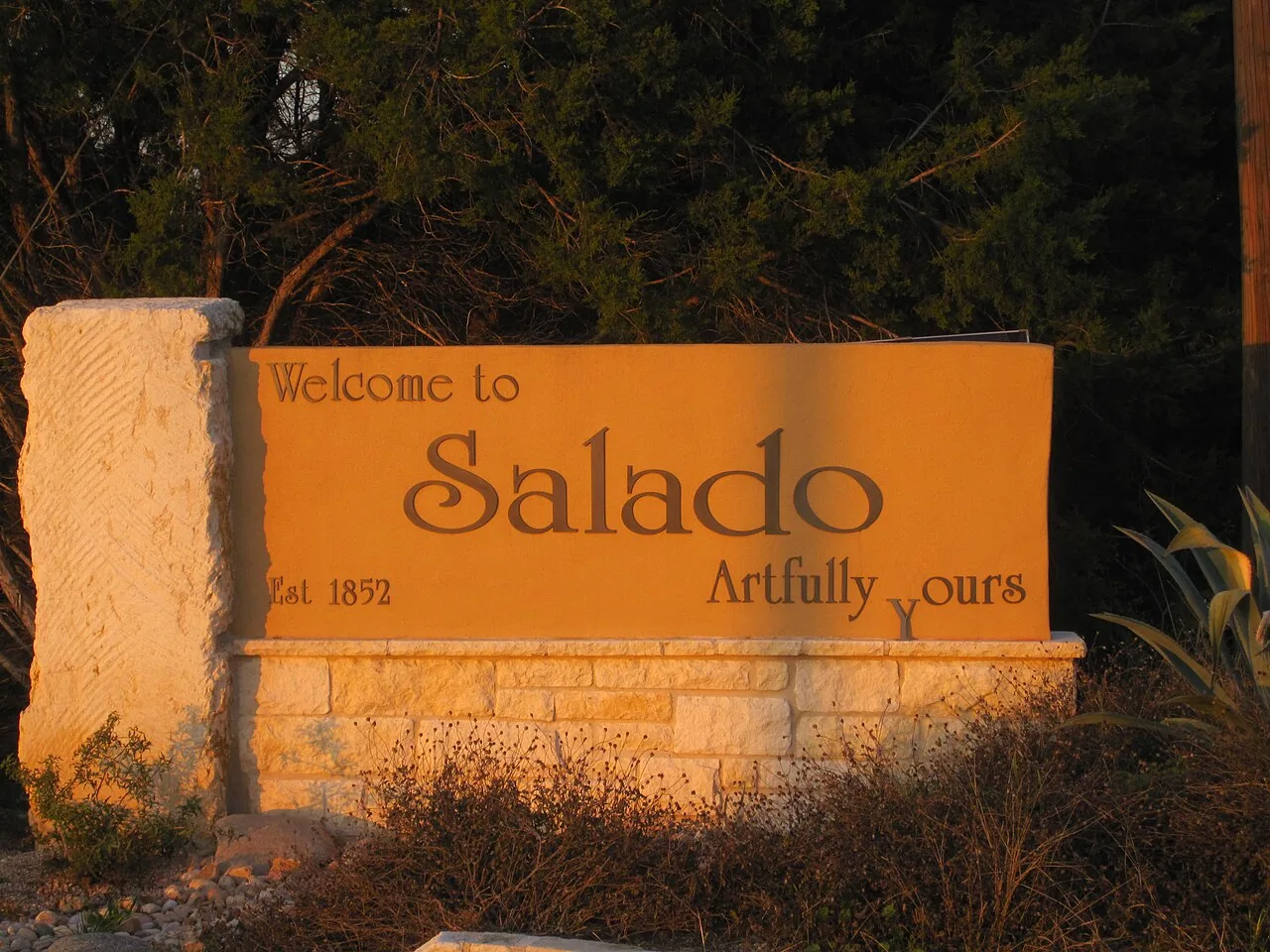
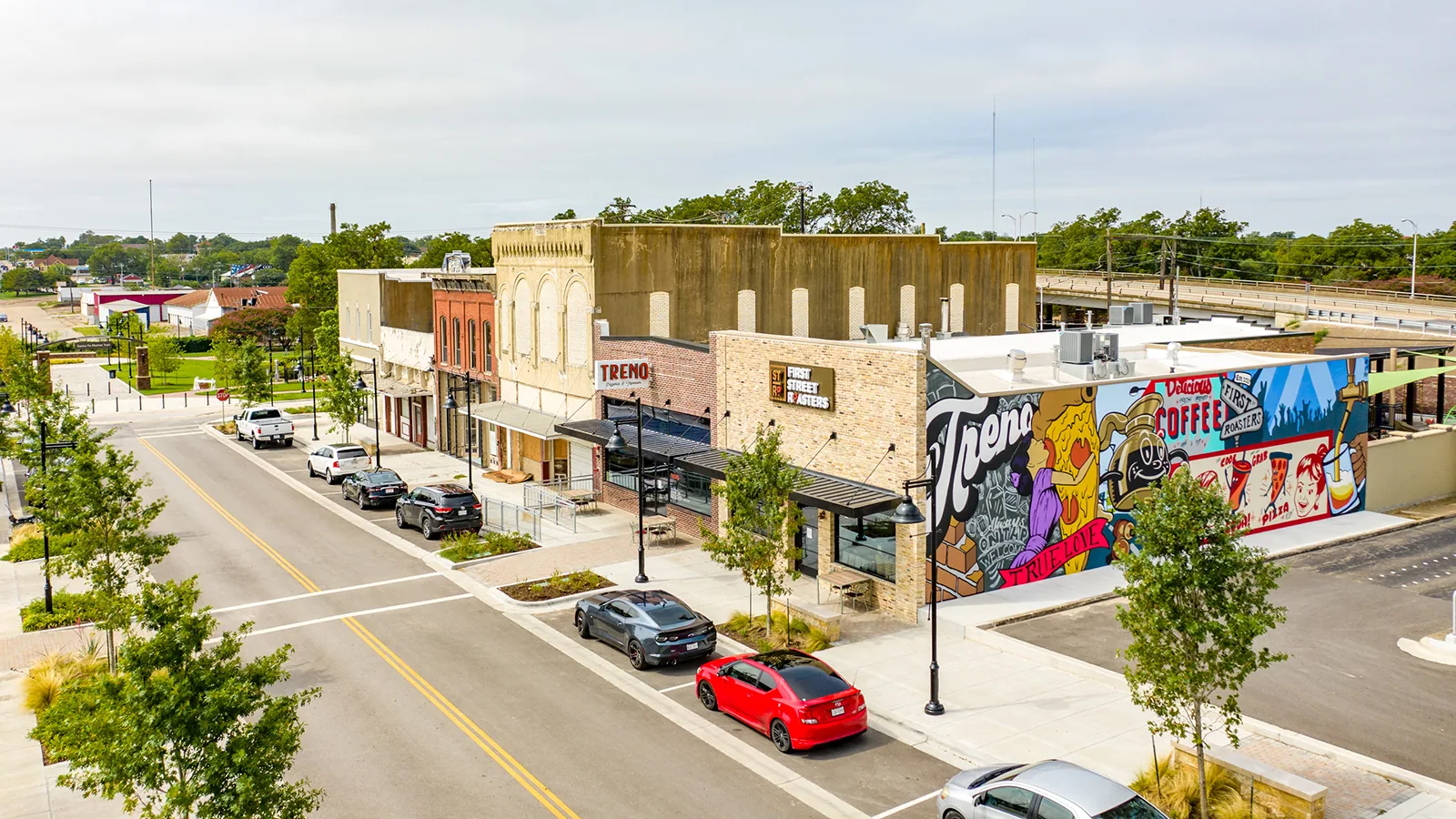
Older buildings are part of this region: nineteen Salado locations are on the National Register of Historic Places, and downtown Temple has the Hawn Hotel, Arcadia Theater, and Sears Building. A historic church may have a slate, clay tile, or metal roof that needs different care than a modern low-slope system.
An older church deserves a careful look. The inspector checks the framing for rot, the flashings for lead or copper that has failed, and the gutters, which on older buildings may be built into the cornice. Where a building is protected, the board or congregation may need approvals before materials change. We describe the options and what each costs, and the board decides. A Salado congregation and one in downtown Temple would be walked the same way.
What does the 2024 storm record mean for a worship building?
Wind starts at the high edges of a tall building, and Temple's recent record shows why that matters: an EF-2 tornado on May 22, 2024 carried peak winds near 120 mph and, per the National Weather Service, damaged restaurants, shops, banks, and strip malls. Estimated straight-line gusts between 80 and 90 mph covered the city that day, and an EF-1 tornado touched down near Little River-Academy later on. That is regional context. It is not a finding about any church.
For a tall building, wind begins at the high edges. Ridge caps, tower flashings, and steeple bases take the load, and so do low roofs around the base. Before storm season we check them for loose fasteners and open joints, and after a storm we compare against the earlier photographs. A steep roof of standing seam metal has its own checks along each panel and clip.
How does a board plan the permanent scope?
After the make-safe and the survey, the open decision is capital timing. The board sees what was repaired, what is monitored, and what is coming due. A roof that tests dry and sound can be repaired or coated and kept in service. A roof with repeated failures and wet insulation is a replacement candidate. The scope lists cost drivers in plain terms: area, access equipment, penetrations, wet material to remove, and the hours the building can accommodate.
Work is scheduled around services, funerals, and seasonal events, and noisy tasks avoid worship hours. A congregation with a school or a daycare shares planning with the approach used for school roofing. For a church that also hosts a senior program, the quiet-hours rules from senior living roofing apply to the same plan.
Commercial Roofing Questions
Who decides whether the building is used this weekend?
The board or pastor, with the roof facts in hand. We tell them whether the opening is sealed, what the holding repair covers, and what weather would test it. If the sanctuary is dry and the repair is secure, the call is theirs. If it is not, we say so plainly.
How can a congregation pay for a roof it did not plan for?
Phasing and ranking help. The survey separates what must be fixed now from what can wait, and the scope can be split into stages across budget years. A holding repair buys time to raise funds without further damage.
What access equipment does a tall church roof need?
Often a lift or a ladder-and-harness plan, depending on the height and the ground around the building. We include access in the scope because it affects cost and the choice of workdays. Fall protection is set up before anyone steps onto the roof.
Can a steeple be repaired without removing it?
Often. The base flashing, louvers, and cap can be repaired from the roof or with a lift. If the structure inside is damaged, a specialist assesses it. We record the roofing findings and recommend who else needs to look.
How do we handle a historic roof?
We start with an inspection of the existing material and framing and an explanation of the options. Matching materials and respecting approvals can raise cost, and the scope shows the difference between a like-for-like repair and a modern substitute.