Data Center Roofing
Water over a white-space floor is the failure that a critical-facility owner plans against, and the first call in the first hour is whether anyone may go on the roof at all. A data center roof sits above servers, switchgear and cooling plants whose outage costs more per minute than any roof repair, so the work is governed by change control, security escort and a clear rule that no opening is left unprotected. A Temple, TX owner with a data hall, or a server room inside a larger building, wants a roofer who writes things down before touching anything.
We triage in that spirit: what failed, what it threatens and what approvals the make-safe step needs.
What fails first on a critical-facility roof?
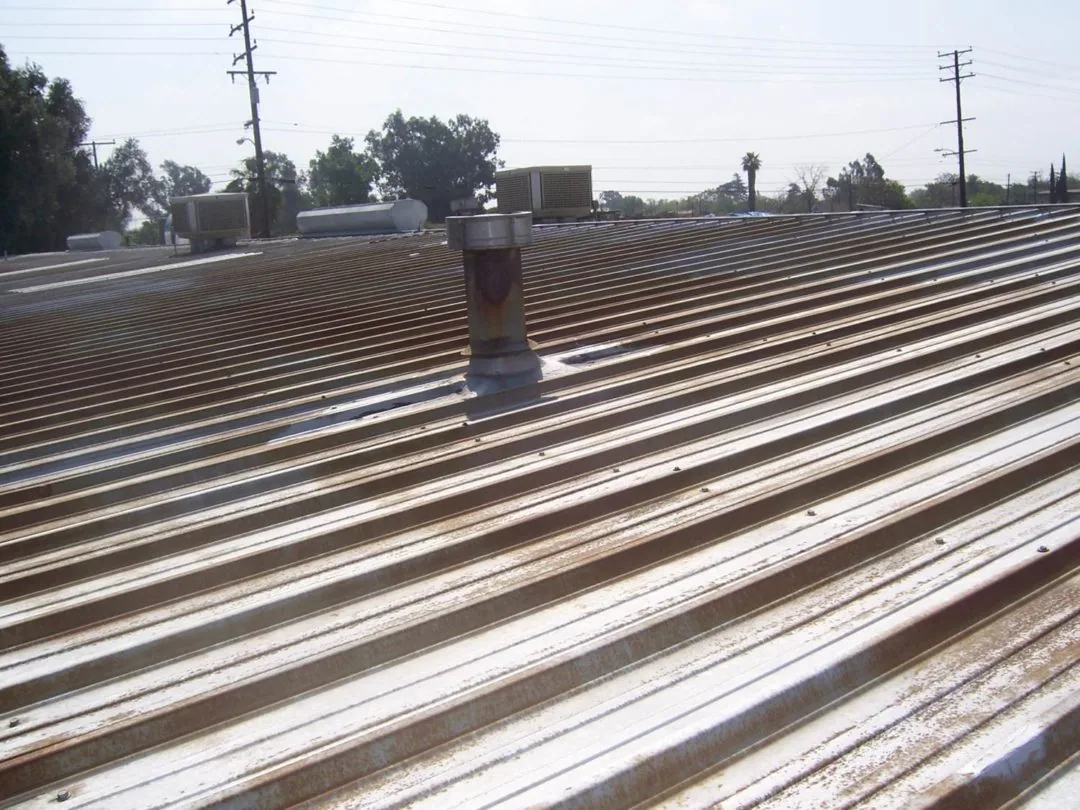
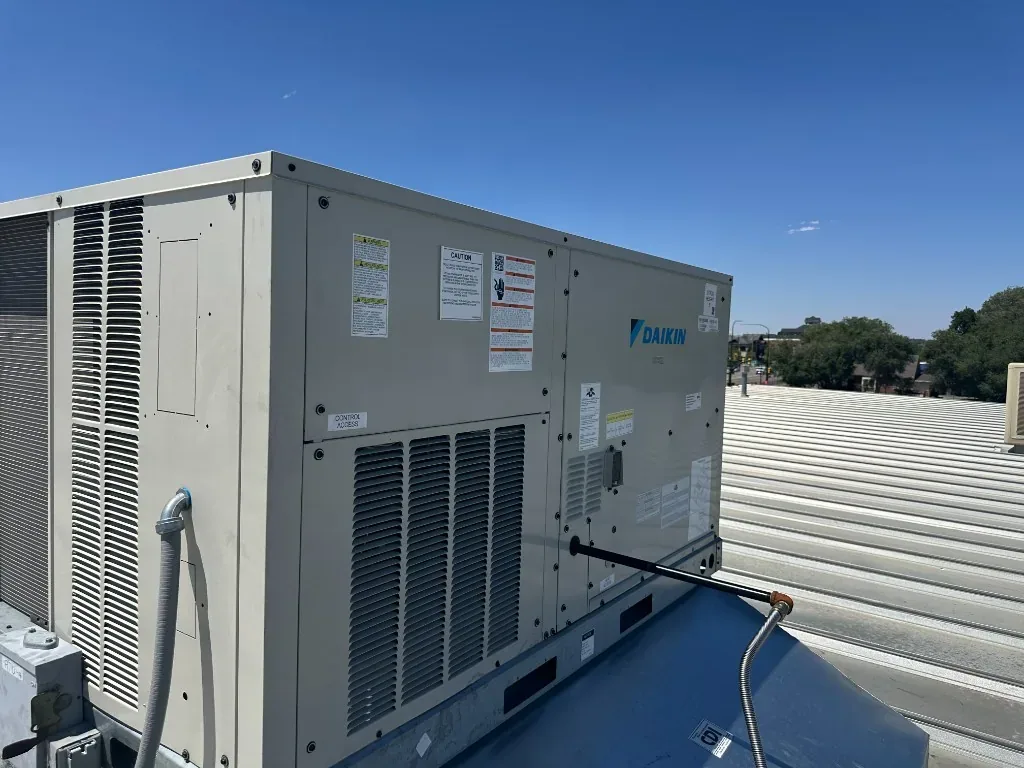
Penetrations and equipment. Cooling plants, generators, fans, conduit and cable trays pass through or sit on the roof, and each one has a curb, a boot or a support that can leak. Roofs on these buildings can carry more equipment per square foot than other types, so the number of flashing details is high. A failed detail over a cooling plant may not drip into the white space, but a leak into a mechanical room or an electrical room is just as serious.
The intake record numbers each penetration and support on the plan, photographs it and notes the room beneath it. That mapping tells the operator which defects are over critical space and which are over support space, and it sets the order of repair. Cable and conduit entries get a separate check, because a pitch pan or sealed sleeve that has dried out admits water along the cable run, and the leak appears in a room that has nothing to do with the roof section above it.
What approvals come before the crew steps on the roof?
Change control, security clearance and escort procedures. Operators typically require a written method of procedure for any work that could affect the building, background checks or badging for the people on site, and an escort for the entire visit. We collect those requirements first and write the method of procedure for each step, including the make-safe step, so approval is ready before an emergency.
The record names the person who approves work, the person who escorts the crew and the person who confirms the area below is protected. It also states hold points: tear-off does not begin without confirmation that interior protection is in place, and the section is not left open overnight. Hot work is rarely approved, so torch-free methods are the default. A rollback step is part of every plan: if conditions change mid-shift, the section is closed and sealed to a defined state, and the escort confirms it before the crew leaves the roof.
How is the roof surveyed without risking the interior?
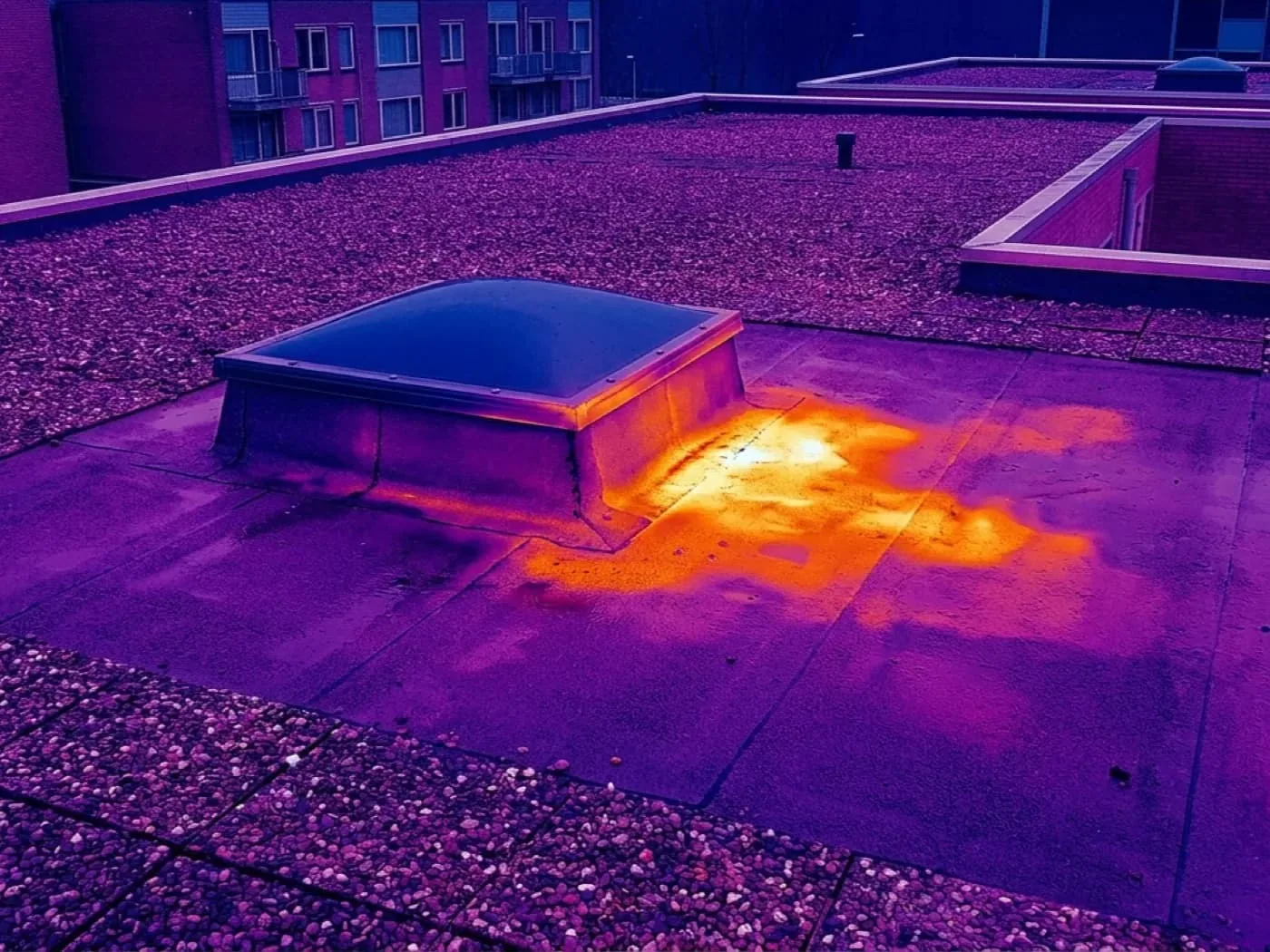
From the outside, in daylight and on an approved schedule. A drone roof inspection documents the surface without foot traffic, an infrared moisture survey maps suspect areas and core cuts, if approved, are patched the same day. The operator's engineer receives a roof plan with numbered findings and a ranking by the room beneath each.
Where cores are not permitted, non-destructive methods and the interior record fill in. Ceiling readings, leak history and past repair records all go on the plan, so the survey does not depend on one method. Findings are ranked by the room beneath, which means the operator reads the ranking as a risk register and not as a list of roofing defects.
How does the roof stand up to Central Texas weather?
The National Weather Service rated the May 22, 2024 storm in Temple EF-2, with peak winds near 120 mph, and the same evening a weaker EF-1 tornado formed near Little River-Academy. Critical buildings plan for the wind, because a roof that loses its edge exposes everything beneath it. The survey checks edge metal, coping, equipment tie-downs and the membrane's attachment at corners.
Heat is the everyday load. Summer in Temple peaks near 95F in August and clears 90F on about eighty days a year, which raises the demand on rooftop cooling plants and the temperature of the roof under them. Reflective surfaces and shaded equipment platforms help, and the scope compares the options. A wind damage roof repair is scoped from dated photographs and the pre-storm baseline. Equipment tie-downs and rooftop screens are checked as part of the baseline, since a displaced screen or a loose cable tray can become a missile in the same wind that lifts an edge.
How is a replacement phased over live space?
In small sections, each fully closed before the next. The plan lists crane picks, materials hoists, laydown, tear-off, deck check, insulation, membrane and flashing for each section, with a temporary seal at every open edge and a water-detection check below before the crew leaves. Equipment that sits on the roof is moved only with the operator's engineer present, and utility shutdowns stay with the operator.
Where the building's equipment cannot be shut down, curbs are re-flashed in place with the unit running. Rooftop equipment curbs and supports get their own line in the scope, since a failed curb flashing over a mechanical room is a recurring leak source. Water detection at the ceiling or the floor below, if the operator has it, is watched during any open period, and the crew agrees in advance on what happens when an alarm sounds.
What does a holding repair look like?
A re-sealed boot, a new curb flashing, a patch on a punctured membrane or a temporary cover over a failed detail. Each is approved in advance under the method of procedure, photographed and dated. The record gives the repair's expected life and the event that would cut it short, so the operator can schedule the permanent work in an approved maintenance window. The operator's engineer also receives a short list of items that the roof cannot fix, such as condensate from a cooling unit dripping onto a roof drain or a rooftop cable tray that sits in standing water, so the right team acts on each.
How are critical roofs ranked?
By the room beneath, then by condition. A leak over a mechanical room or electrical room ranks above a worse roof over storage. An operator with buildings in different parts of Temple, such as the Airport Park at Central Pointe or the Temple Medical and Education District, would see them in one ranking, beside a hospital roof or an office building roof. The report ends with the next decision and its date, and each line carries a photograph, a plan number and the name of the room beneath it, so an auditor can follow a finding from the roof to the space it protects.
Commercial Roofing Questions
Can a data center roof be repaired without a maintenance window?
Emergency make-safe work can proceed under a pre-approved method of procedure. Permanent work is scheduled in an approved window, and no section is left open.
Why are cores sometimes not allowed?
Because a cut in the roof is a risk to the interior. When cores are not approved, drone imagery, infrared scanning, interior records and non-destructive tests provide the evidence.
What is a method of procedure?
A written step-by-step plan for the work that names the approvers, the escort, the hold points and the rollback. It is approved before the crew arrives.
How are rooftop cooling plants handled during a re-roof?
They are kept running where possible, with curbs re-flashed in place. If a shutdown is needed, the operator controls it and the roofing crew waits for its release.
What does the written record cover?
The roof plan, numbered defects with photographs, approvals, the escort log and the repair list ranked by the room below. It supports audits and insurance reviews.