Bruceville-Eddy
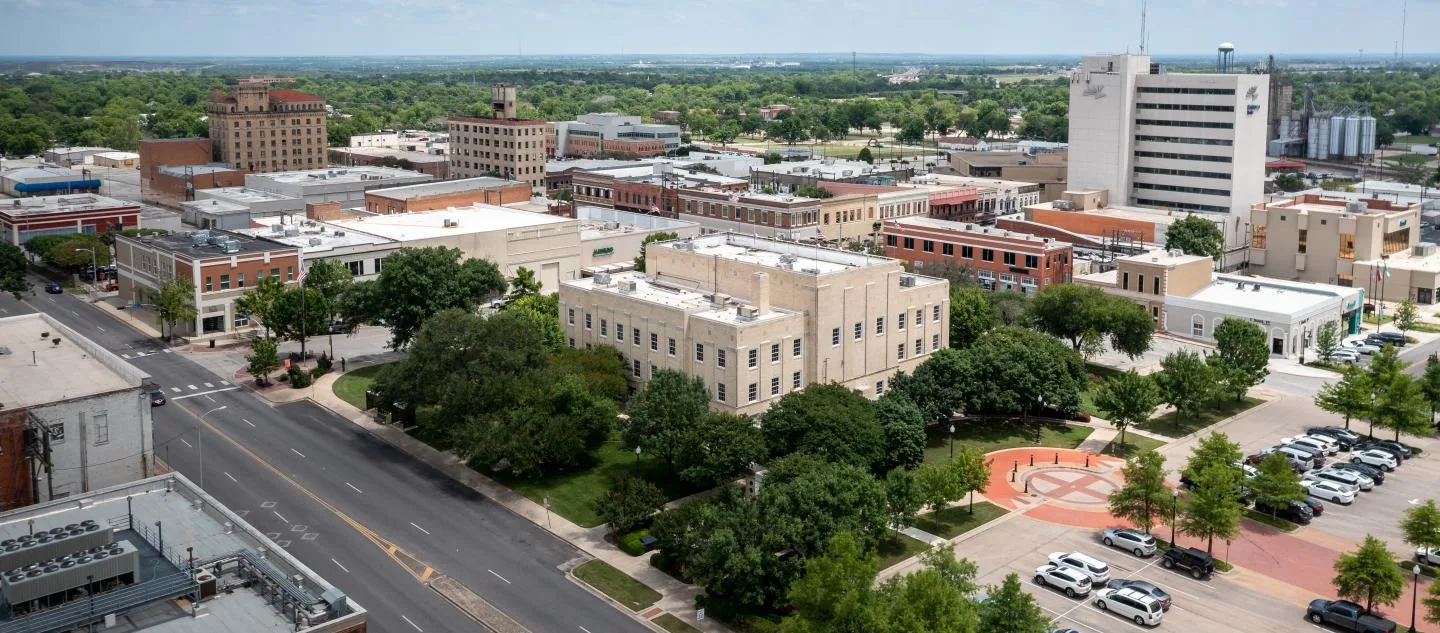
Interstate 35 runs through Bruceville-Eddy, TX, which had 1,413 residents in 2020 and sits about 16 miles north of Temple and 18 miles south of Waco. State Highway 7 leads east from I-35 Exit 315 toward Marlin. A town on a freeway between two larger cities can have a particular kind of roof exposure: buildings that face constant traffic, owners who may live elsewhere, and a first call that comes from a passing driver or a tenant. The first hour on any of those roofs is about who has the authority to say yes to a make-safe.
What fails first on a highway-frontage roof?
Edges, flashings, and anything the wind can reach. A building on a freeway frontage tends to be exposed on several sides, with little to break the wind. Edge metal and coping take the first load. Rooftop equipment covers and signage supports catch the next. Drains and scuppers carry water off the roof into a lot that may not have been designed for it.
The walk goes section by section: edges photographed, sealants probed, drains counted, a sample of fasteners pulled for pull-out. Heat is the background load, with Temple, 16 miles south, normally reaching about 95F in August and passing 90F on roughly 80 days a year. Penetrations and patches are plotted on a sketch that also records which side of the building takes the prevailing weather, so a return visit starts from a known state.
Signage and rooftop screens deserve a mention on a highway frontage. A sign support or a screen wall bolted through the roof is a penetration with a lever arm on it, because wind pushes on the sign and the sign pushes on the flashing. We check the base for movement, look for torn sealant around the bolts, and flag any support that rocks under hand pressure, so the repair covers both the flashing and the fastening.
Who authorizes the make-safe when the owner is elsewhere?
The intake call settles that first. For an absentee owner, the property manager or the tenant is often the person on the phone, and we ask who can approve a temporary dry-in. Once authorized, the crew works from the roof, installs a sealed patch or temporary dry-in over the opening, and photographs it before covering. The record notes the area beneath, the materials, and the time.
A holding repair is tagged temporary, with its date and a one-line statement of what it covers. The intake record reaches the owner the same day, so the permanent decision is made with the photographs in hand. Emergency stabilization and the permanent scope stay separate in the file, which protects an owner who is far from the building from approving a large job on the strength of one phone call.
How do we find hidden damage from a distance?
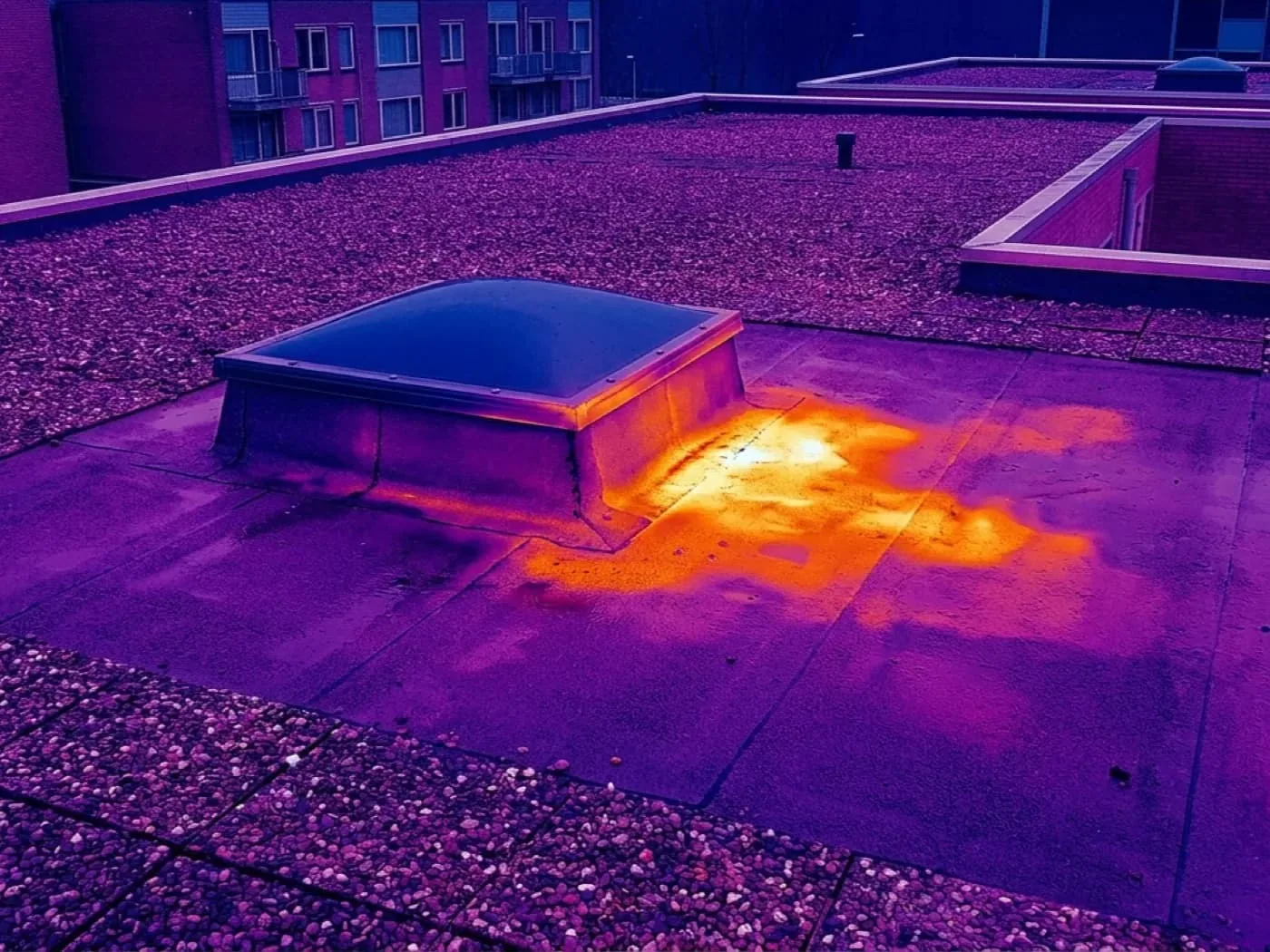
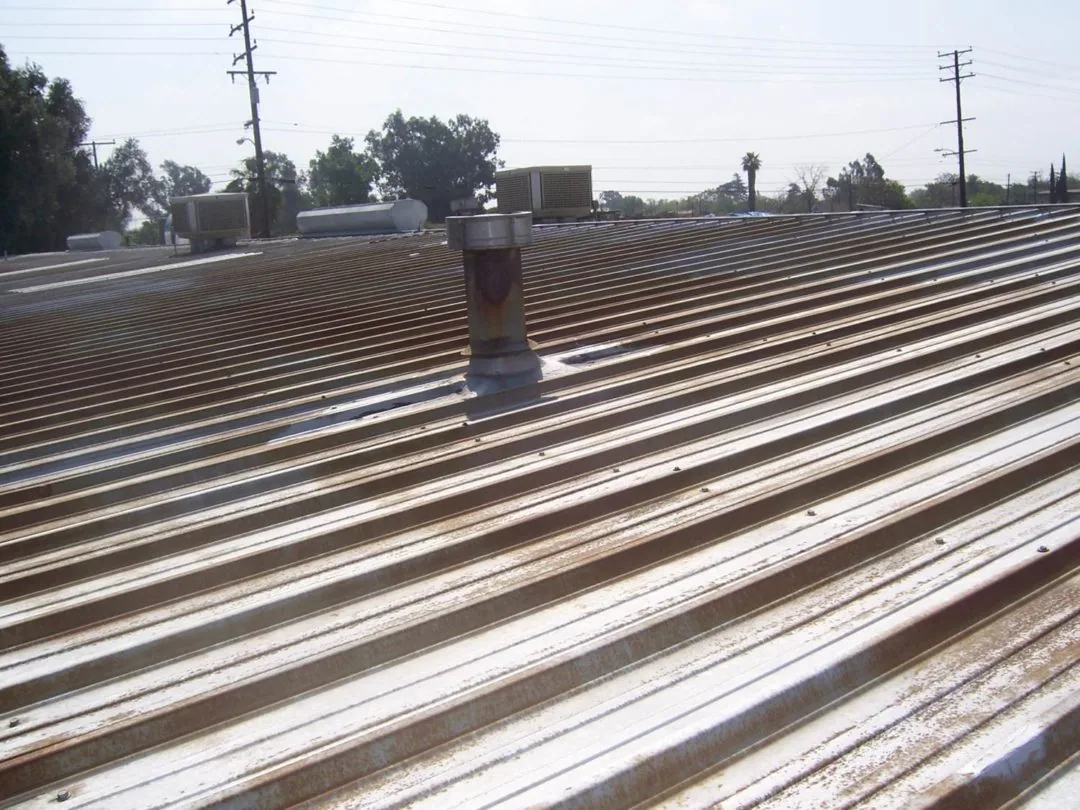
The survey does the looking. An infrared moisture survey on a clear evening reads the surface of a low-slope roof, and core cuts confirm the findings. On a metal roof, a walk along the seams with a moisture meter, plus a look at the underside, locates leaking fasteners and laps. The result is a dated map or log with photographs, delivered to the owner by email, with a short call to walk through anything unclear. The owner does not need to be on the roof to understand what it shows, and the same file can go to a tenant or a lender without edits.
A later survey after a repair or a storm shows whether anything changed. That comparison lets a remote owner make decisions without visiting, and it gives a lender or a buyer a record of the roof's condition. A small wet patch is cut out and rebuilt, while moisture over a wide area argues for a larger scope.
How does the I-35 corridor shape roof planning?
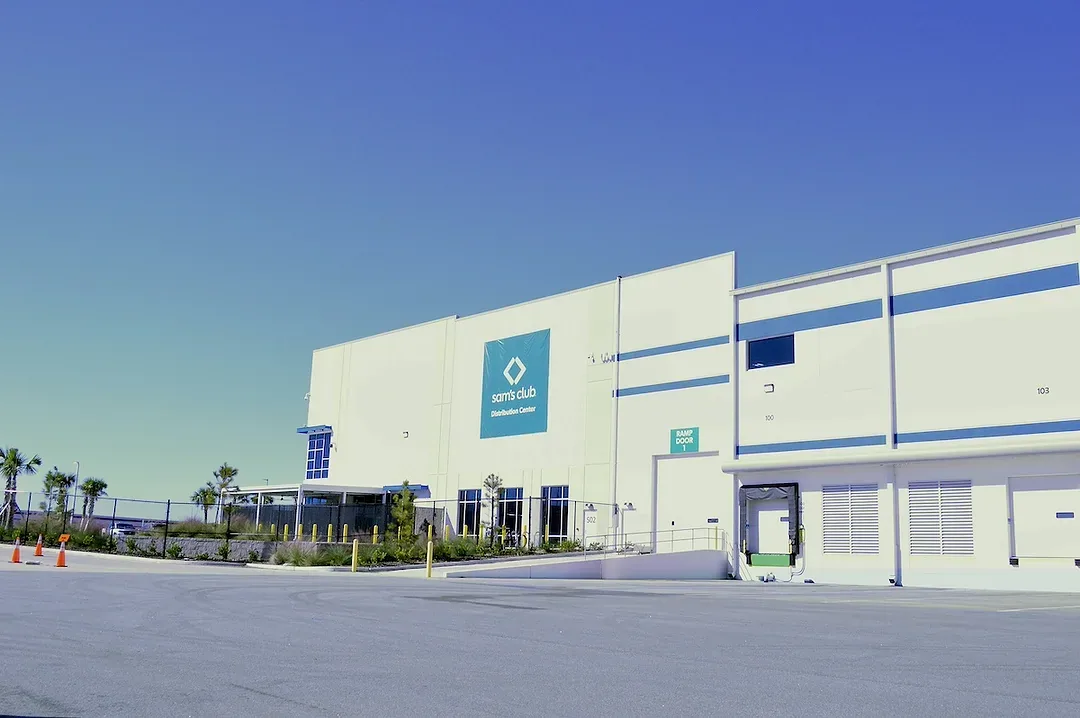
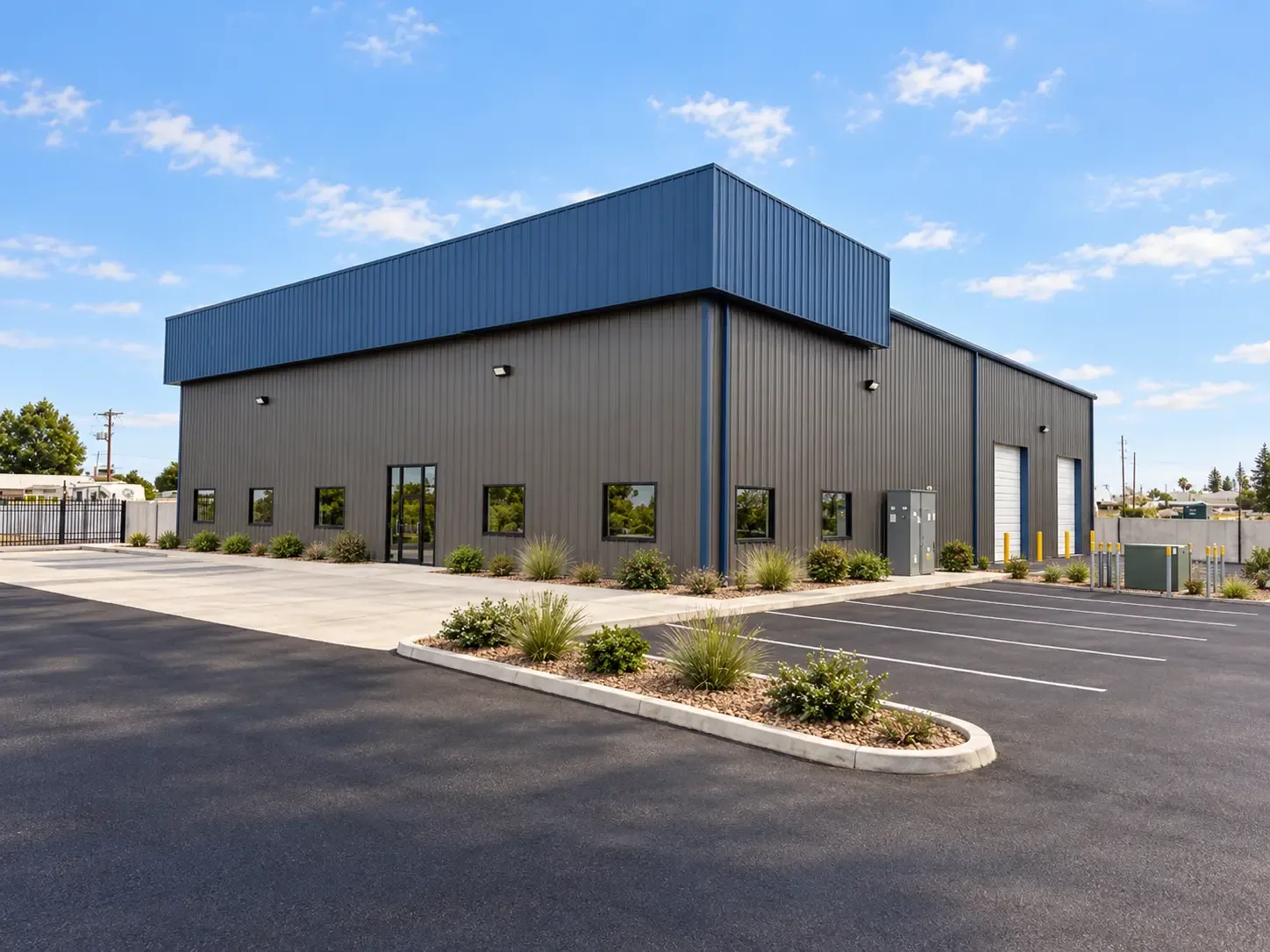
Interstate 35 runs through Bruceville-Eddy and links it to Temple to the south and to the Waco area to the north. Commercial buildings along a route like that can range from small shops to larger storage and distribution buildings. A distribution-style building, in the pattern of distribution center roofing, has large roof areas and few drains. A storage building reads like warehouse roofing.
The first call tells us the use of a given building, and the walk follows it. The rating sheet is the same for every building, so an owner with properties in Bruceville-Eddy and Lorena can compare them directly. Permit rules depend on the jurisdiction, and the local permit office confirms the building code edition in force.
What does the 2024 tornado record mean for I-35 roofs?
An EF-2 tornado struck Temple on May 22, 2024, at peak winds near 120 mph, damaging restaurants, shops, banks, and strip malls, and straight-line gusts of 80 to 90 mph were estimated over that city. The same night, a lesser EF-1 tornado touched down near Little River-Academy. All of it lies south of Bruceville-Eddy, so for an inspector it is regional context for reading a roof along I-35, not a record of damage here.
The context supports an edge and equipment review before storm season. Coping, fascia, trim, and the membrane edge are tested for loose fasteners, and rooftop unit covers are checked for latches and straps. After a storm, the earlier photographs show what moved, and a tornado-damaged roof is recorded edge by edge.
What does the permanent scope include?
The readings decide. A roof with dry insulation and a sound membrane or panels is a repair or coating candidate. A roof with limited wet areas can be patched and watched. A roof with widespread moisture or repeated failures is a replacement or recover candidate, and the report lists the measurements behind it.
The scope names the cost drivers: how much roof there is, how many penetrations, how much wet insulation has to come out, how the crew gets up, and what hours the building allows. An owner who manages several buildings can use a roof asset management record to rank them, and the ranking is the budget tool. Emergency calls are answered at any hour, holidays included. The first visit is a dry-in with a photographic record, and the call-back window for rechecking it after the next rain is agreed before the crew leaves the site.
Commercial Roofing Questions
Who can approve a make-safe if the owner is out of town?
Whoever the owner has authorized, usually the property manager or the tenant. We ask on the first call and record the approval. The intake record goes to the owner the same day with photographs, so the permanent decision is made with the facts in hand.
Can a roof be assessed without the owner visiting?
Yes. The survey happens on the roof, and the owner receives a written summary, photographs and a moisture map by email. The owner reviews the file and decides, and a later survey shows whether a repair held.
What does a holding repair do?
One opening, nothing beyond it. The file lists the area, the materials, and the date, and states what the repair leaves open. Permanent work is priced as a separate decision.
Why do highway-frontage buildings need an edge review?
They are exposed on several sides and see wind from open ground. Edge metal and coping take the first load, so loose fasteners show up there first. A pull test on a sample of fasteners shows how much grip remains.
How is a visit to Bruceville-Eddy planned?
Bruceville-Eddy is about 16 miles north of Temple on I-35 and 18 miles south of Waco, so scheduled visits are set with the owner. Emergency calls are taken at all hours, and the first visit is a dry-in with photographs.