Downtown Killeen
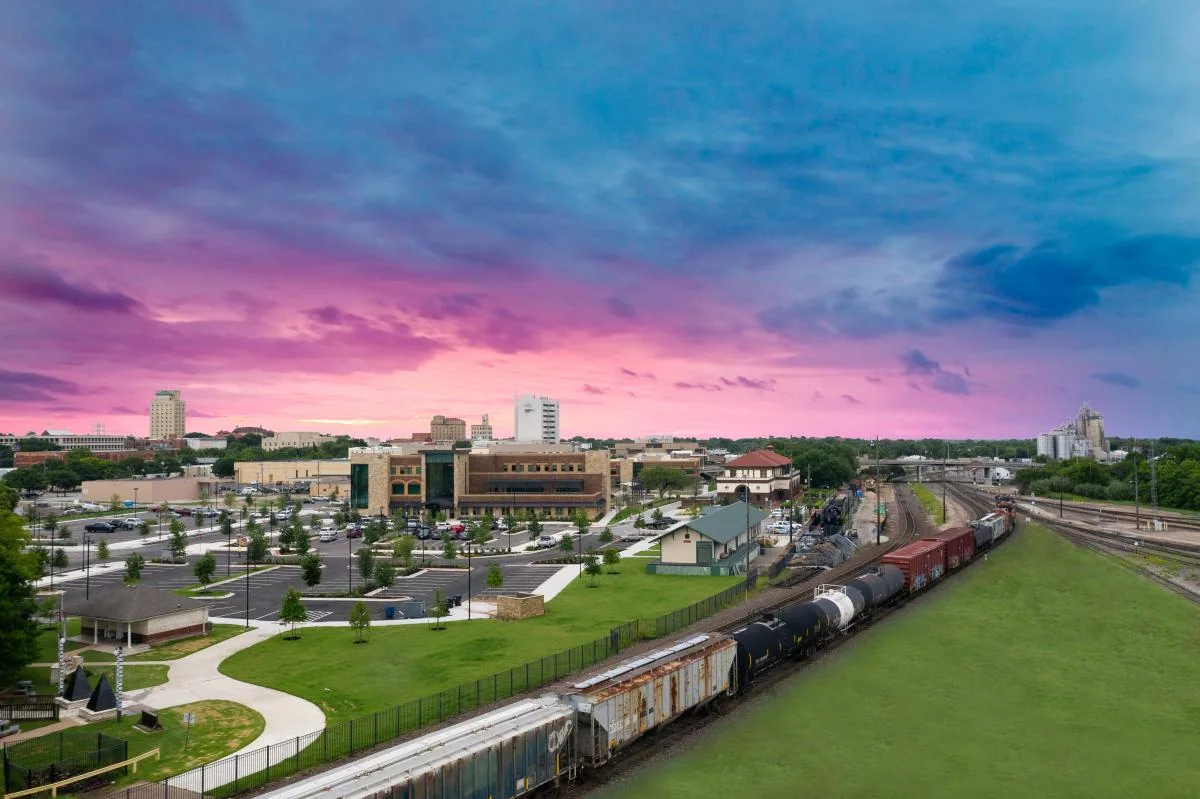
Historic Downtown Killeen is on the National Register of Historic Places for its architectural significance, and it sits between Rancier Avenue (FM 439) on the north and Veterans Memorial Boulevard (Business 190) on the south. Owners of vacant structures in the Historic Overlay District must register them under a 2020 ordinance. Those facts frame a roof question that is particular to older downtowns: a building may be occupied or empty, it may have an old roof under a newer one, and in either case someone has to decide who looks at it and how often.
What fails first on a historic downtown roof?
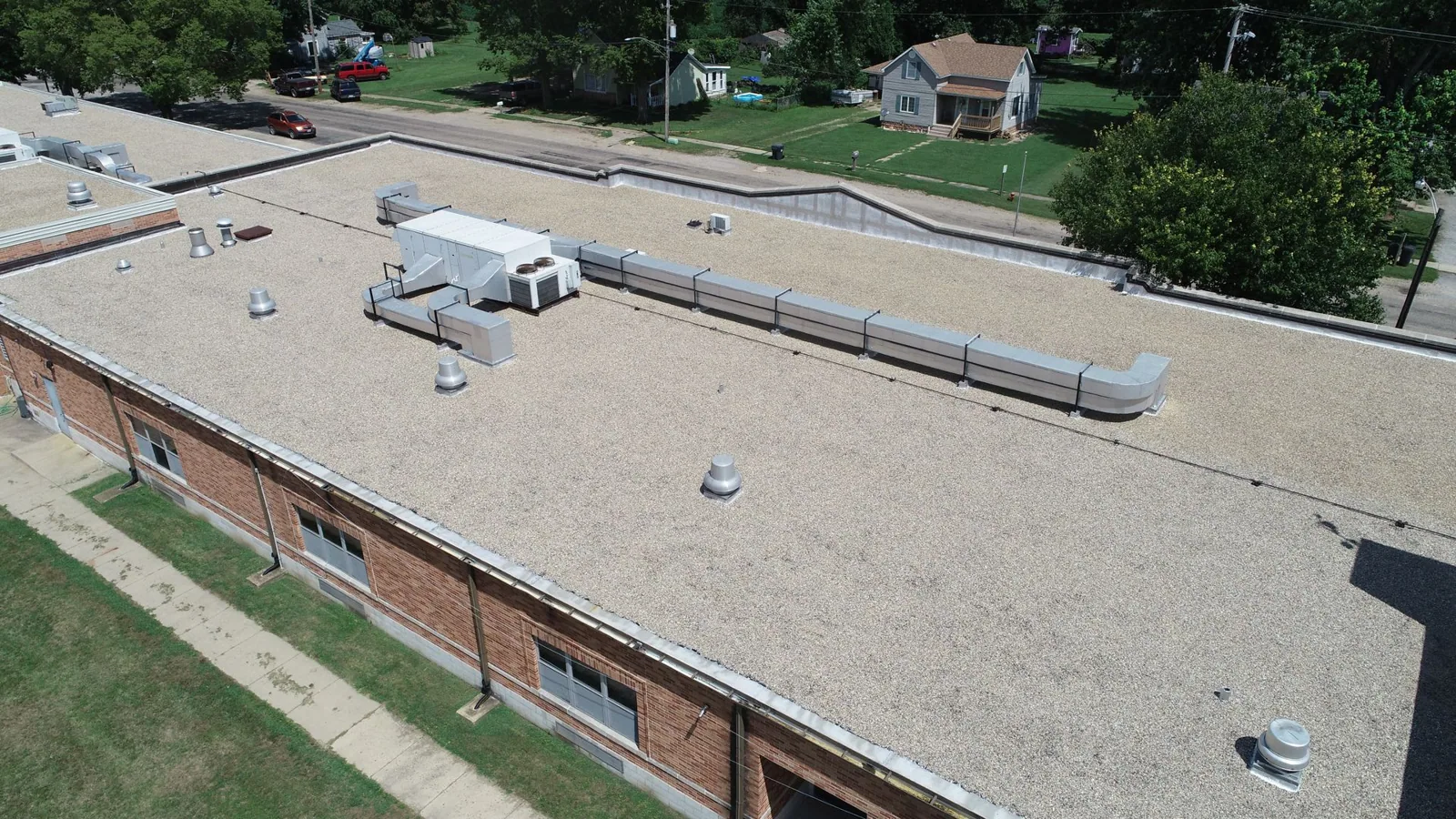
Parapets, flashings, and drains. A downtown commercial building often has a flat or low-slope roof behind a parapet wall, with a scupper or an interior drain to carry water out. Mortar joints at the parapet crack, caps loosen, and the flashing that ties the roof to the wall opens. A drain that silts up leaves the roof holding water against walls that were never designed to be wet.
Each section is walked as its own roof, with the neighbors in mind, because downtown buildings often share walls and drainage. Parapet caps and mortar get photographed, flashings probed, drains counted, and the tops of interior walls checked for stains. Heat wears sealants and membranes from May onward, and Temple's normals of about 95F in August and some 80 days past 90F set the regional baseline. A sketch marks every wall, drain and patch.
Interior drains on older buildings deserve their own pass. The piping may run inside walls, and a drain that has failed below the roof shows up as a stain on a wall far from the roof edge. We test each drain with water, watch how fast it clears, and note any leak at the bowl or the first joint. Where a drain is cracked or the line is blocked, the plumbing trade is called with a photograph, and the roofing scope waits on that repair so the new roof does not drain into a broken line.
What is the make-safe step on an older downtown building?
First the crew checks whether the structure can be worked on safely. A temporary dry-in or sealed patch then stops the water, and the owner or tenant deals with the interior. The opening is photographed before it is covered, and the area below and the materials are logged. On a vacant building the dry-in matters even more, because water can run for weeks with no one to notice.
A holding repair carries its date and a note of what it leaves open, and the permanent scope waits for the survey. In a historic district, materials, appearance, and approvals may shape the options, and the scope names them. Emergency calls are taken at any hour, holidays included.
How do we find hidden damage under an old roof?
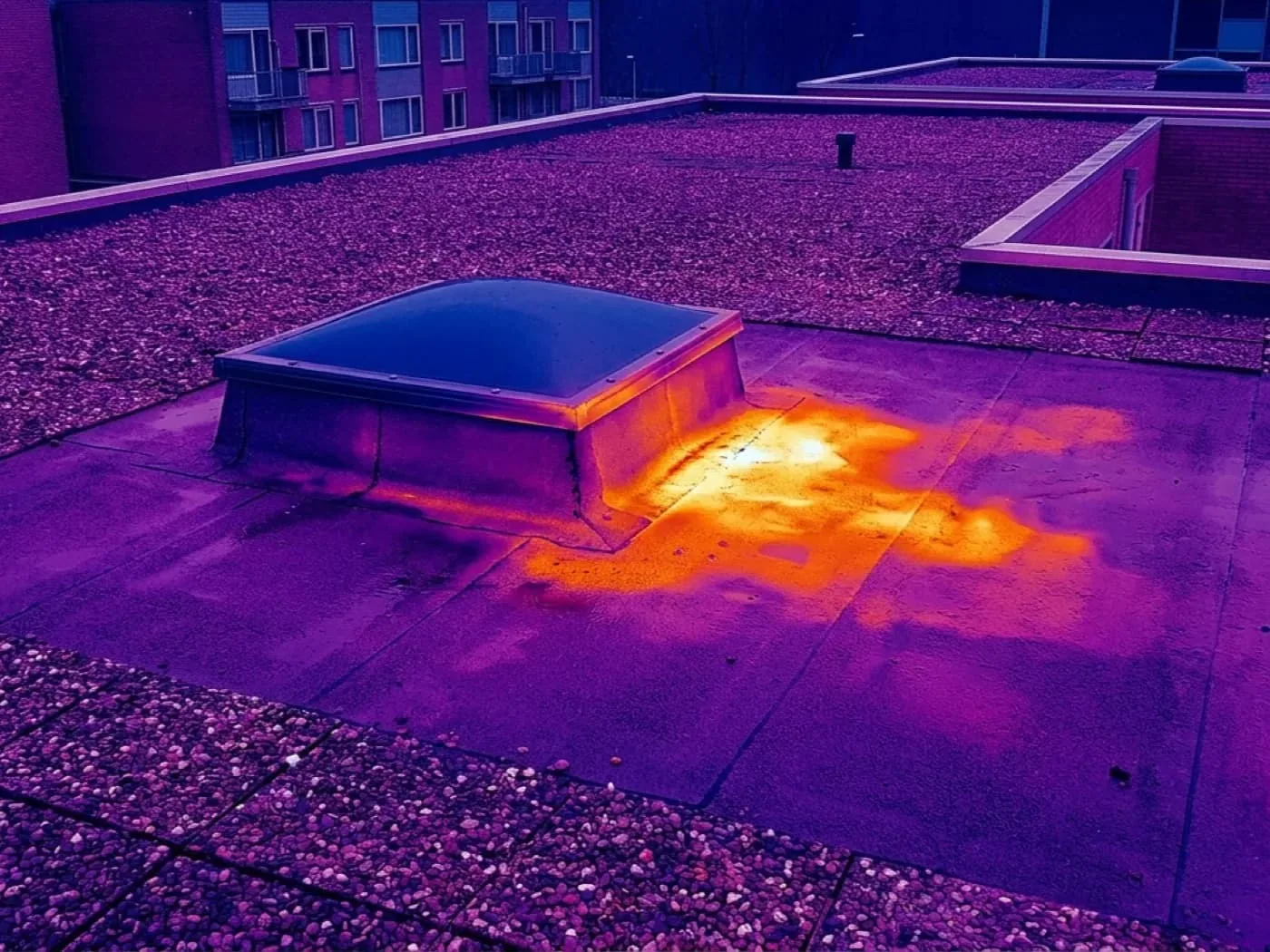
Old roofs are often layered. An infrared moisture survey on a clear evening reads the surface, and core cuts show how many layers lie on the deck, what each is, and whether the insulation or sheathing is wet. Parapet masonry is probed for loose mortar and open joints. The map and the core log are dated and filed with the building address.
A later survey shows whether a repair held. For a building that has been empty, the survey also checks the deck and framing from below where access allows, since long-term leaks damage structure before they show on the outside. Small wet areas are cut out and replaced with material matched to the surrounding thickness, and the cut is sealed the same day so the survey does not create the leak it was looking for. Widespread moisture points toward a larger scope, and the readings explain why.
What does a vacant-building roof need?
A vacant building still has a roof that has to shed water. Without occupants, no one notices a stain until the ceiling comes down. A scheduled visit before the heat season and another after the storm season, with dated photographs, gives the owner a record and catches problems early. Drains are cleared, loose caps are secured, and openings are sealed.
The owner of a vacant structure in the district has a registration duty under the 2020 ordinance. A roof record does not satisfy that duty by itself, but it shows the building's condition at each visit, which helps when the owner sells, leases, or seeks financing. A flashing failure at a parapet is the most common finding, and the most economical one to fix early.
How does the downtown setting affect planning?
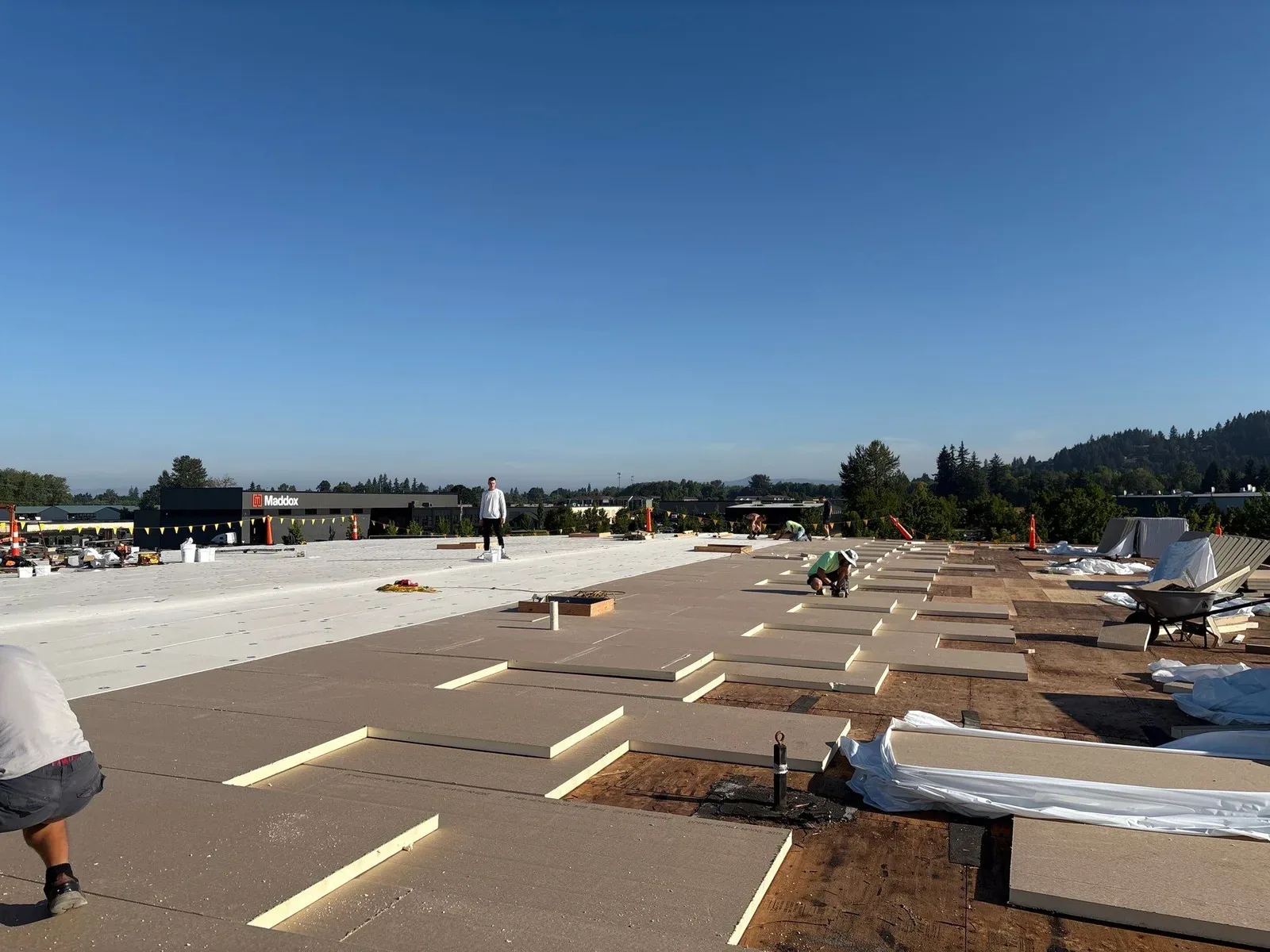
Work downtown has logistics that suburban sites do not: narrow access, shared walls, sidewalks beneath the work, and neighbors close by. The plan names the staging area, the route for materials, and the protection for pedestrians. Lifts and hoists are scheduled for low-traffic hours. The rating sheet is the one used across Killeen and along the US 190 corridor.
For a downtown owner, the same rating sheet applies, and it works for comparing a historic building with a newer one. An older downtown elsewhere, such as downtown Temple, is walked the same way.
What does the 2024 tornado record mean for old parapets?
Temple took an EF-2 tornado on May 22, 2024. Winds peaked near 120 mph, and the buildings hit included restaurants, shops, banks, and strip malls. Elsewhere in that city the weather service put straight-line gusts at 80 to 90 mph, and a lighter EF-1 tornado started near Little River-Academy that night. Downtown Killeen lies well west of all of it, so the storm is regional context for reading an older roof, not a record of damage there.
For an older building the context justifies a parapet and cap check before storm season: mortar, coping, and fastening are probed for movement. A loose cap or a leaning parapet is a safety problem for the sidewalk below, so a parapet that moves under hand pressure is flagged the day it is found, even before the permanent scope is priced. After a storm, photographs from before show what moved. A built-up roof or modified bitumen surface common on older flat roofs gets a seam and blister check.
Commercial Roofing Questions
Who looks at a vacant building's roof?
The owner is responsible, and a scheduled visit with dated photographs gives the owner a record. We clear drains, secure loose caps, seal openings, and report what we find. The visits are short, and the file is useful when the building is sold or leased.
Do historic rules change a roof repair?
They can. Materials, appearance, and approvals may limit options, and the owner should confirm requirements for the district. The scope prices a like-for-like repair beside a modern substitute, so the owner sees the cost of each.
What is a holding repair on an old downtown roof?
A bridge that keeps one opening closed while the permanent scope is priced. The file gives the area, the materials and the date, and it lists what the bridge does not cover.
How are parapets checked?
We probe mortar joints, test caps for movement, and look at the flashing where the roof meets the wall. Findings are marked on the sketch with photographs, and loose caps are secured or removed for safety.
Can a downtown roof be repaired without closing the street?
Usually. Staging, lifts, and material routes are drawn to keep the sidewalk and traffic lane clear, with protection overhead for pedestrians, and loud steps wait for low-traffic hours. The owner signs off on that layout before anyone mobilizes.