US 190 Corridor, Killeen
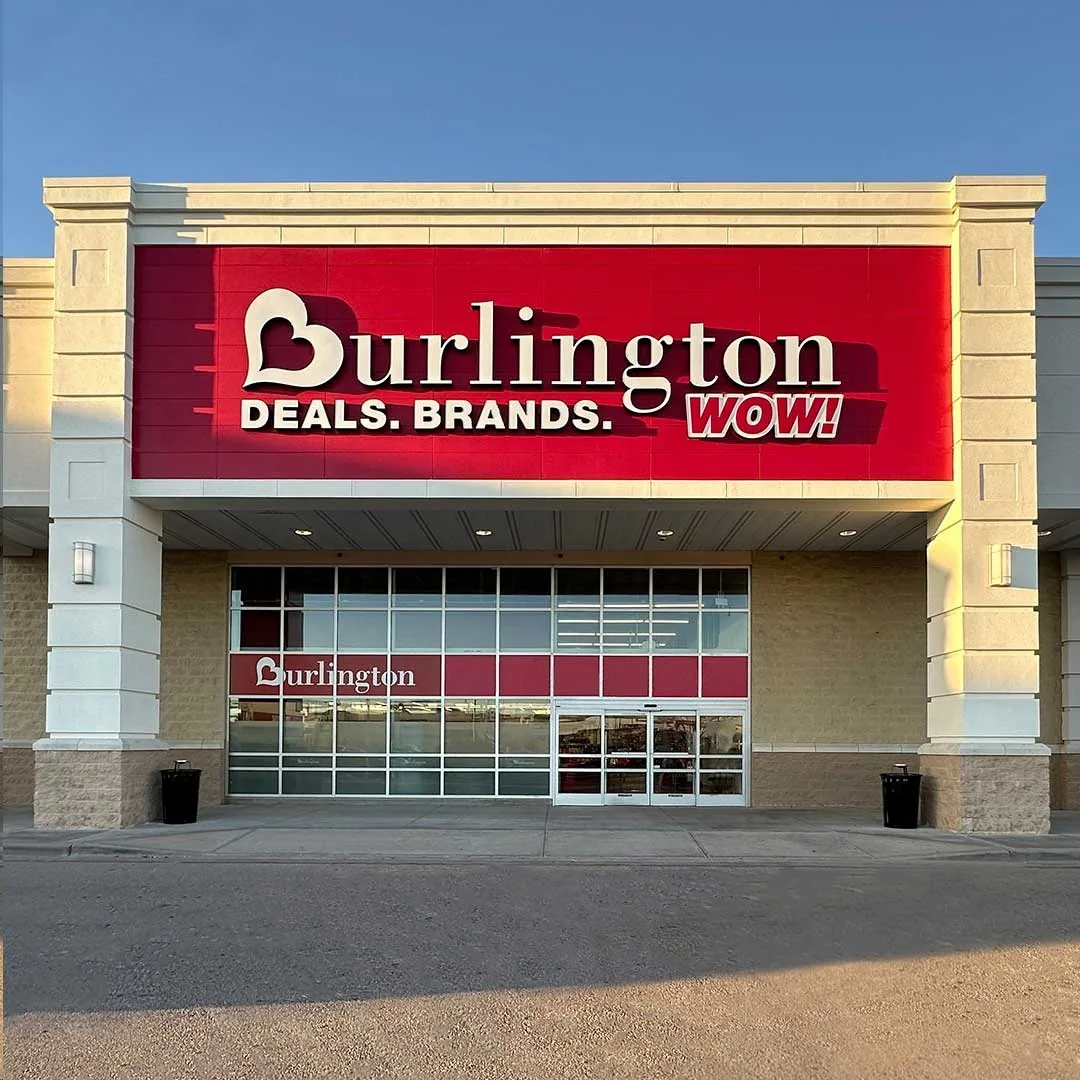
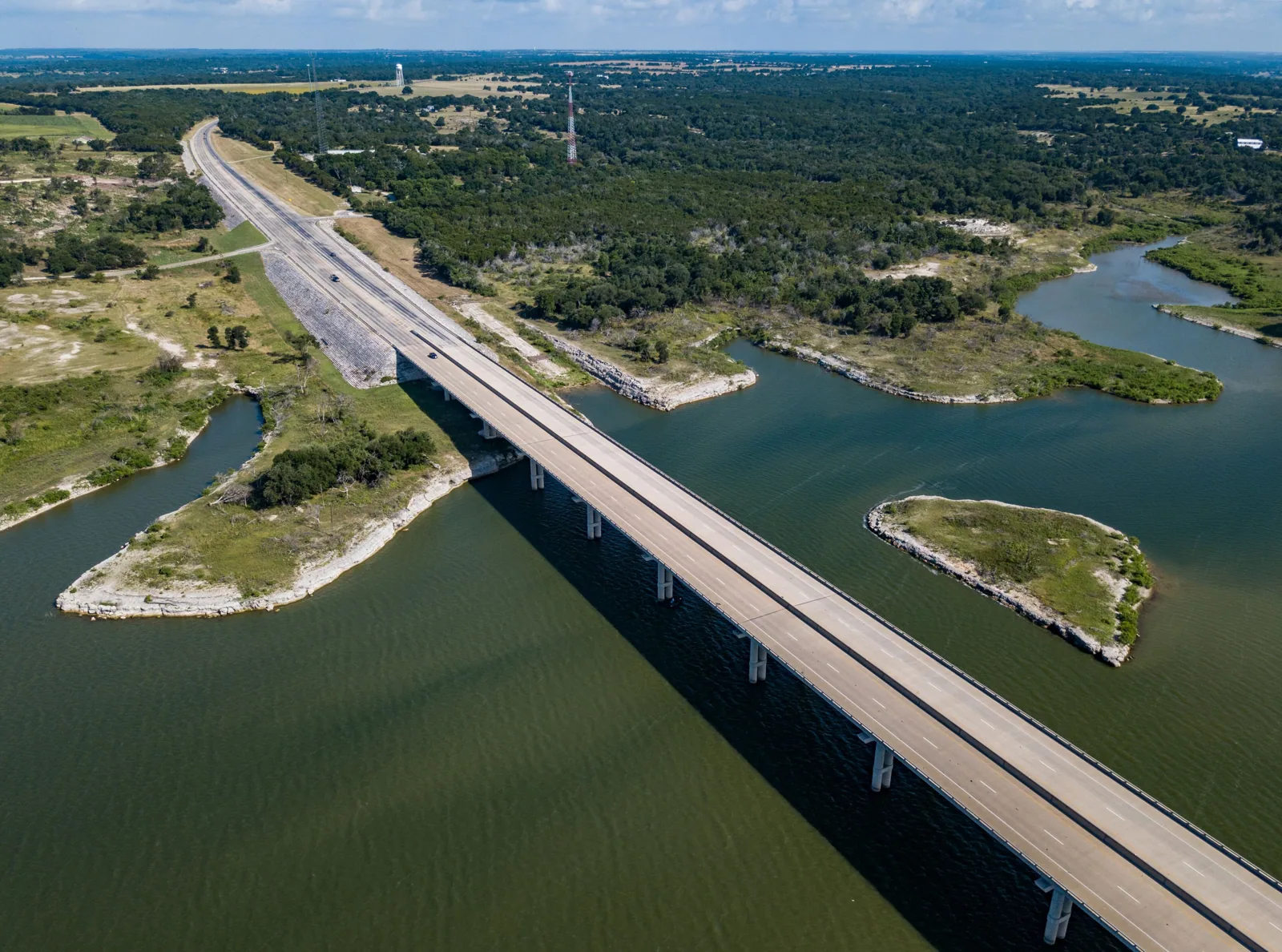
The most significant concentration of commercial development in Killeen runs along Central Texas Expressway (US 190) between Trimmier Road and Stan Schlueter Loop. Commercial development also follows Veterans Memorial Boulevard (Business 190), Stan Schlueter Loop (FM 3470), and Fort Hood Street (SH 195), and the city's thoroughfare plan expects employment growth along US 190, Business 190, and Rancier Avenue (FM 439). A concentration like that means many roofs on a few roads, and an asset manager with several of them needs the same answer to the same question: which one fails next?
What fails first on a roadside commercial roof?
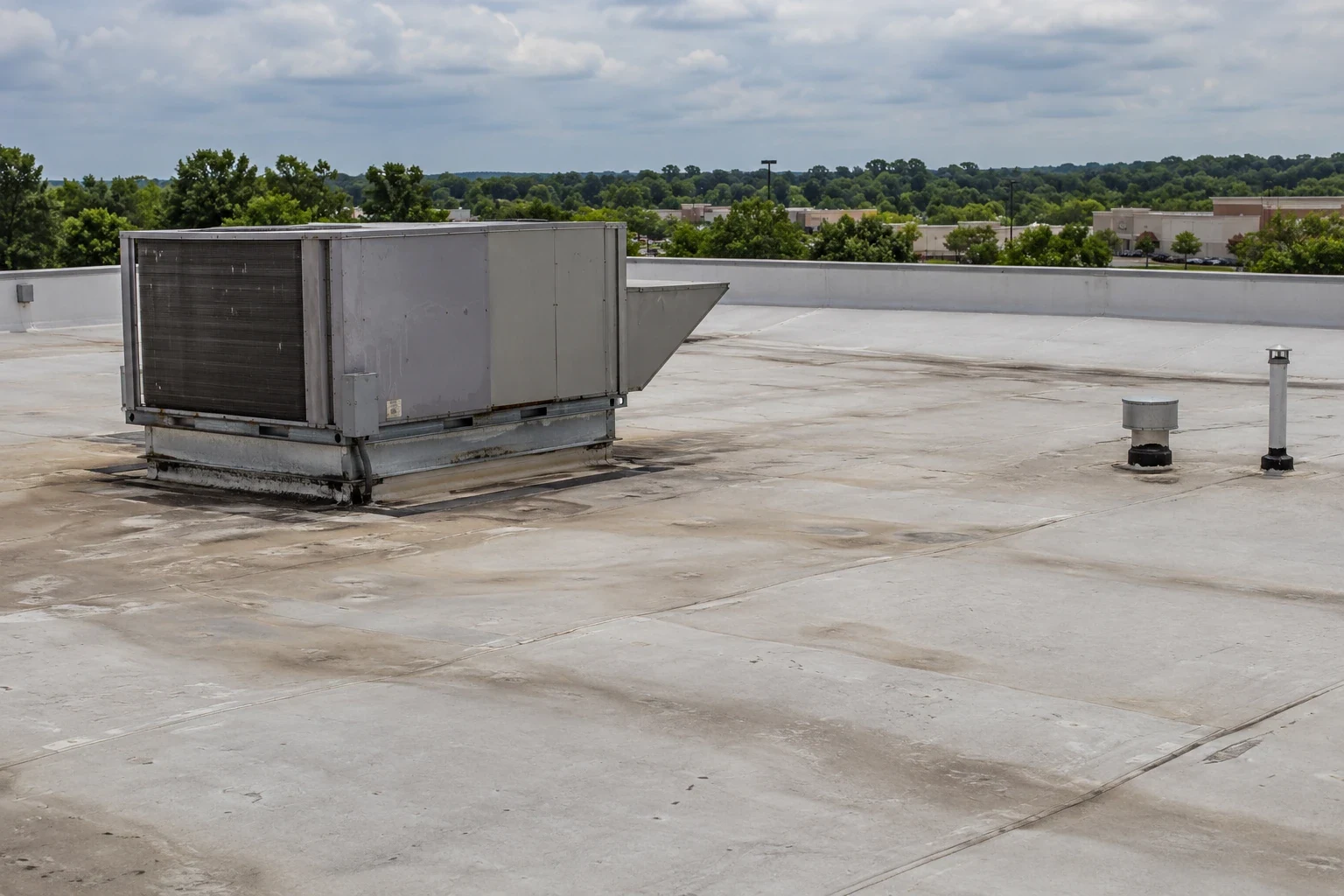
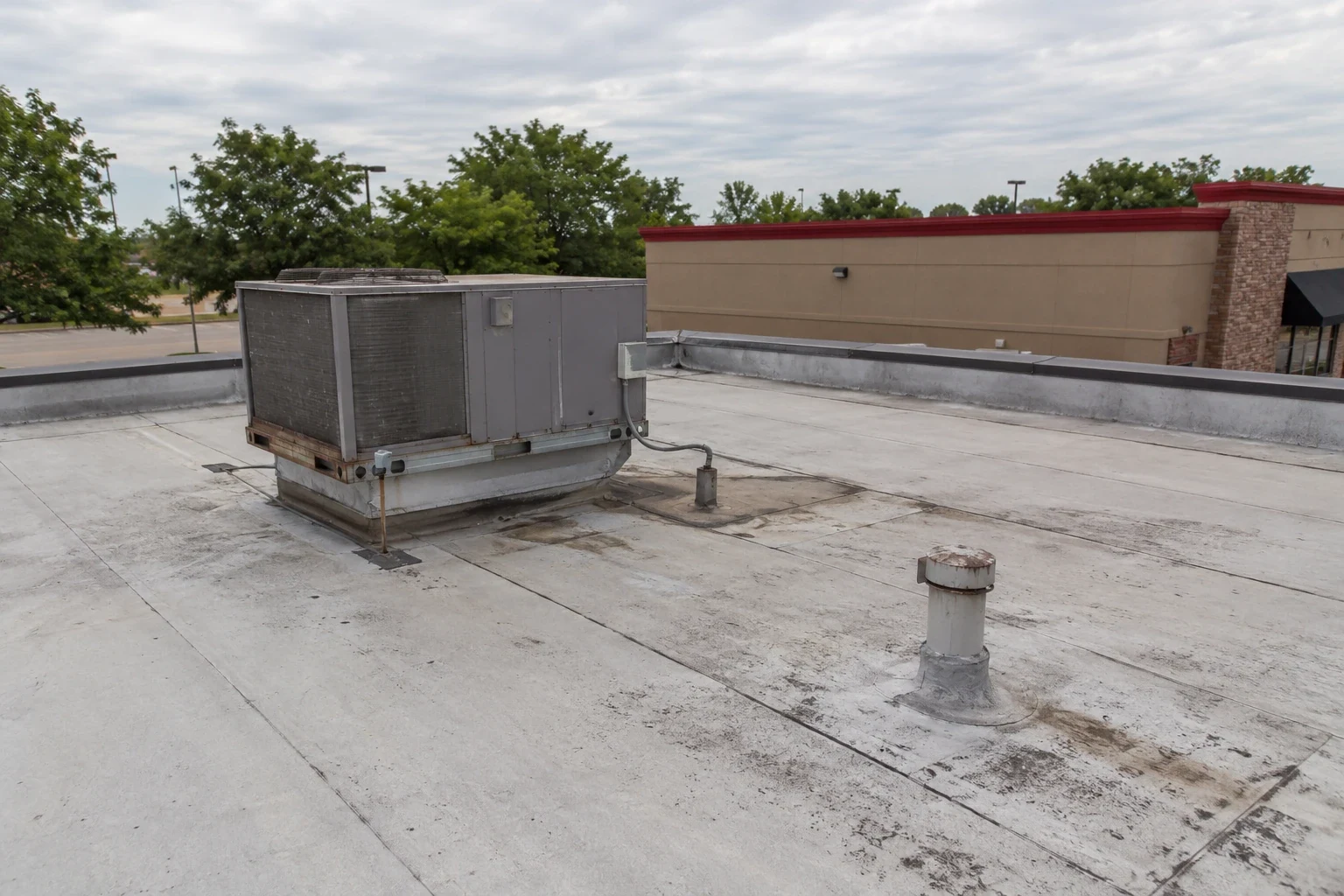
Edges, rooftop equipment connections, and drains. Roadside buildings face open ground on several sides, so edge metal and coping take wind first. Each tenant's rooftop unit brings a curb, a condensate line and conduit through the surface. Drains and scuppers carry water off roofs into lots and curb lines that were not always designed with the roof in mind.
Each roof section is walked separately, with edges and flashings photographed, sealants probed, drains counted and each rooftop unit tied to its tenant. Heat starts wearing sealants in May, and Temple's normals, near 95F in August with some 80 days past 90F, frame the season. Penetrations and patches go on a sketch that becomes the baseline for the next visit and for any later change of tenant or owner.
Frontage along an expressway adds a visibility issue that interior parcels do not have. A gutter hanging loose, a stained parapet, or a rooftop screen leaning in the wind is seen by every driver, and tenants notice what drivers notice. We photograph the street-facing side of each building first and flag cosmetic items that point to a structural cause, such as a stain that follows a hidden flashing failure. Signage supports bolted through the roof get a base check for movement and torn sealant.
What is the make-safe step on a busy commercial strip?
Work happens from the roof and never inside the tenant's space. A temporary dry-in or sealed patch closes the opening while the tenant deals with the interior. The opening is photographed ahead of the cover, and the suite below and the materials are written down. Access is planned for a busy site: the lift position and material staging stay out of customer parking and fire lanes.
Each holding repair is dated, with its limits written next to it, so a patch is never mistaken for the fix. The landlord and the property manager have the intake record the same day, and keeping the emergency step apart from the permanent scope keeps the lease conversation about who pays on firm ground. Calls are taken at any hour.
Which bay is the water really coming from?
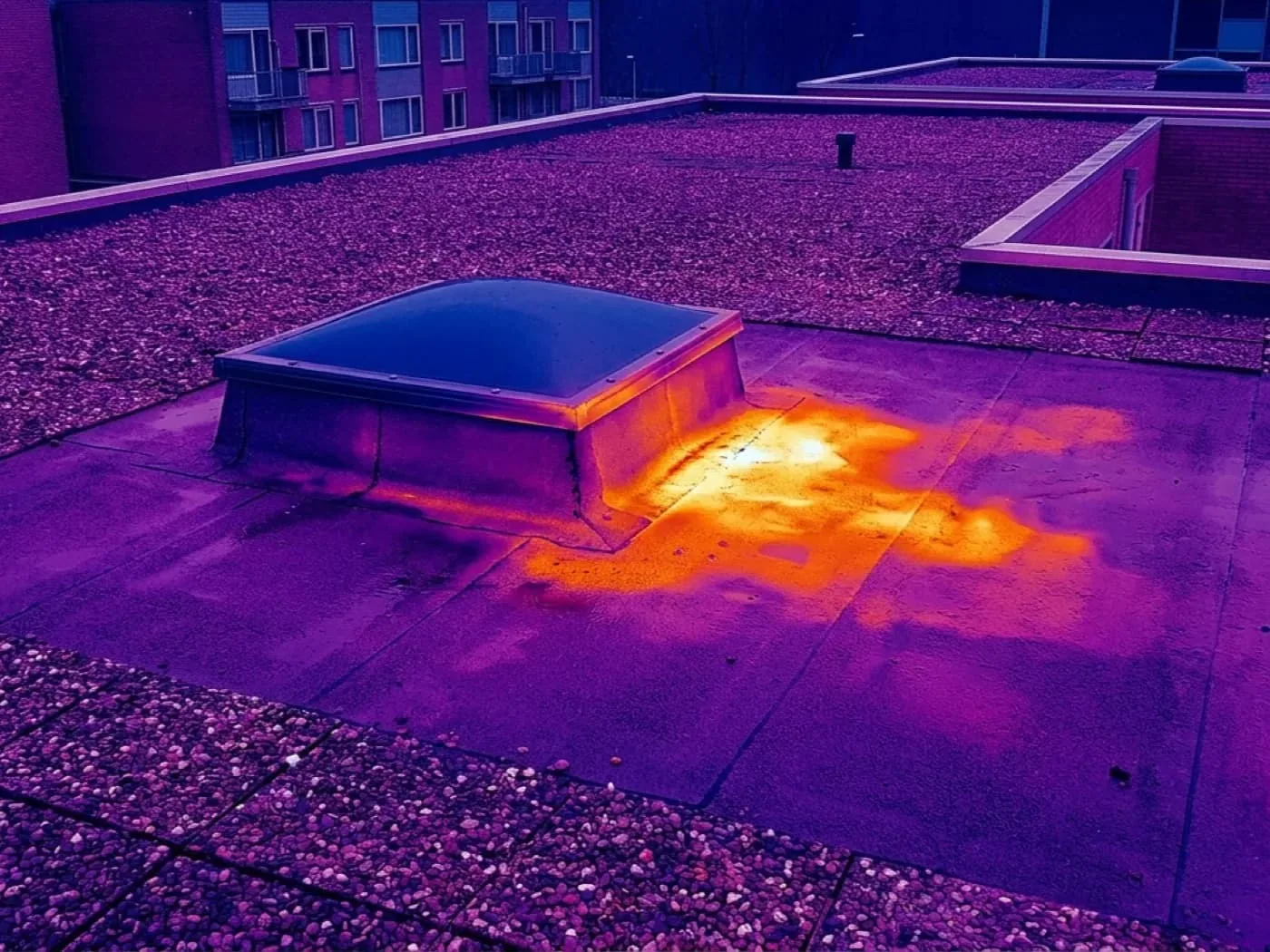
A ceiling stain marks where water exits, not where it entered, because the deck carries it sideways. An infrared moisture survey run on a clear evening shows the warm, damp insulation across the whole roof, and a few core cuts verify what the scan suggests. If the damp area stays inside one tenant's bay, a cut-out and patch can settle it. If it crosses a demising wall, the repair belongs to the roof as a whole.
Each map is dated and tagged with suite numbers, and a repeat survey after the work shows whether the boundary held. Landlords use the pair of maps to answer a tenant who says the leak was never fixed, and tenants use them to see that a repair reached their bay. Both parties read the same photographs. Owners with several properties on the corridor feed the maps into a ranking that sorts buildings into repair now, monitor, and plan for replacement.
Which building types does the corridor put on the list?
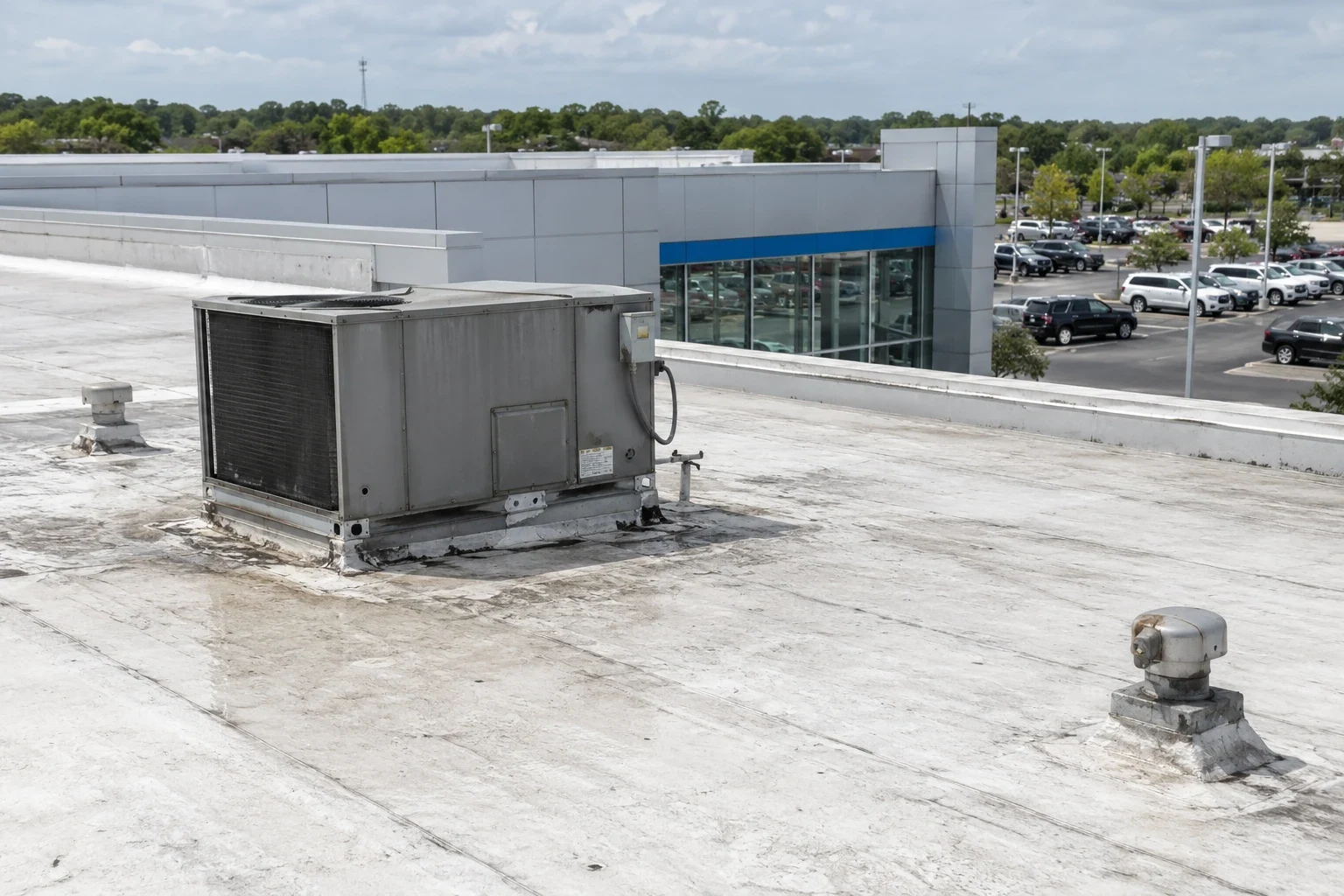
A commercial concentration can include several kinds of roof, and the record adapts to each. A large store follows the logic of big-box retail roofing. A kitchen with exhaust follows restaurant roofing, with attention to grease near the fans. A dealership with a showroom and service bay follows auto dealership roofing, with roof levels, canopies, and drains over finished interiors.
None of those building types is claimed for a specific address. The first call tells us the use, and the walk follows it. Each building is rated on the same scale, so owners of mixed holdings can compare them. A retail chain with locations in Killeen and Harker Heights sees one rating sheet for both.
What does the 2024 tornado record mean for the corridor?
Temple's May 22, 2024 storm produced an EF-2 tornado near 120 mph, with restaurants, shops, banks and strip malls among the damage, and straight-line gusts of 80 to 90 mph were estimated across that city while an EF-1 began near Little River-Academy. Killeen is a separate city from Temple, so the storm is background for reading a roadside roof, not a record of damage on the corridor.
Before the season, parapet caps, coping and membrane edges are tested for loose fasteners and unit covers for latches and straps. After a storm, earlier photographs show what moved, and a wind-damaged roof is secured at the perimeter first.
How does an owner plan across several properties?
Roofs on the corridor are scored for membrane, seams, flashings, drains, penetrations and moisture, and the scores sort them into urgent, watch-list and planned-replacement groups. The photographs travel with the ranking. A multi-site roof program turns the ranking into a schedule, with a spring visit and a fall visit keeping the record current.
The scope names what drives the price: area, penetration count, wet insulation to remove, access, and tenant hours. Permits and the code edition in force are confirmed with the local building office before design is final.
Growth along the expressway, as the city's thoroughfare plan anticipates, is another reason to keep the record current. New tenants bring new rooftop equipment, and new buildings bring new roofs whose early seasons deserve a walk. A file that already holds the last photographs of a curb or a flashing makes the next change easy to check, and any damage caused by a later trade shows up as a difference rather than an argument. That matters on a commercial strip where storefronts are fitted out and turned over, since each fit-out is a chance for a roof to be cut, and a dated photograph of the curb beforehand protects both landlord and tenant.
Commercial Roofing Questions
Who decides if a leak is one tenant's problem or the whole roof's?
The roof owner, usually the landlord, working from the survey. A single cause with dry insulation below usually means a patch; a repeat leak, or wet insulation under several bays, puts the whole roof in play. Findings and a price for each path come from us.
Can a store stay open during roof work?
Usually, in phases: sections open and close within the day, loud steps avoid peak shopping hours, and entrances and fire lanes stay clear. Landlord and affected tenants agree the plan beforehand.
What does a holding repair do?
It closes one opening and goes no further. The record gives the area, the materials and the date, and says plainly what stays open. The permanent scope is priced as its own decision.
How are many roadside roofs ranked?
Every roof is scored on the same factors (membrane and seams, flashings, drains, penetrations, moisture) and sorted into urgent, watch or planned-replacement groups, with photographs attached to each score.
How quickly can a crew reach the corridor?
Emergency calls are taken at any hour, and the first visit is a dry-in with photographs. We promise no arrival time before we know where the crews are, and the timing is confirmed on the phone.