Nolanville
Nolanville, TX reports multiple commercial trucking operations, rail access on the city's edge, and 41,671 vehicles at the eastern limits of US 190. Those three facts point to freight, and a roof over freight work usually covers shop bays, dispatch space, parts rooms, or storage, each with its own tolerance for water. The city had 5,917 residents at the 2020 census, and I-14 and US 190 run through it. The first hour on one of those roofs is a question of what is stored below and who has to be told.
What fails first on a trucking and storage roof?
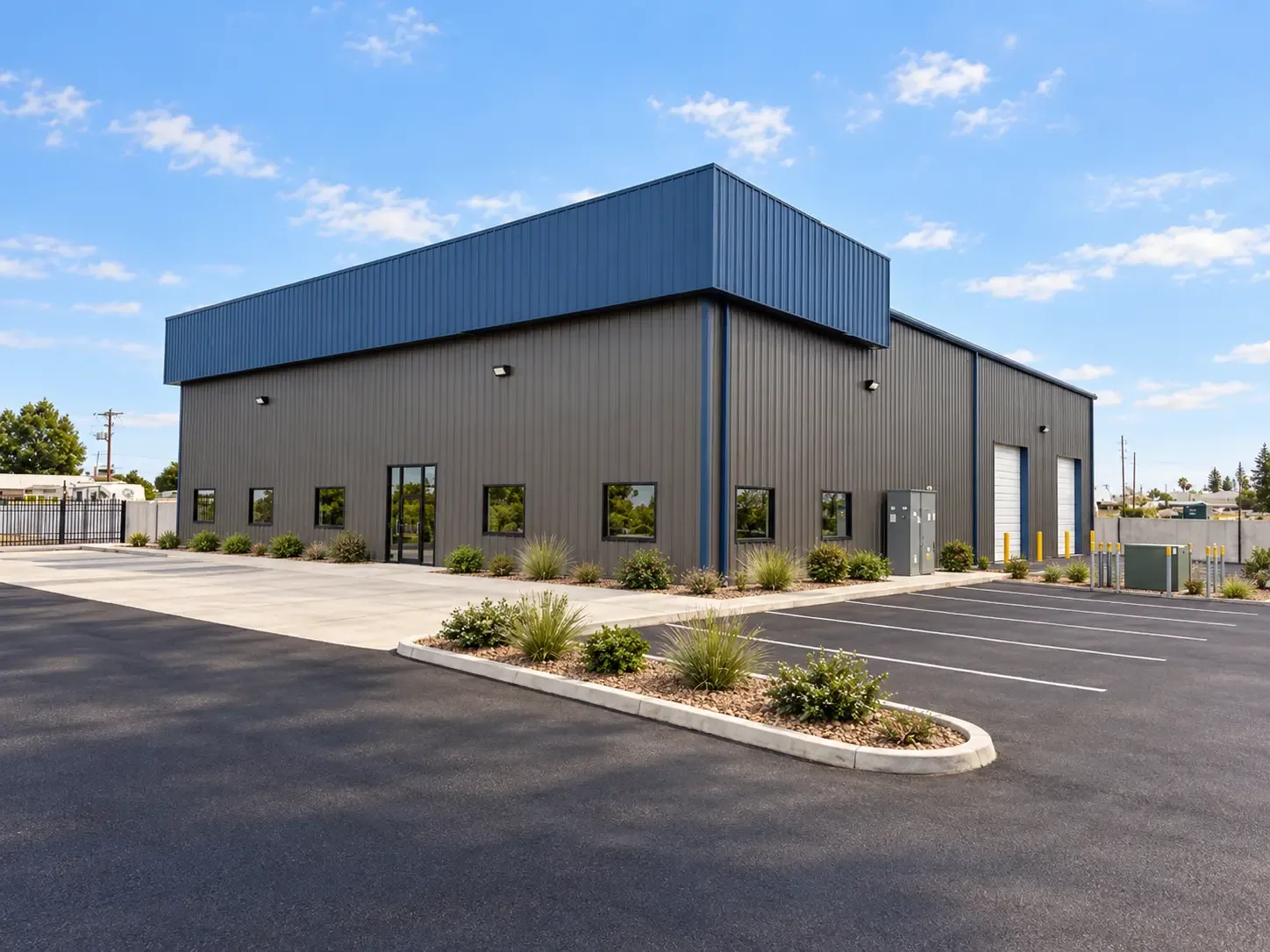
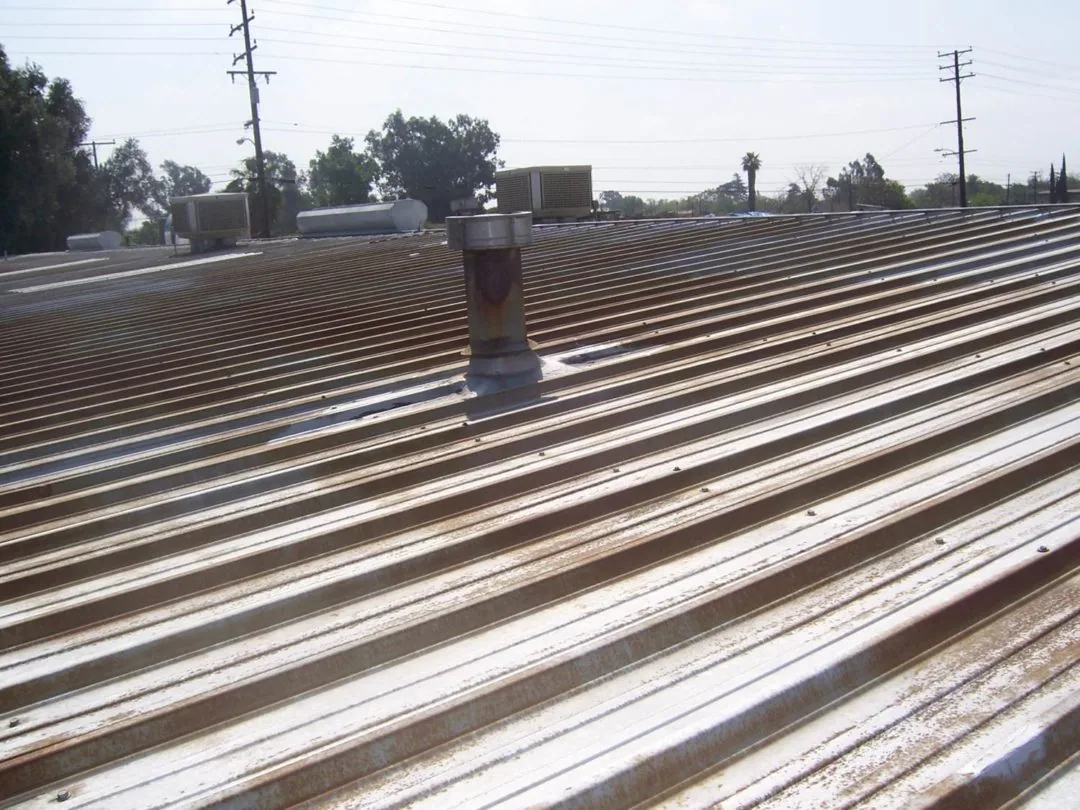
Fasteners, laps, and drains. Buildings used for freight often use long metal panels or a low-slope membrane over a wide, open interior. Panel fasteners work loose with heat cycling, laps open as sealants age, and drains on a flat section silt up with road dust. Bay doors add headers and trim that take wind. Shop areas add exhaust fans and make-up air units, each with a curb and flashing.
Each section is walked on its own: fasteners and laps photographed, a sample pulled for pull-out, sealants probed, drains counted. Heat is a steady load, since Temple's August readings run near 95F and roughly 80 days a year pass 90F, which starts wearing sealants in May, and a roof over a hot shop bay ages faster than one over a cool storage floor. A sketch ties each section to the bay or office below.
Rooftop equipment over a shop gets its own pass. Exhaust fans pull heat and fumes through the roof, and the membrane or panel around them sees both. We look for staining, swelling, and softened sealant near each fan, check that curbs sit tight, and trace condensate lines to their discharge. Where a fan has been replaced and the curb left alone, the flashing is checked against the new unit's footprint, because a mismatch there is a common source of slow leaks.
What is the make-safe step over a shop bay or a parts room?
While the operator handles the interior (moving trucks or parts, covering equipment, closing a bay) the roof crew covers the opening from overhead with a temporary dry-in or sealed patch. The opening is photographed first, and the bay or room below and the materials are logged. For a dispatch operation that runs around the clock, the make-safe timing is arranged so the work does not block a bay that has a truck due.
A holding repair is logged with its date and open items, which gives the permanent scope time to be priced and approved. The intake record also feeds the operator's incident file and any claim, and it keeps emergency work apart from the capital decision. A landlord can forward that entry to a tenant or a lender without rewriting a word.
How do we find hidden damage on a wide roof?
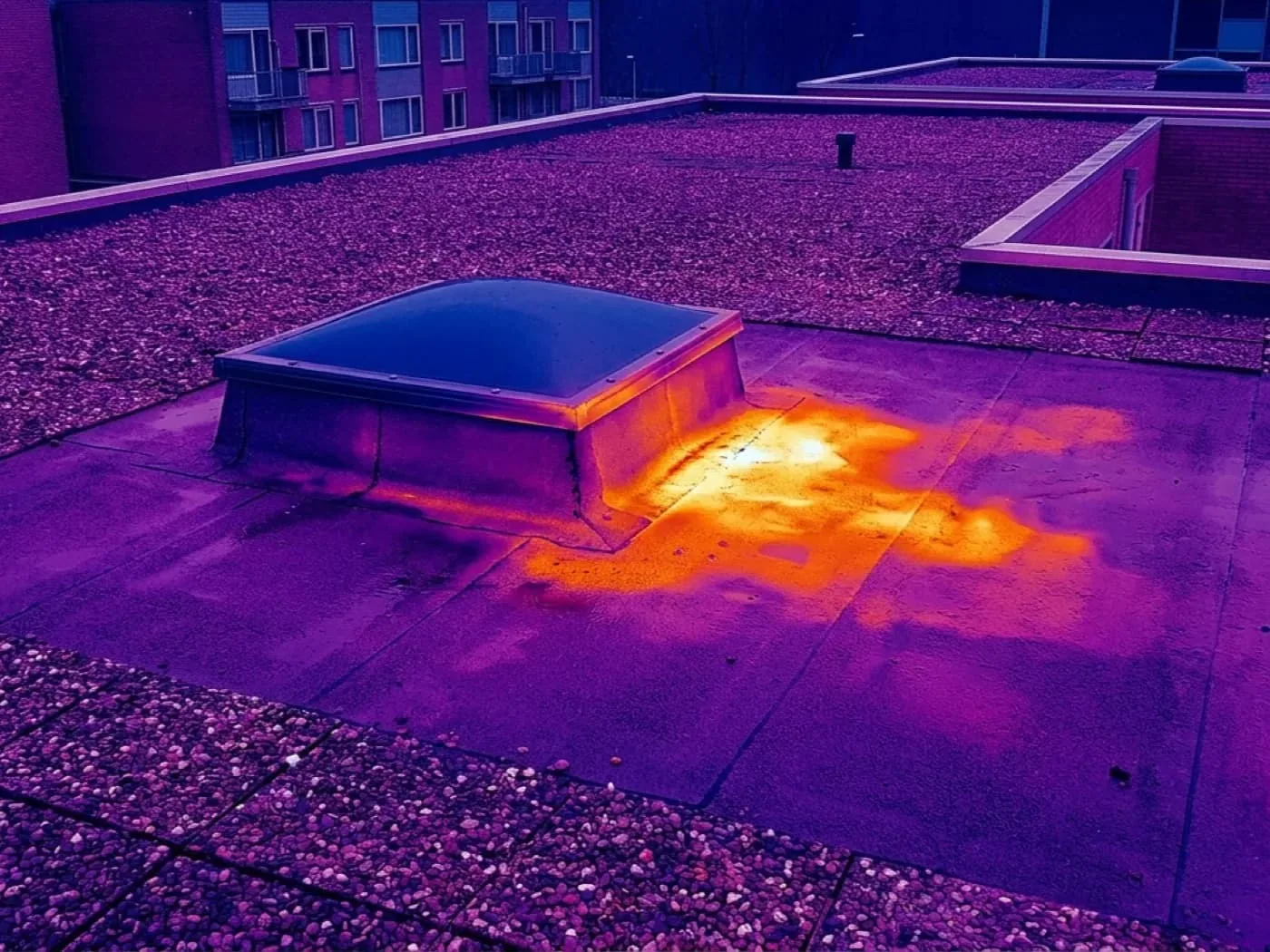
Coring a wide roof everywhere is not practical, so a scan narrows the search. An infrared moisture survey after a clear day reads a low-slope surface and core cuts check what it shows; on a metal roof the inspector works the seams with a moisture meter, which turns up leaking fasteners and laps. Dated maps or logs are filed by bay number.
A follow-up survey tells whether a repair held. A small wet spot gets cut out and rebuilt, while moisture across a wide area means a bigger scope, and for a freight operator the question becomes how to phase the work so the yard keeps moving. Lift positions and material staging are marked on a site plan so trailers, forklifts, and customer vehicles keep their routes, and the roof crew starts early to stay ahead of afternoon heat. Price drivers are spelled out: area, penetrations, wet insulation, access, and the hours the operation can spare.
How do roads and rail shape roof planning here?
US 190 through Nolanville is part of I-14, and the city sits about 8 miles from I-35 in Belton. The 41,671 vehicles counted at the eastern limits of US 190 mean that buildings on the roadside are seen by a lot of traffic, so a loose trim piece or a stained wall reflects on the owner.
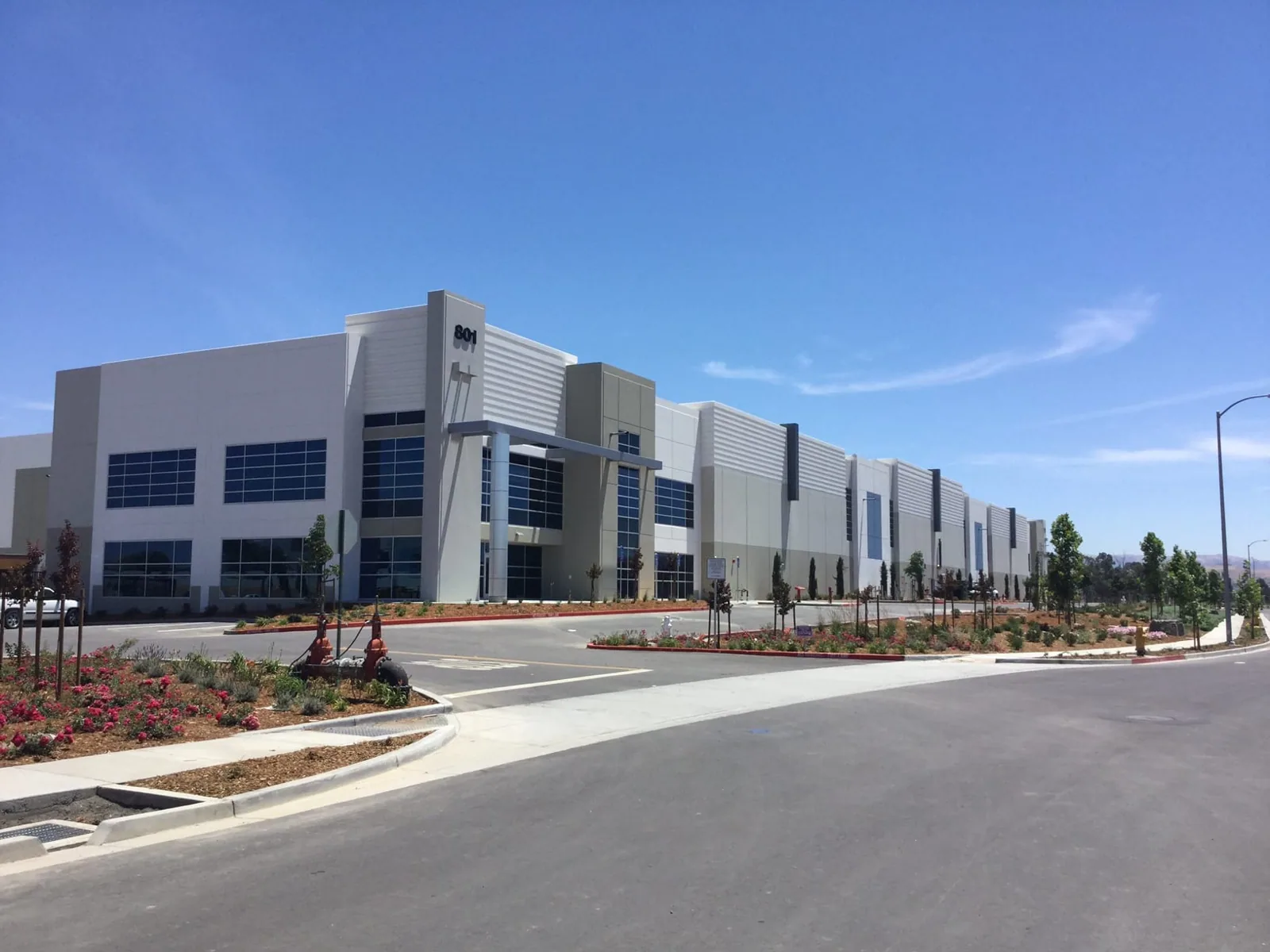
For a roofer, those details justify a perimeter check on every building and a drainage check on any large flat area. A warehouse-type building follows the logic of warehouse roofing, and a building that mixes office and storage reads like flex industrial roofing. The road frontage on the US 190 and FM 439 corridor gets its own attention, since it draws commercial traffic. Freight and dispatch tenants change, and each new one brings its own racking, lighting and rooftop exhaust, so the penetration log kept at every visit shows what each tenant added and when.
What does the 2024 tornado record mean for Nolanville roofs?
Temple's EF-2 tornado on May 22, 2024 reached about 120 mph and struck restaurants, shops, banks and strip malls; the weather service also estimated 80 to 90 mph straight-line gusts across the city, and an EF-1 formed near Little River-Academy. Nolanville sits about 8 miles from I-35 in Belton, so those events give an inspector context for a freight roof but record no damage in Nolanville.
Ahead of storm season the fasteners at coping, fascia, trim, bay door headers and the membrane edge get tested, and unit covers are checked for latches and straps. Post-storm photographs go beside the earlier set. A wind-damaged roof is secured at the perimeter first.
How does an operator rank several buildings?
An operator or landlord with several buildings benefits from a single scorecard. Membrane or panel condition, flashings, drains, penetrations and moisture are graded together, and buildings fall into act-now, watch and schedule-later groups, with photographs attached. For a logistics operator, the ranking is a budget tool, and it shows which roof to fix before it interrupts the yard.
A permit question goes to the local office. Work on Harker Heights properties and Nolanville properties is recorded on one sheet. Emergency calls are answered at any hour; the first visit makes the building watertight and records the damage, and a call-back window for rechecking the dry-in is agreed before the crew leaves.
Commercial Roofing Questions
Can a shop bay stay in service during roof repairs?
Usually. The crew works from the roof, and sections are opened and closed the same day. The plan marks which bays are under work and when, so trucks and parts move around them. Hot work and noisy tasks are coordinated with the shop supervisor.
What does a holding repair accomplish?
One opening, closed for now. Area, materials and date go on the entry, with the open items beside them. The permanent scope is priced and scheduled apart from it.
Why do bay door headers matter to the roof?
A large door opening is a wind-sensitive edge. The header trim and the roof edge above it take pressure in a gust, and loose fasteners there let wind get under the roofing. We test them before storm season and after storms.
How is a metal roof checked for leaks?
We walk the seams with a moisture meter, test a sample of fasteners for pull-out, and look at the underside for rust streaks and stained insulation. Findings are tied to bay numbers on the sketch.
How quickly can a crew reach Nolanville?
Round-the-clock calls get a first visit that closes and photographs the opening. Travel from the Belton side, about 8 miles from I-35, is short once a dispatch window is set; timing is confirmed by phone.