Aircraft Hangar Roofing
Rain is dripping onto an aircraft wing, and the person on the hangar floor has one decision to make before anyone calls a roofer: tow the aircraft out or cover it. Hangar roofs are rarely a daily thought until water meets something worth more than the building. Draughon-Miller Central Texas Regional Airport in Temple offers general aviation service only, and that makes hangars and small aviation buildings a roof type worth planning for, with the first hour belonging to whoever owns the aircraft below.
What fails first on a hangar roof?
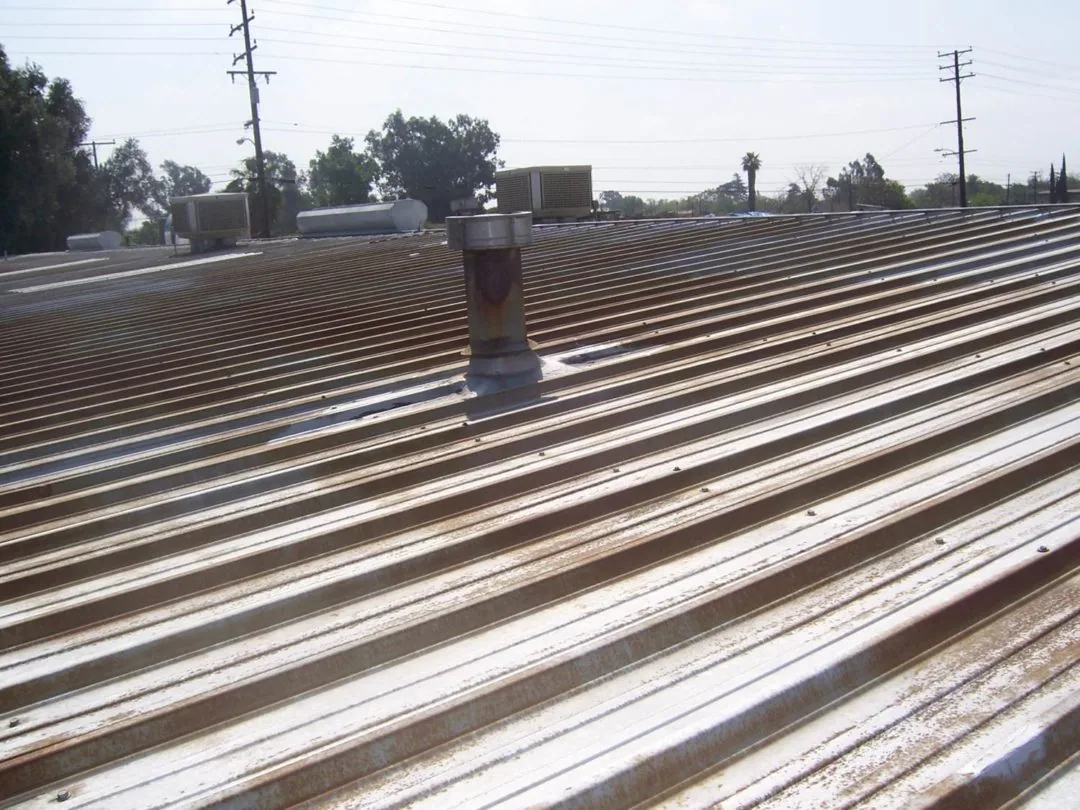
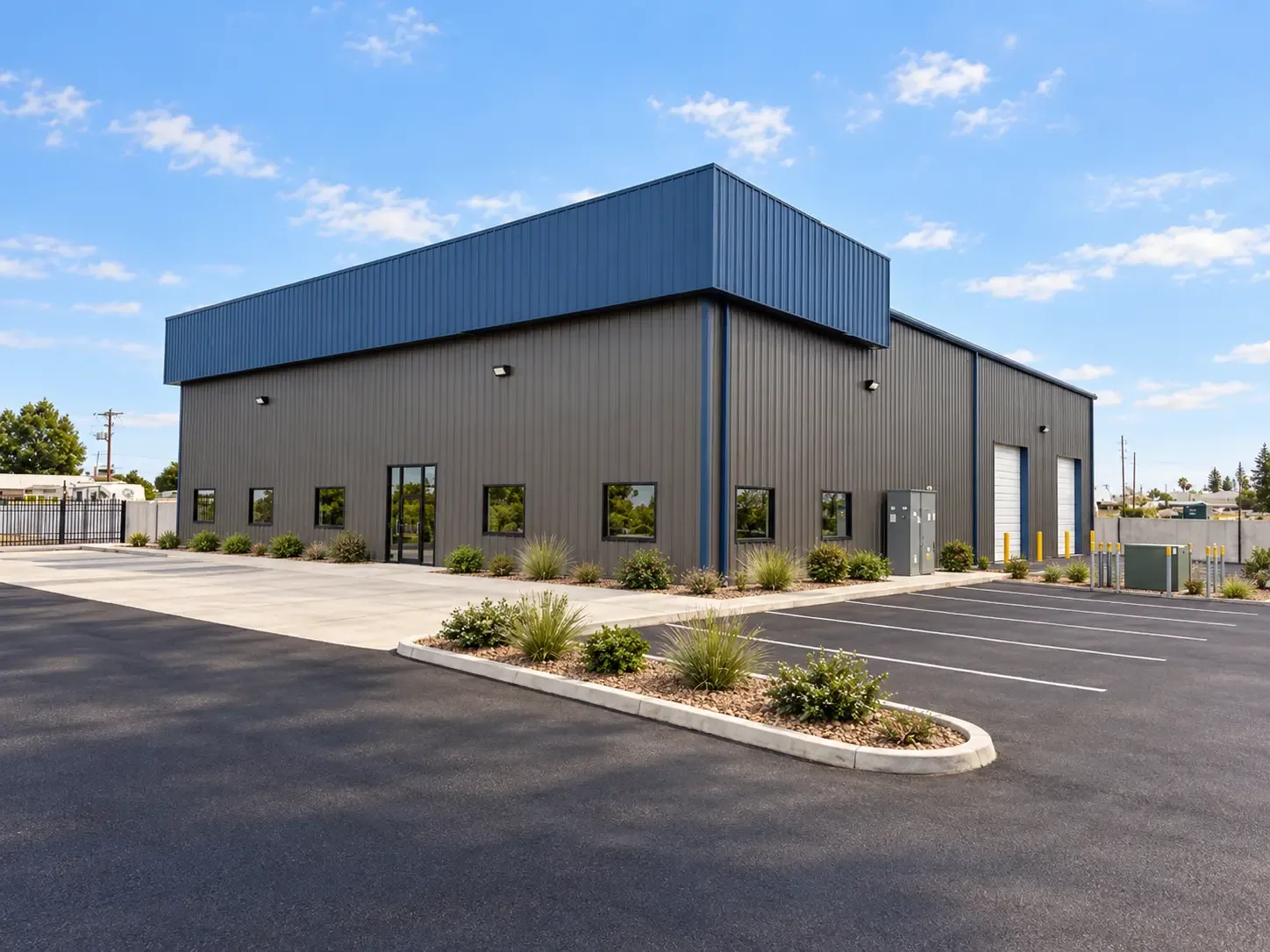
Fasteners, laps, and the roof of the door opening. A hangar roof is usually a long-span metal system on a clear-span frame, with panels running from ridge to eave and fasteners at every purlin. Those fasteners work loose with each hot day, laps open as the sealant ages, and the large door header collects wind and water along its edge. Skylights and ridge vents add penetrations.
The first walk follows the panel lines. We photograph fasteners and laps, test a sample of fasteners for pull-out, probe sealants, and check eave, gable, and door-header trim for movement. Temple's August highs near 95F and about 80 days a year above 90F expand and contract metal daily from May on, which is why inspections run before and after the hot months. The sketch ties each roof section to the bay below, so a drip over an aircraft is traced to a seam, not a guess.
What is the make-safe step over a parked aircraft?
The owner protects the aircraft; the roof crew stops the water. A temporary seal over the opening, a sealed patch, or a tarp secured to the structure stops entry. Aircraft are covered or moved by the owner or operator, because only they know how to handle them. We do not touch the aircraft or the hangar door mechanisms.
We photograph the opening before covering it, record the bay beneath it, and note the materials used. The holding repair is labeled temporary, with the date and a plain statement of what it covers. The intake record supports the hangar owner's own file and any claim. The permanent scope follows the survey, and the decision belongs to the owner or the airport tenant, not to the shift on duty.
How are leaks found in a long metal roof?
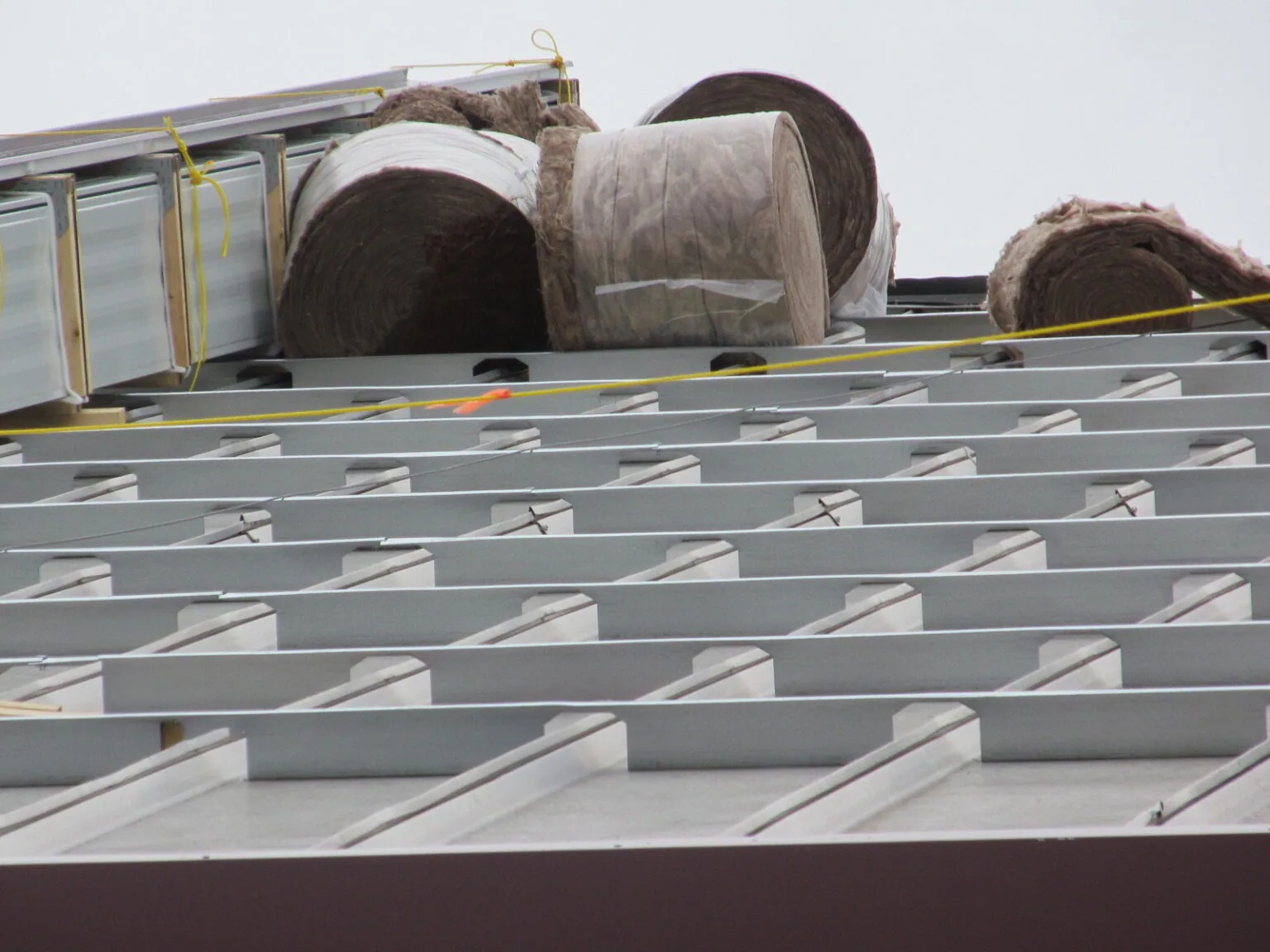
On a metal roof, leaks are at fasteners, laps, and penetrations, so the search follows the panel lines. A walk with a moisture meter along seams and at fastener rows finds many of them. Rust streaks on the underside of panels, stained insulation, and damp ceilings in office or shop areas confirm the source. For large roofs, a drone survey records the full surface quickly and safely, which matters on a long span where walking is slow and exposed.
The map is dated and filed. A later survey shows whether a repair held. If the hangar has a flat roof section over offices or shops, an infrared scan covers that area. Where insulation is present under the panels, it is checked for water. The record ties every finding to a location on the sketch.
What does the 2024 storm record mean for a hangar?
The National Weather Service confirmed an EF-2 tornado in Temple on May 22, 2024, with peak winds near 120 mph, and it damaged restaurants, shops, banks, and strip malls. A second tornado, rated EF-1, began near Little River-Academy that evening, and straight-line winds of 80 to 90 mph were estimated across Temple. That is regional context. It is not a finding about any hangar.
A long, wide building with a large door opening is sensitive to wind. The roof edges, the ridge, and the door header are where uplift pressure is highest. Before storm season we test edge trim and fasteners along those lines, and after a storm we compare the roof against earlier photographs. A wind-damaged roof is secured at the perimeter first, then the field is checked panel by panel. Hangar door tracks and seals belong to the door trade; we record any roof-side damage near them and pass it on. Gutters and downspouts along the long eaves carry a lot of water at once, so we check them for sag and clogging, because overflow at the door end of the building runs straight toward the apron.
Which options fit a tired hangar roof?
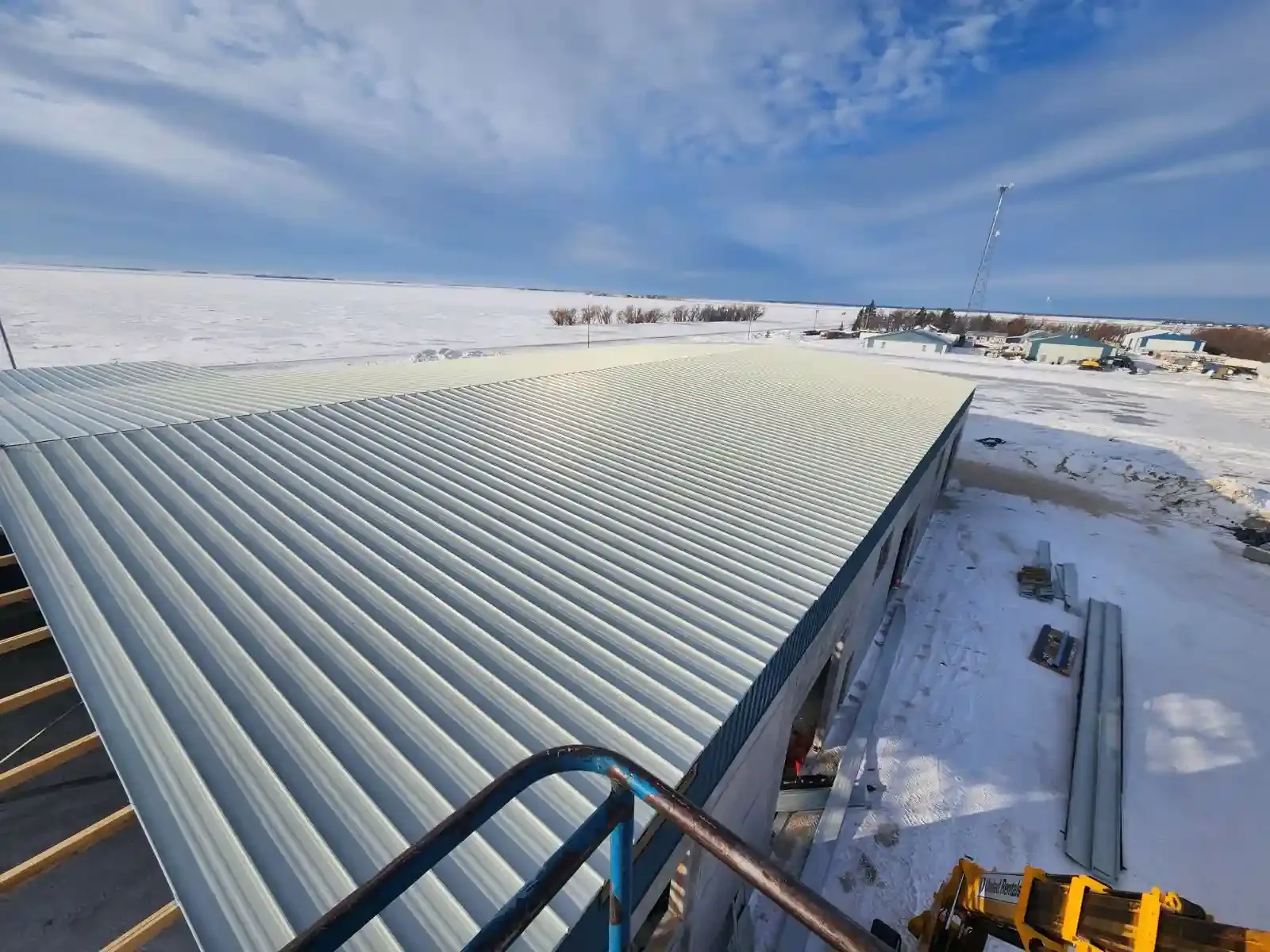
The options follow the evidence. If panels are sound and the fasteners hold, resealing laps and replacing stripped fasteners can restore a roof for several seasons. If the surface is worn but panels are sound, a coating can seal fasteners and laps. If the panels are rusting or the fasteners have lost grip, a metal roof retrofit installs new panels over the existing framing, and new standing seam metal offers concealed fasteners on a full replacement.
Each option comes with cost drivers in plain terms: roof area, number of fasteners, condition of purlins, access equipment for a tall span, and work hours. Because aircraft cannot always move, the scope also names how the work is phased around bays that must stay covered. The long-span logic is the same one used for a warehouse roof, with the difference that the contents here are a lot more sensitive to a single drip, so the make-safe and moisture steps get more attention.
How does an airport tenant or owner plan across buildings?
An owner with several hangars or aviation buildings needs one rating sheet. Panel and fastener condition, laps, trim, door header, and moisture are scored on one scale, and buildings sort into repair now, monitor, and plan for replacement. Photographs go with the ranking. The same sheet can be used for hangars on any airfield in the region and for buildings in the Airport Park at Central Pointe business park.
A hangar project goes through the city's building department, which reviews plans against the International Building Code, and its permit office names the edition currently in force. A tornado event changes the plan, and tornado damage findings are recorded edge by edge with dated photographs. A hangar with attached shops or offices reads partly like flex industrial space, with a low-slope section beside the long metal span, and each part is rated on its own line.
Commercial Roofing Questions
Who covers or moves an aircraft when a hangar roof leaks?
The aircraft owner or operator. We stop the water from the roof and stay clear of the aircraft and the hangar floor. The intake record tells the owner where the opening is and what is covering it, so they can decide whether to move the aircraft.
Can a hangar roof be repaired with aircraft inside?
Usually, with planning. Work is done from the roof, sections are closed the same day, and bays beneath are covered or emptied by the owner. Debris and dropped fasteners are controlled, and the plan names the bays affected before work starts.
What is a holding repair on a hangar?
A temporary measure that stops water entry at one location. The record states the bay, the materials, and the date, and it says what the repair does not cover. The permanent scope follows after the survey.
How are fasteners tested?
We pull a sample at several locations and record the force or the failure. Stripped or corroded fasteners show up in the test and are replaced with larger ones where the substrate allows. The log marks locations so the pattern is visible.
Is a drone useful on a hangar roof?
Yes, on large spans. A drone captures the whole surface in one pass and lets the inspector zoom in on laps and fasteners without walking the full length. Findings that need a hand check are marked for a follow-up walk.