Self-Storage Roofing
A tenant opens a unit and finds a wet box in the back corner. By the time the manager phones, the leak has been running for weeks, and the inventory in three neighboring units is in question. That is how most self-storage roof problems arrive: late, in someone else's property, with the manager trying to guess which roof section is above which door. In Temple, TX the first hour is spent matching a wet unit to a roof panel, and the best answer is a record made before the call.
What fails first on a storage building roof?
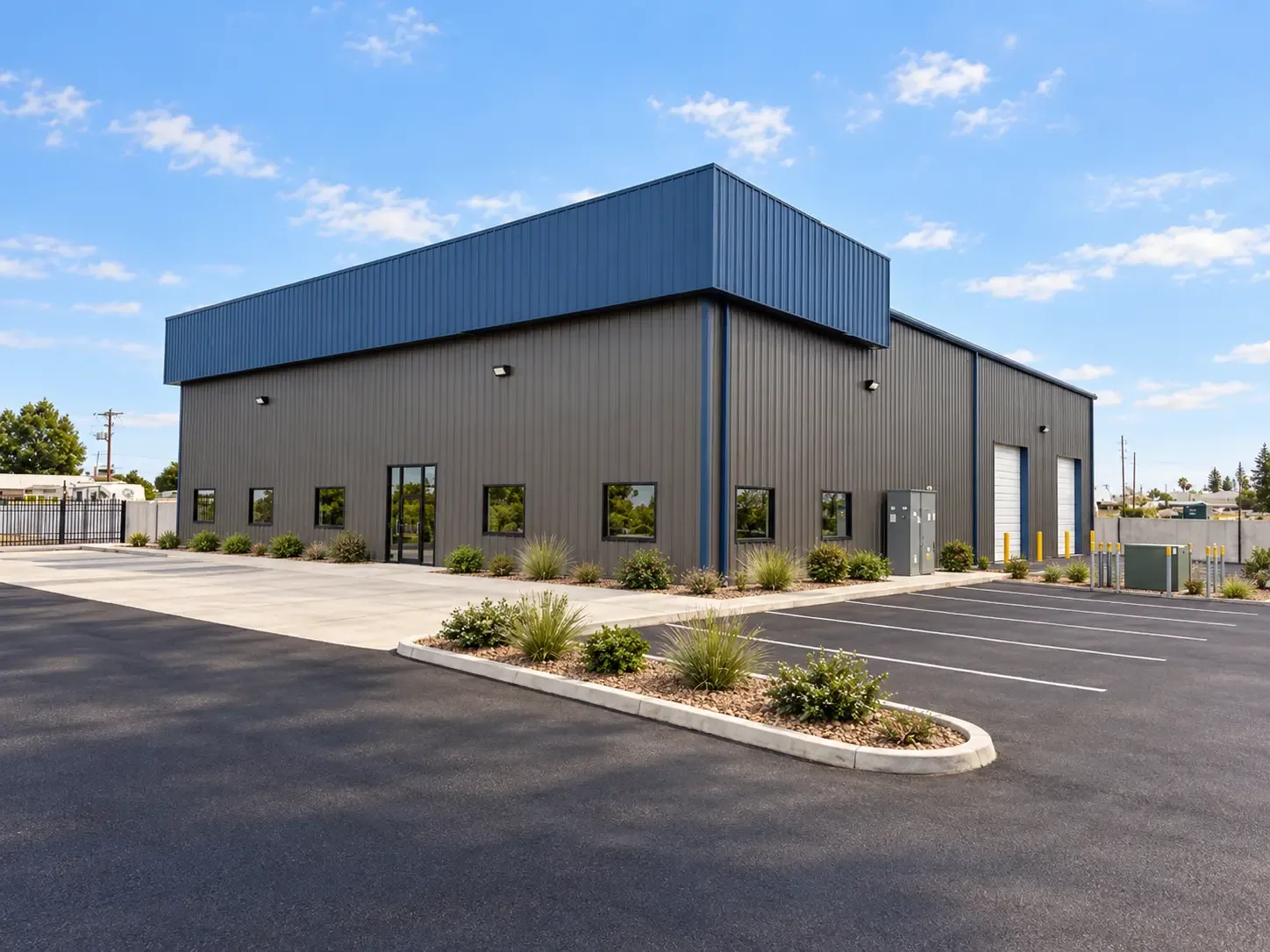
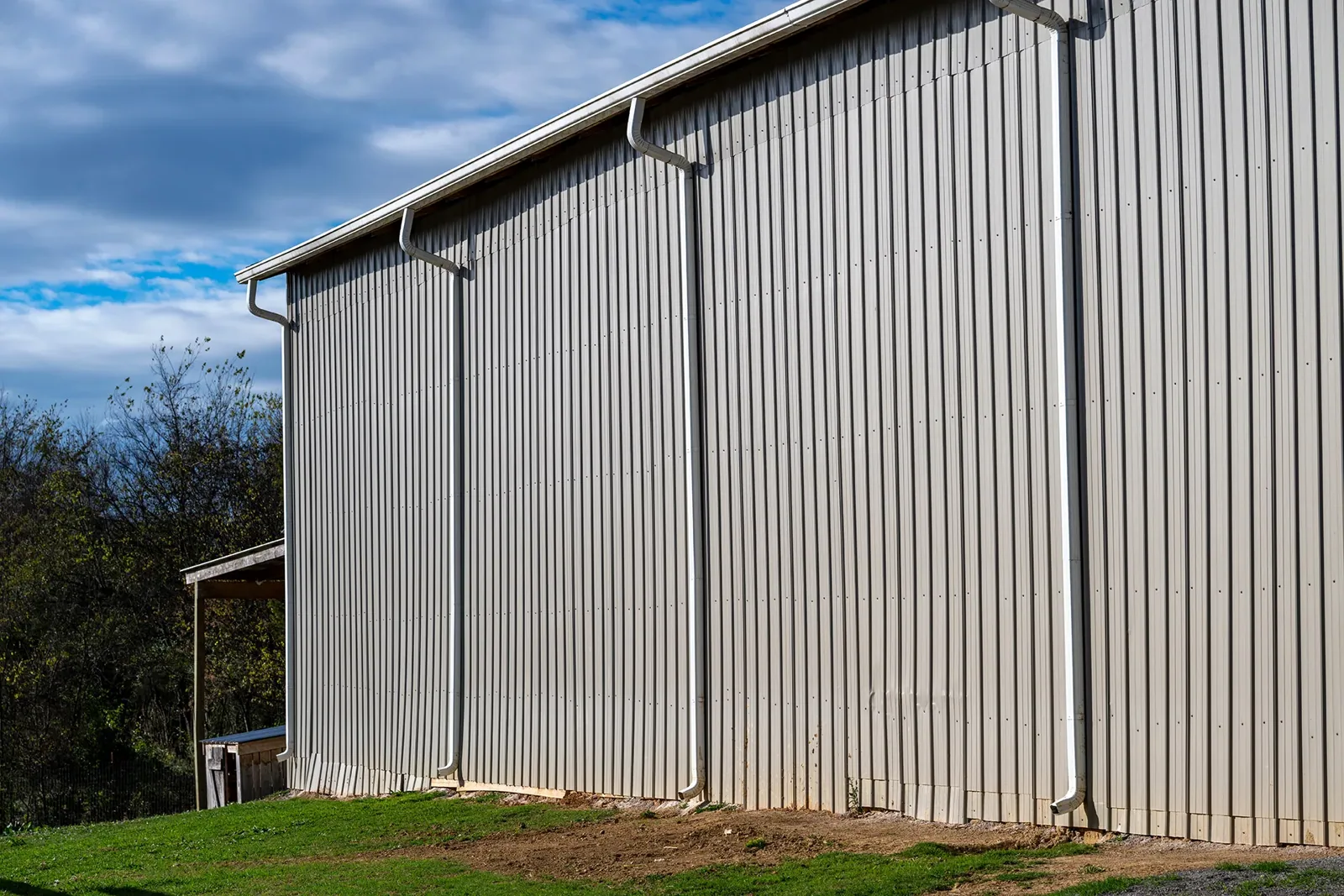
Fasteners, laps, and edges. A self-storage building typically carries long, low-pitched metal panels or a thin low-slope membrane over many identical bays. The fasteners that hold those panels expand and contract with every hot day, work loose, and open a path for water. Laps between panels depend on sealant, which dries and splits. The eave and gable trim take the wind first.
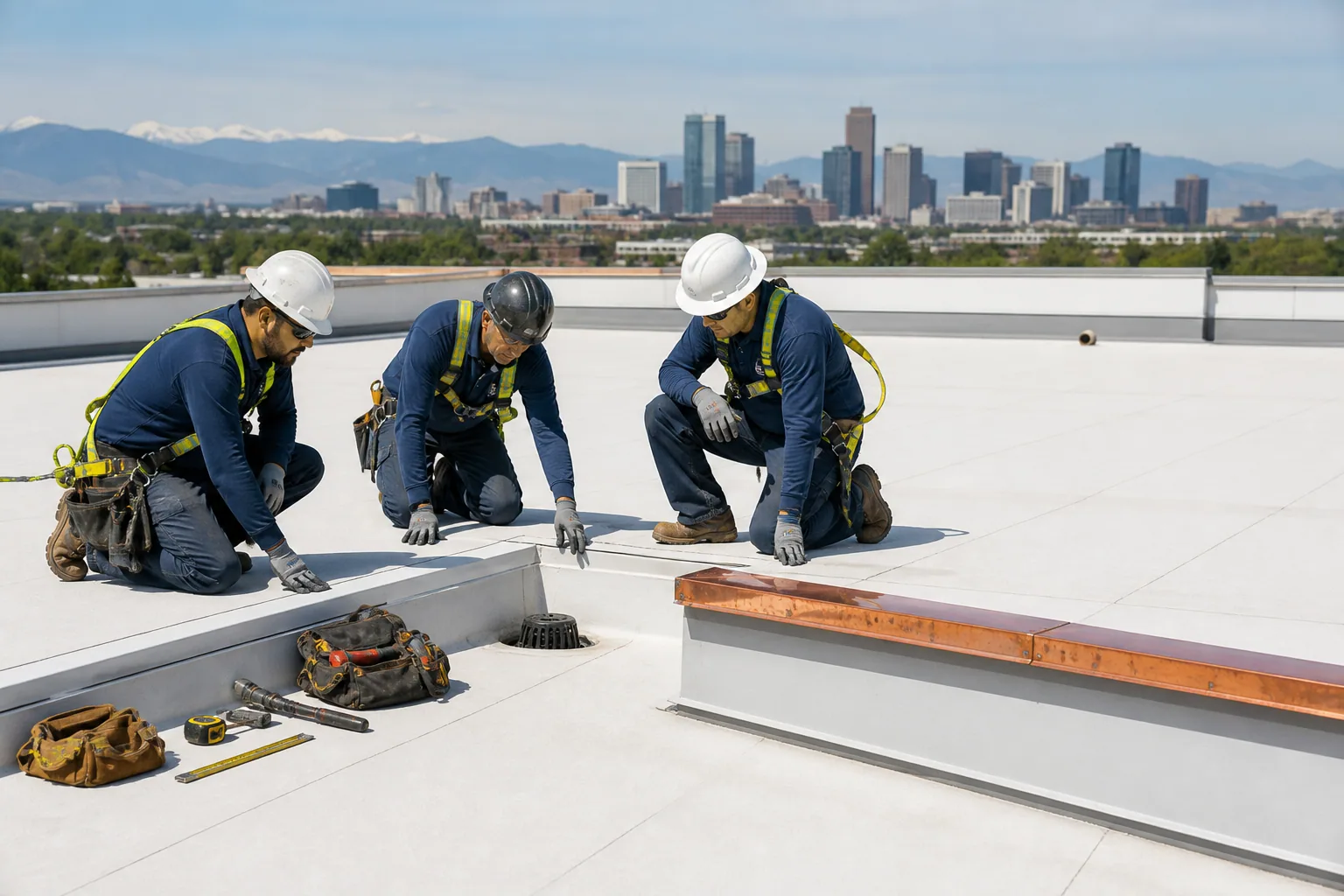
A walk down each panel run comes first: fastener heads, lap sealant, a pull-out test on a sample of screws, and the movement of eave and gable trim. Metal grows and shrinks daily through a Temple summer of 95F August afternoons and some 80 days a year past 90F, so we walk before the heat and again after it. A roof sketch assigns each run to the unit doors beneath it, which lets a wet door be traced to a specific panel instead of a guess. Drive-up buildings with overhangs add one more check: the underside of the overhang and the gutter above each door, since a gutter that overflows at a door sends water into the unit from the front instead of the roof.
What is the make-safe step over rented units?
The crew works from the roof and does not enter units. A sealed patch or a tarp fixed to the structure stops the water. The facility manager handles the tenants: notices, moving belongings, and documenting the damage. We photograph the opening before covering it, record the unit numbers beneath, and note the materials used.
That intake record serves the facility's own claim and tenant-notification process. A holding repair is labeled as such in the file, with its date and a plain note of what it covers. The permanent scope follows the survey, and the owner decides it by weighing repair cost against lost rentals and tenant claims.
How do we find slow leaks before tenants do?
On a metal roof, slow leaks show up as rust streaks, stained insulation, and damp ceilings in units. A walk with a moisture meter along the panel seams and at fasteners finds many of them. On a low-slope membrane, an infrared scan on a clear evening maps wet insulation, and core cuts confirm it. Either method produces a dated map tied to unit numbers. Because the roof is inspected from above and the units are not entered, tenants are not disturbed and the manager does not have to open doors for the crew.
The map is filed, and a later survey shows whether a repair held. A facility owner can use the data to schedule repairs by bay, starting with the units above the leaks. For metal roofs that are sound but tired, a coating or retrofit can extend life. Panels that rust through or fasteners that have lost their grip point toward replacement. A pull-test log makes that call easy to explain. A roof over warehouse-style storage follows the same decision path: dry and sound means repair or coat, wet and failing means replace.
Which options fit a tired storage roof?
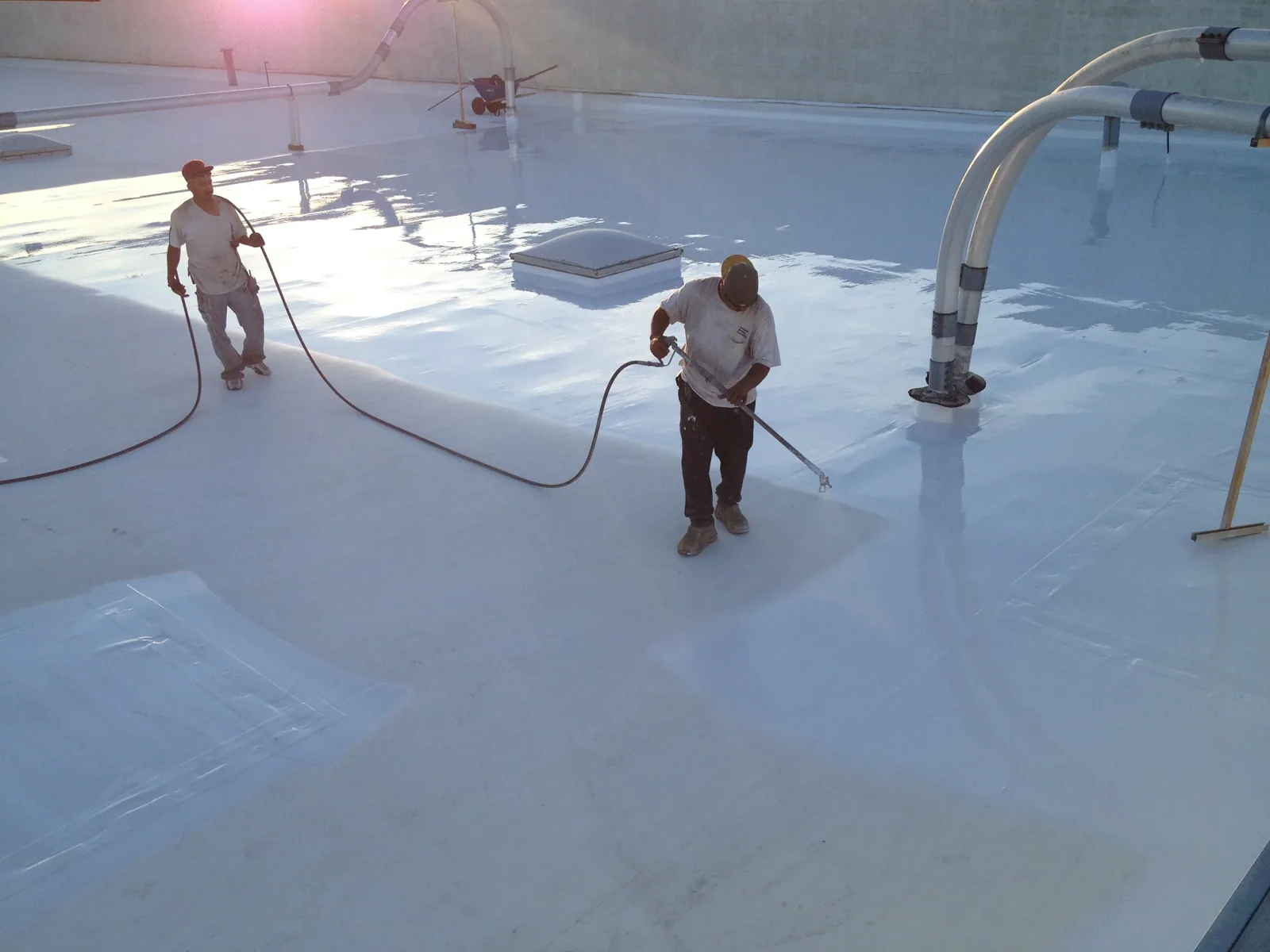
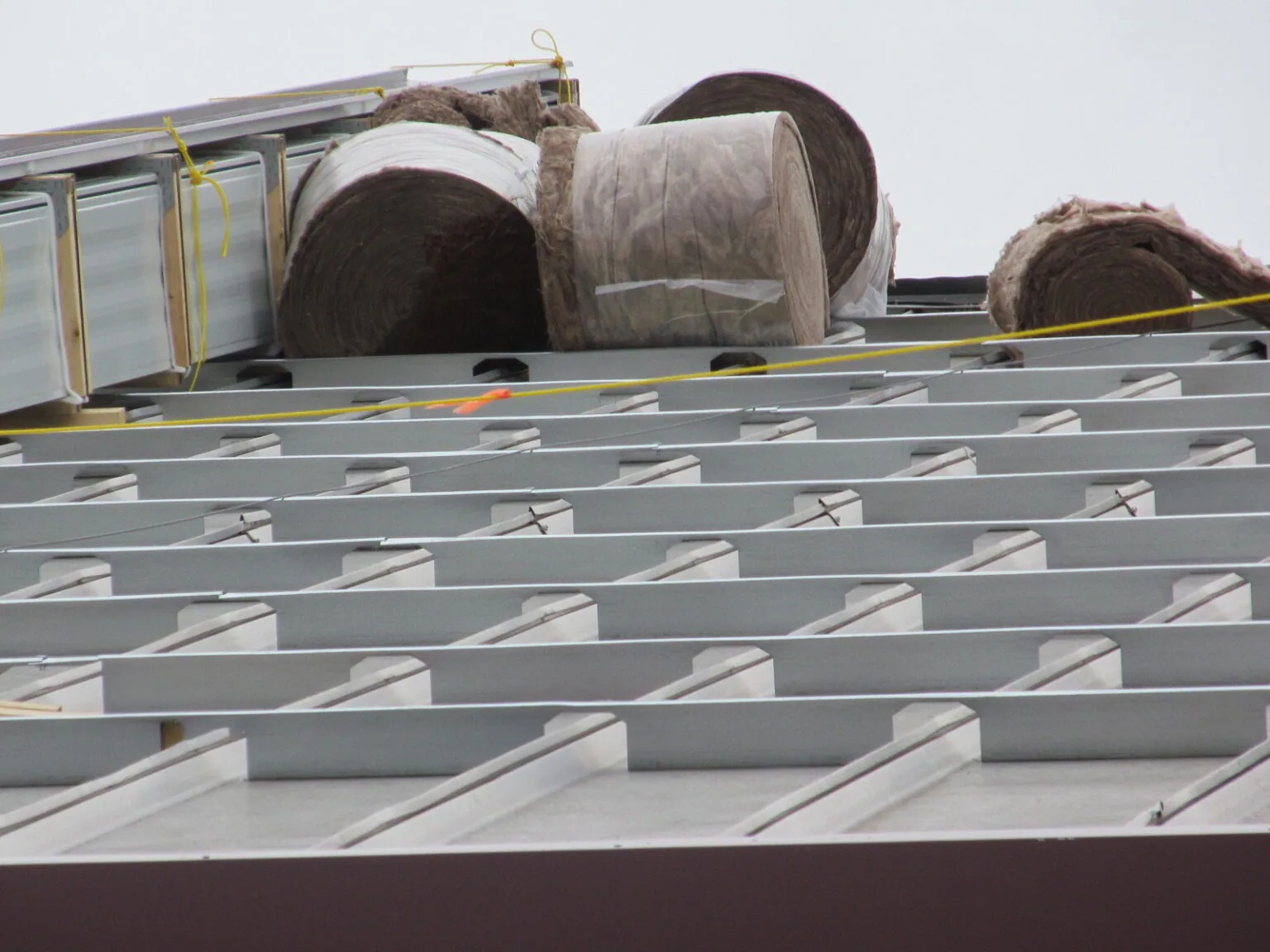
Which route fits depends on what the pull tests and moisture readings show. Sound panels with fasteners that still bite can often be restored by resealing laps and swapping stripped screws for oversized ones. If the surface is worn but the panels are structurally sound, a silicone coating can seal fasteners and laps in one film. If the roof is beyond that, a metal roof retrofit puts new panels over the existing framing and avoids a full tear-off.
Each option is priced by named drivers: roof area, number of fasteners, condition of the purlins, access for lifts, and the hours the facility can accept. We list them in the scope so bids can be compared. Seam trouble on membrane roofs is a different path, handled like any seam failure repair.
What does the 2024 storm record mean for storage buildings?
A long, low metal building has a lot of surface for the wind to work on, and the EF-2 tornado that crossed Temple on May 22, 2024 peaked near 120 mph, and the National Weather Service counted restaurants, shops, banks, and strip malls among the damage. A weaker EF-1 tornado formed near Little River-Academy that night, and gusts of 80 to 90 mph were estimated over Temple. None of that describes a particular storage facility.
Long, low buildings with light-gauge roofing present a large area to the wind, so the edges and trim carry the review. Eave and gable trim, ridge caps, and the fasteners along the perimeter are tested for movement before storm season. After a storm, a side-by-side with the earlier photographs shows what shifted. Edge metal and trim that has lifted is secured or replaced first, since an open edge lets the wind peel the panels behind it.
How does an operator rank several facilities?
An operator with several sites needs one scorecard. Panel and fastener condition, lap sealant, trim, drainage, and moisture get graded together, and facilities sort into repair now, monitor, and plan for replacement. The ranking is a multi-site roof program tool, and the photographs let a regional manager see conditions without driving there.
Facilities near Loop 363 or the Temple Outer Loop can be compared with any others on the same sheet. A building that looks like a storage facility but holds light industrial tenants moves into the territory covered by flex industrial roofing. A reroof in Temple needs a permit, and the permit office states the code edition in force.
Commercial Roofing Questions
How do I find which roof section is above a wet unit?
Use the roof sketch, which ties each panel run to the unit numbers below. If no sketch exists, we make one on the first walk. Wet units are then traced to a run and a seam or fastener row, and the repair goes to that location.
Can storage roofs be repaired with tenants in place?
Yes. Work is done from the roof, units below are protected where needed, and the manager notifies tenants of schedule. Interior access is not needed for most repairs, and the plan names the units under each work area.
When does it make sense to replace fasteners rather than the roof?
When the panels are sound and the fasteners have lost grip or rusted. Larger fasteners with new washers restore the connection in many cases. A pull-test sample shows how widespread the problem is, and the scope reflects it.
Is coating a good option for a storage building?
On a sound metal roof, a coating can seal fasteners and laps and reflect heat. It needs a clean, dry surface and rust treatment first. If panels are perforated or purlins are failing, coating will not hold and the record says so.
What does a holding repair cost the tenants?
It costs them nothing directly and saves them damage. It stops water entry quickly so a unit stays usable and the stored goods stay dry. The permanent scope is planned and priced separately, which keeps the emergency from driving the capital decision.