Holland
What fails first on a small commercial roof in a Central Texas summer? Usually a sealant, and usually where nobody is looking. Holland had 1,075 residents in 2020 and Texas State Highway 95 runs through town, about 17 miles from Temple and 22 miles from Taylor along that route. Holland is also where the center of population of Texas is located, but for a roof the relevant fact is the sun: Temple's August highs reach 95F, and about 80 days a year go past 90F there.
A roof exposed to that for months wears in a recognizable order, and the order is how we walk it. Sealants first. Then seams. Then flashings. Then the surface. Each step is photographed and dated, so the owner can see what the summer did and decide what to fix before the next one.
Why do sealants go first?
Sealants are the softest and thinnest part of a roof assembly. They sit at penetrations, terminations and joints, where two materials meet and move at different rates. In heat they dry, shrink and crack, and a crack of a hair's width is enough to let water follow a pipe down into the insulation. By the time a stain shows inside, the sealant may have been open for a season.
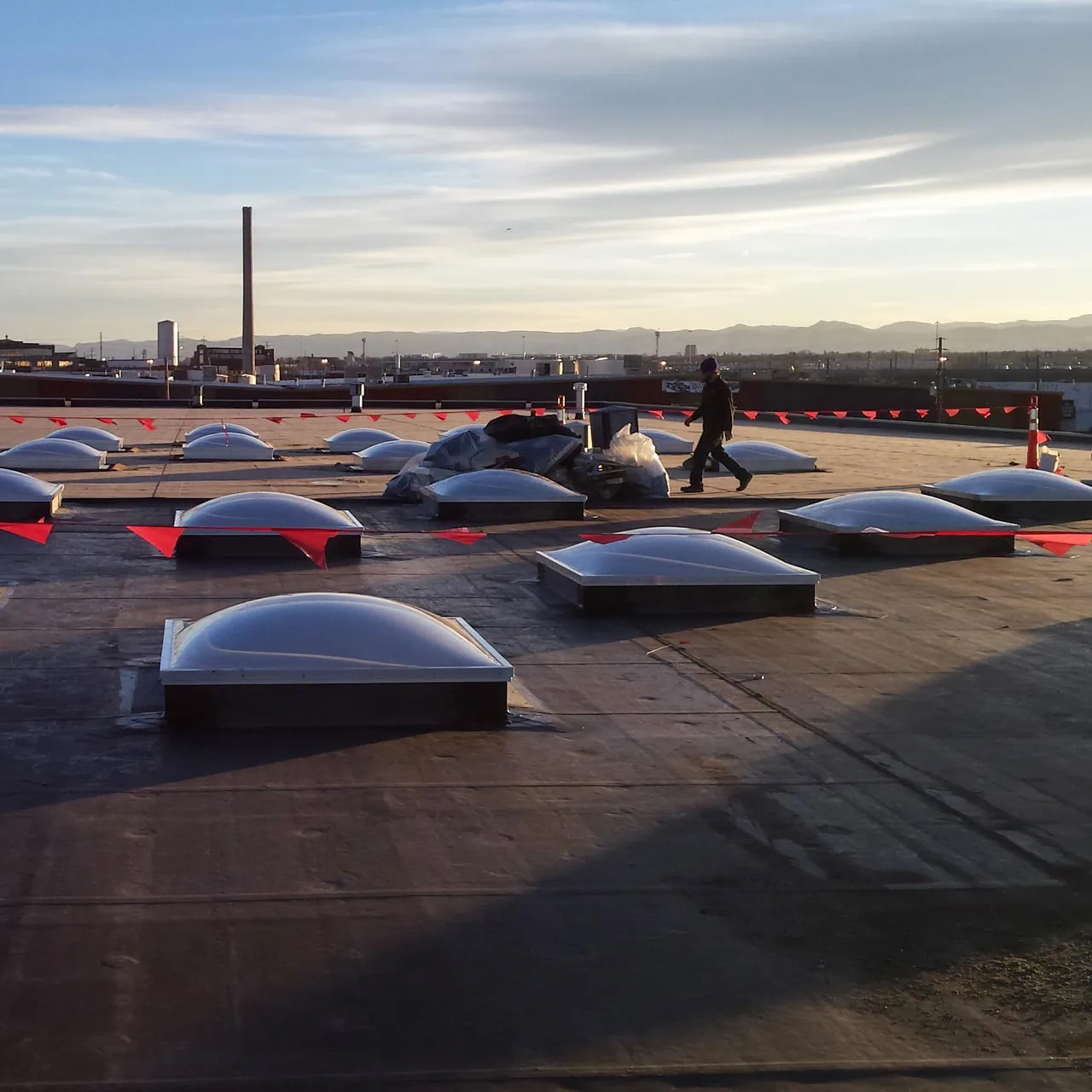
On the first walk we press and photograph every sealant bead we can reach. A bead that is soft and bonded is a pass. A bead that is hard, cracked or pulled away is a finding. We replace failed sealant with a compatible material and do not layer over the old bead, and the repair is logged with the date and the product class. A penetration flashing that has failed more than once gets rebuilt instead of resealed.
What does the surface say about the next five years?
The surface of a membrane or coating shows heat damage before the seams do. Chalking leaves a powder on the hand. Crazing is a pattern of fine cracks. Shrinkage pulls the sheet away from walls and curbs. Granule loss exposes the asphalt on a cap sheet. Each of these is photographed with a scale card and tagged to its section.
The comparison over time is the point. A roof that chalked a little last year and chalks the same this year is stable. One that has crazed since last spring is moving. The rate goes into the capital plan, and the asset manager sees which roofs are on a short fuse and which can wait another season without risk. Heat and UV damage findings are kept in the same record as seams and flashings.
When do a cool roof or a coating make sense?
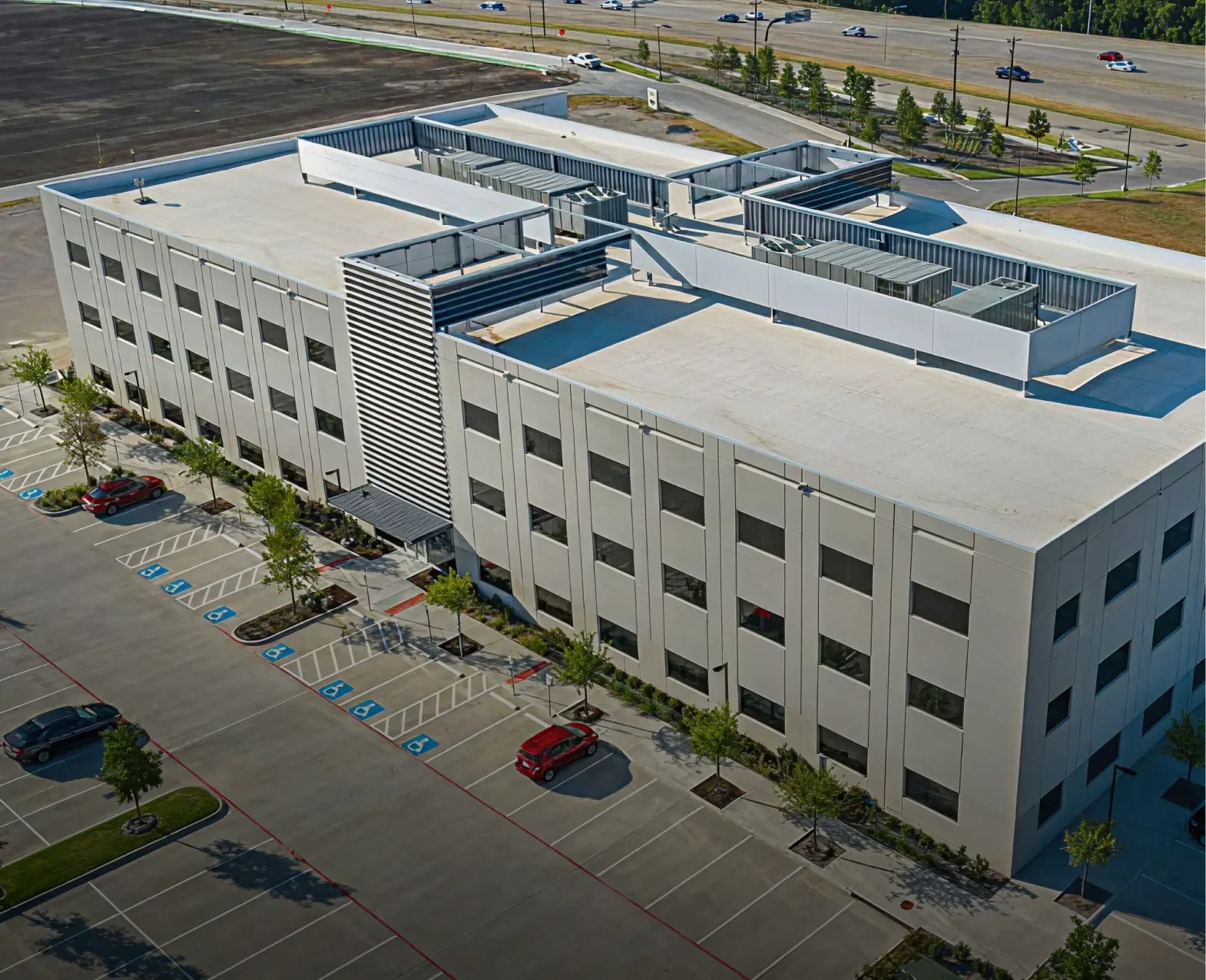
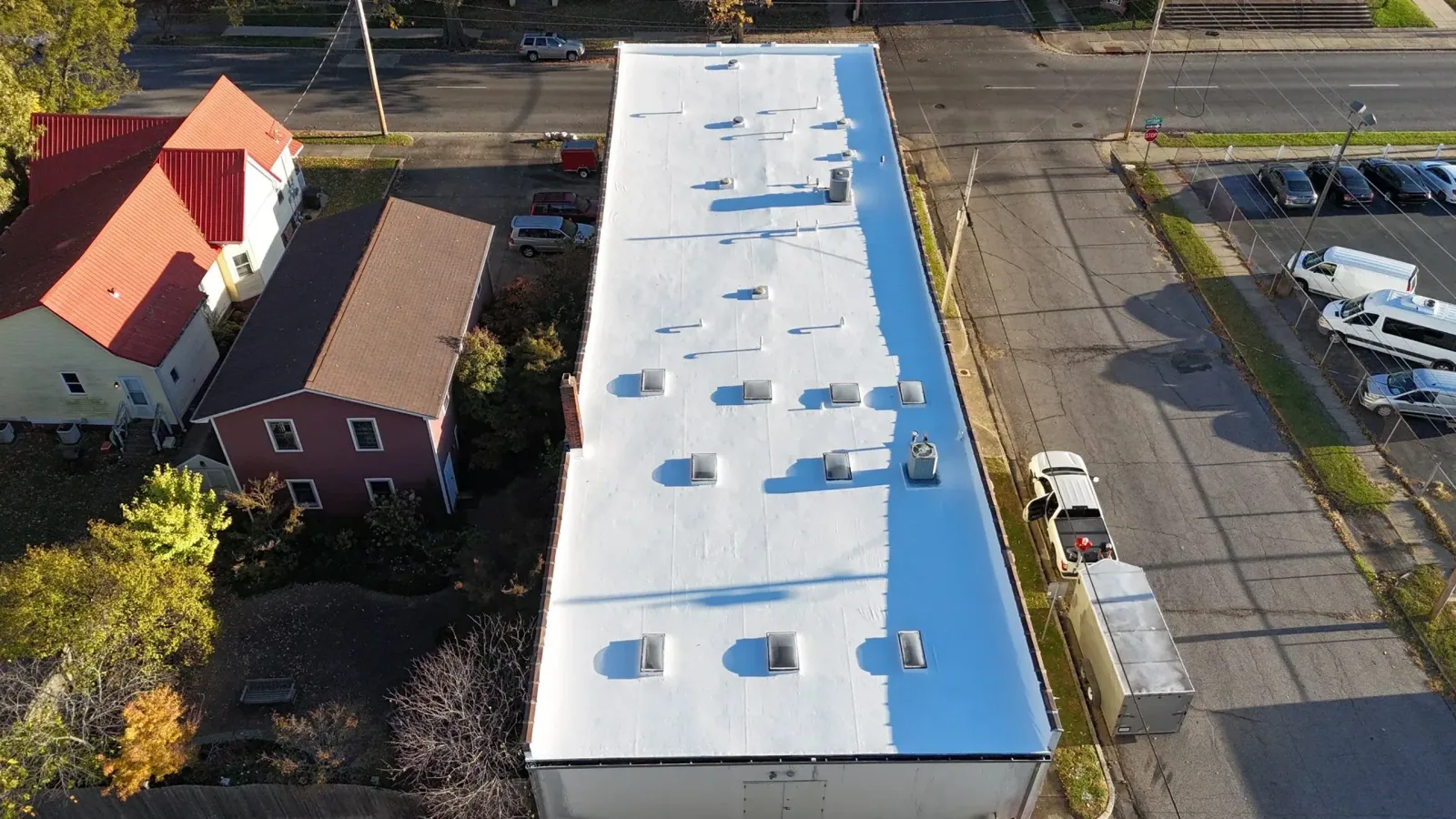
A reflective surface runs cooler than a dark one, which slows the aging of the membrane and reduces the heat the building must remove. A cool roof installation is a planned decision with a written comparison. A reflective coating can do part of the same job on an existing roof if the membrane is sound and the insulation dry.
We check that before anything is quoted. Moisture readings and a seam probe tell us whether a coating will bond and last, and a roof that fails them needs repair first. A coating over wet insulation traps the water, which is why the survey comes first. Where the roof qualifies, coating restoration is priced beside a recover and a replacement, so the owner can see what each buys.
What do rooftop units add to the heat story?
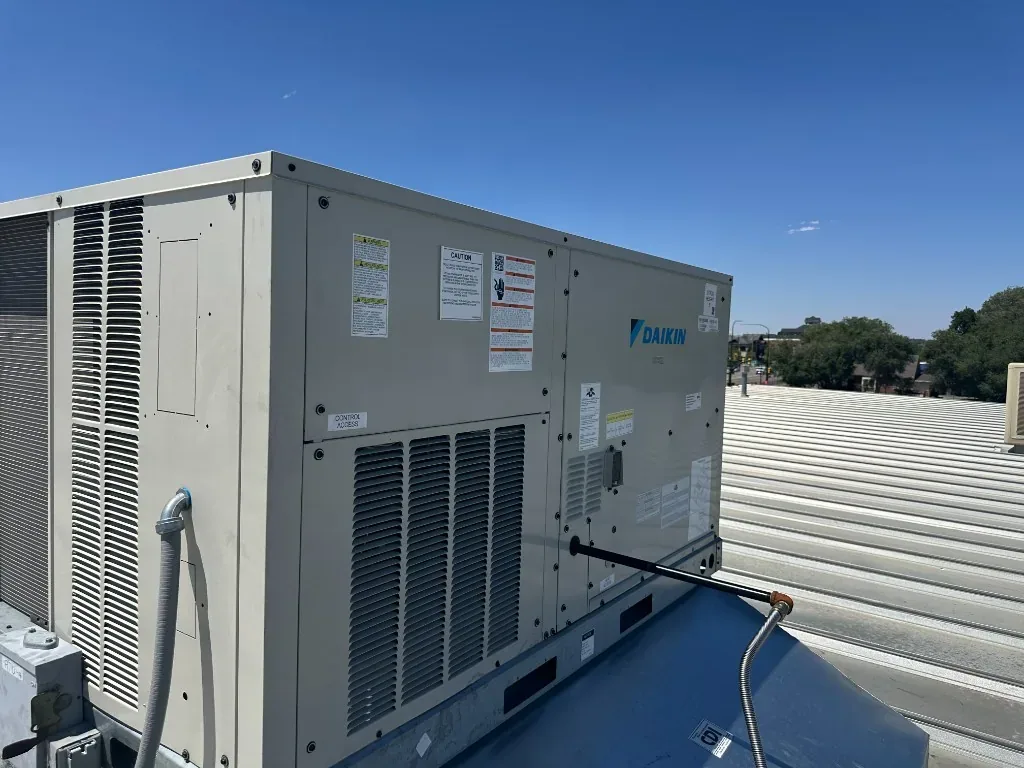
A unit on a roof is a heat source and a set of openings. Exhaust and condenser heat blows across the surrounding membrane, so the surface near a unit often ages faster than the field. Each unit sits on a curb with a flashing, lines pass through the roof, and a condensate pipe may drip onto the membrane in one spot. All of those are checked.
We photograph each unit, curb and line, mark them on the sketch and compare the surface around them with the field. A one-grade difference between the zone and the field is a useful finding, because it points to where repairs will be needed first. Walkway pads protect the membrane where technicians step, and a drip pan or splash block protects it where condensate falls.
For a small building with a single unit, this takes minutes and often saves a leak. For an asset manager with many, the register lists every unit by roof, which makes it easy to see where a replacement will need roof work. Rooftop equipment curbs and supports are recorded in the same file.
How is work routed along State Highway 95?
State Highway 95 links Holland with the area around Temple and with Taylor. For an owner with buildings along it, routing is part of the plan. We group visits by area, confirm the day's route and the delivery window and note any lane or driveway conditions in the job file. Holding repairs go first. Permanent work is batched by location, so a crew that is already on the road can handle more than one address.
We do not promise arrival times. We quote a dispatch window, never a promised time, after the address, access and weather are known, and the call opens with the make-safe step so the owner can protect the building while waiting.
What does the 2024 storm record add?
On May 22, 2024 an EF-2 tornado struck Temple, where restaurants, shops, banks and strip malls took damage, while estimated gusts of 80 to 90 mph in straight lines crossed the city. These events are regional context for owners along SH 95 and not a finding about any roof in Holland. They are a reason to check edge metal, caps and rooftop items before spring and to keep a baseline for comparison afterward.
After a storm, a roof gets its water stopped, its photographs taken and its bridging repair set before any lasting scope is priced. A roof in Little River-Academy or Temple follows the same sequence.
What are the options, and who decides?
The findings decide the scope. Local defects over dry insulation are repaired. A sound membrane with worn surface can be coated. Where a second membrane can be carried, a recover is possible. Wide wet areas call for replacement. Cost follows area, system, insulation condition and access. The owner picks, and the file records the choice and the date.
Commercial Roofing Questions
How can I tell if sealant has failed?
Press it. A bead that is soft and bonded is sound. One that is hard, cracked or pulled away has failed. We photograph each bead and replace failed sealant with a compatible material.
Is a cool roof worth it for a small building?
It can be, since the heat season is long. The comparison depends on the roof type and budget, and we put the added cost beside the expected benefit.
Can a coating fix a leaking roof?
Only if the membrane is sound and the insulation is dry. A coating over a leak or wet insulation fails. We probe and take moisture readings first.
How often should a small roof be walked?
Each spring and again in late summer. The pair of walks shows what the heat did and gives the owner a rate of change.
Do you group jobs along SH 95?
Yes. Holding repairs go first, and permanent work is batched by area so a crew on the road can reach more than one address.
What does condensate do to a membrane?
Repeated dripping in one spot can wear the surface and stain it. A splash block or drip pan spreads the water, and we note any worn spot under a pipe in the record.