Barracks and Unaccompanied Housing Roofing
Water is coming through the ceiling of a barracks room, and the first decision belongs to the unit's leadership and the installation's facility manager: relocate the occupants, close the floor, or hold. The roof is the second question, and it is answered with photographs and a sketch, not an opinion. Fort Hood is the U.S. Army post near Killeen, some 25 to 30 miles west of Temple, TX, and its billeting once held a planned 6,007 officers and 82,610 enlisted personnel before it was privatized. That scale shapes how a barracks roof is surveyed, ranked, and scheduled.
What fails first on a barracks roof?
Flashings, drains, and the details that repeat across a row of identical buildings. A complex with buildings of the same design turns a defect at one into a warning for the rest. Common failure points are parapet and wall flashings, vent and pipe penetrations, gutters and downspouts, and rooftop equipment. When a pattern repeats, the record flags it so one finding becomes a check across the whole group.
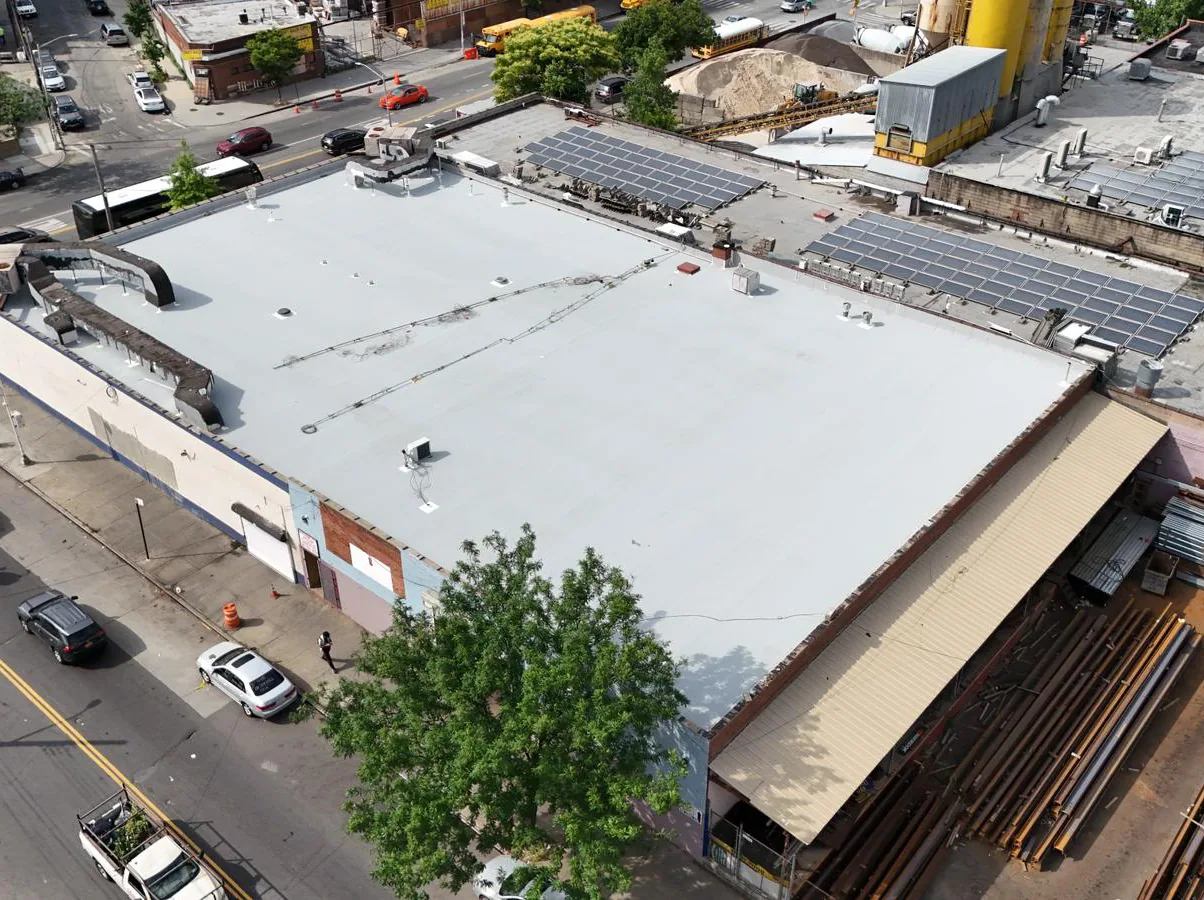
On the first visit every building is treated as a separate roof, and seams, flashings, drains, and moisture are logged under its building number. Heat is the regional backdrop: August in Temple runs near 95F, some 80 days a year top 90F, and sealants and thermoplastic seams feel it from May. The sketch ties each roof section to the rooms below, so a stain in a room is matched to the roof above it, not guessed at.
What is the make-safe step with occupants inside?
The crew works from the roof, and occupants and unit leadership handle the interior. A sealed patch or temporary dry-in keeps water out. We photograph the opening before covering it, record the building and room beneath it, and note the materials used. The record marks the holding repair as temporary, dates it, and states what it covers.
Access follows the installation's rules: gate processing, escorts, and the facility manager's approval of each day's start. Each post sets its own rules, and they shift with the security posture; the contracting office or the government's representative has the final say. The make-safe step is planned to fit inside those limits, which can reduce the working window. The permanent scope is written after the survey, and the decision belongs to the owner. Temporary protection is rechecked after every rain until the permanent work starts, because a patch that was sound on Monday may have shifted by Friday.
How does reroofing work with soldiers in the building?
Barracks stay occupied unless the installation vacates them. The plan phases work by wing or section, with sections opened and closed the same day. Noisy work such as tear-off and fastening is scheduled around training, formations, and sleep patterns of shift workers. Walkways under work areas are covered or rerouted, and entrances stay clear.
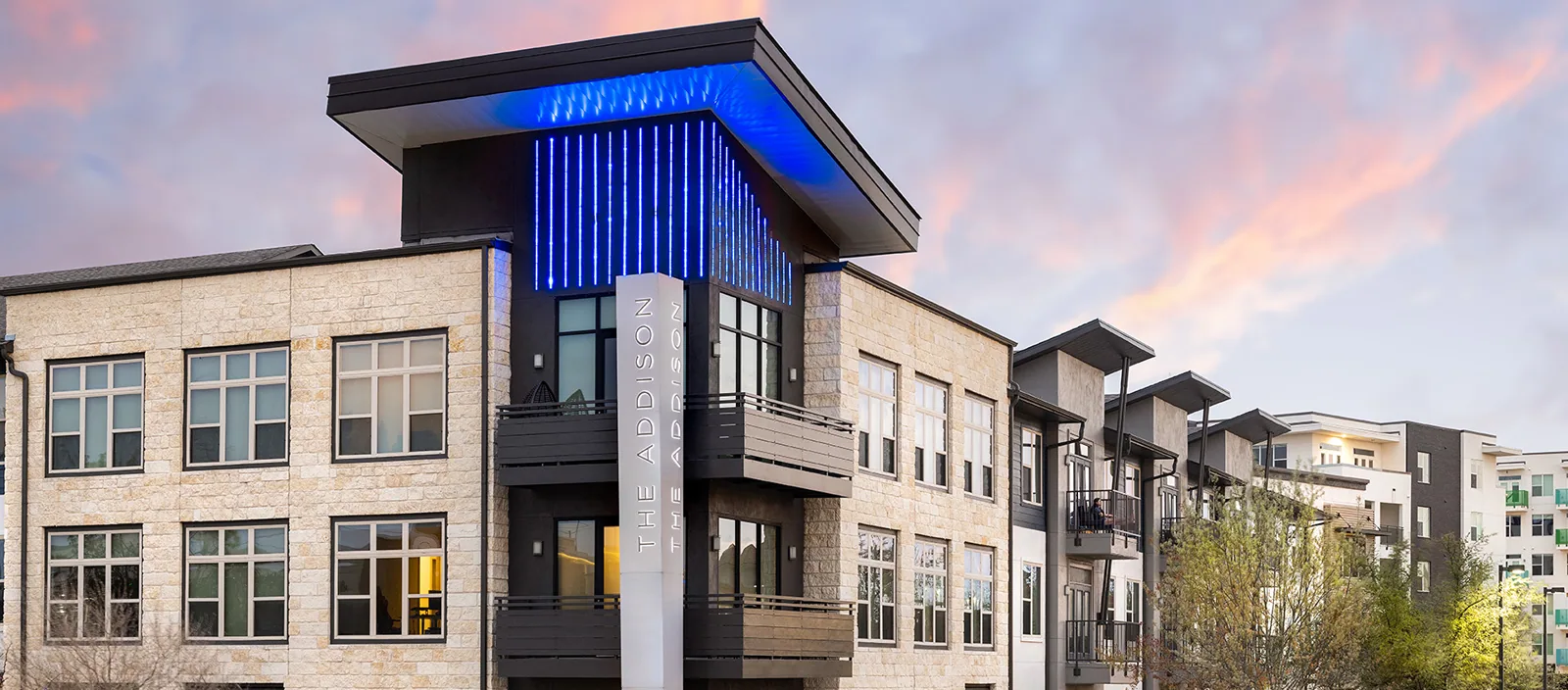
These methods are the same ones used on any occupied building, from an apartment property to a hotel, with extra coordination for the unit's schedule. Debris is chuted or lifted in covered containers. Fasteners are swept up daily with magnets, since vehicles and boots are close to the building. The plan names the unit point of contact, the work windows, the staging area, and the route for materials. Lifts and cranes are scheduled for hours when the area below is clear, and a spotter watches the drop zone whenever material moves overhead. Each day closes with a walk of the roof and the ground below, so loose fasteners, offcuts, and packaging are removed before the unit returns to the building. A photograph record shows the sections opened and closed each day.
What do the Unified Facilities Criteria change?
Federal roofing work is generally held to the Unified Facilities Criteria for roofing. The criteria set the design basis for wind uplift, insulation, drainage, and attachment, and a government scope cites them along with the contract's own specification. Submittals, quality-control steps, and test records follow a formal path that private work does not.
A roofer working to those documents keeps core cuts, moisture maps, pull tests, and photographs in a form the government quality representative can review. The roof record we keep for any building, made up of a sketch, dated photographs, a drain log, and a moisture map, already meets that documentation standard. Any installation roof follows the logic of military installation roofing, and every building on an Army installation adds gate and escort steps to it. The Temple Building Department applies the International Building Code only to work inside Temple.
How are wet roofs found across many buildings?
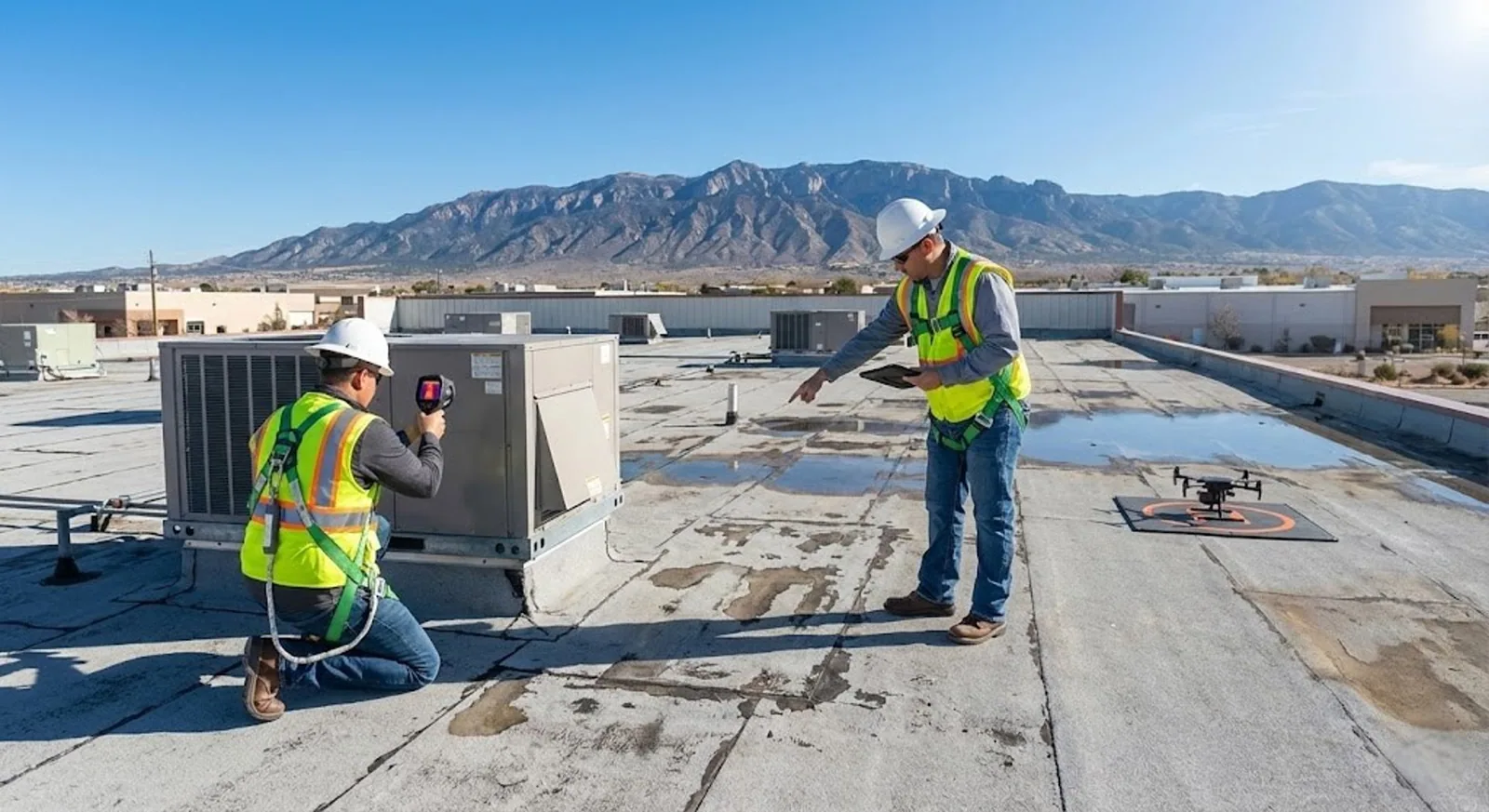
An infrared scan on a clear evening reads each roof surface, and core cuts confirm the findings. The moisture map marks wet and dry areas on each building, and the repair covers only the wet portion. Maps are dated and filed by building number, and a resurvey tells the unit whether the patch held. The file shows the same room numbers and building numbers the unit uses, so leadership can read it without translation.
Across a large inventory the maps produce a ranking in three groups: fix now, watch, or plan to replace. The ranking is the planning tool for a facility manager who must spread funds across many buildings. A record in the form of a due diligence roof survey makes each building's remaining life visible, and it gives a prime contractor the evidence to scope work. A general contractor pricing a barracks package needs that data to bid.
What does regional weather mean for barracks roofs?
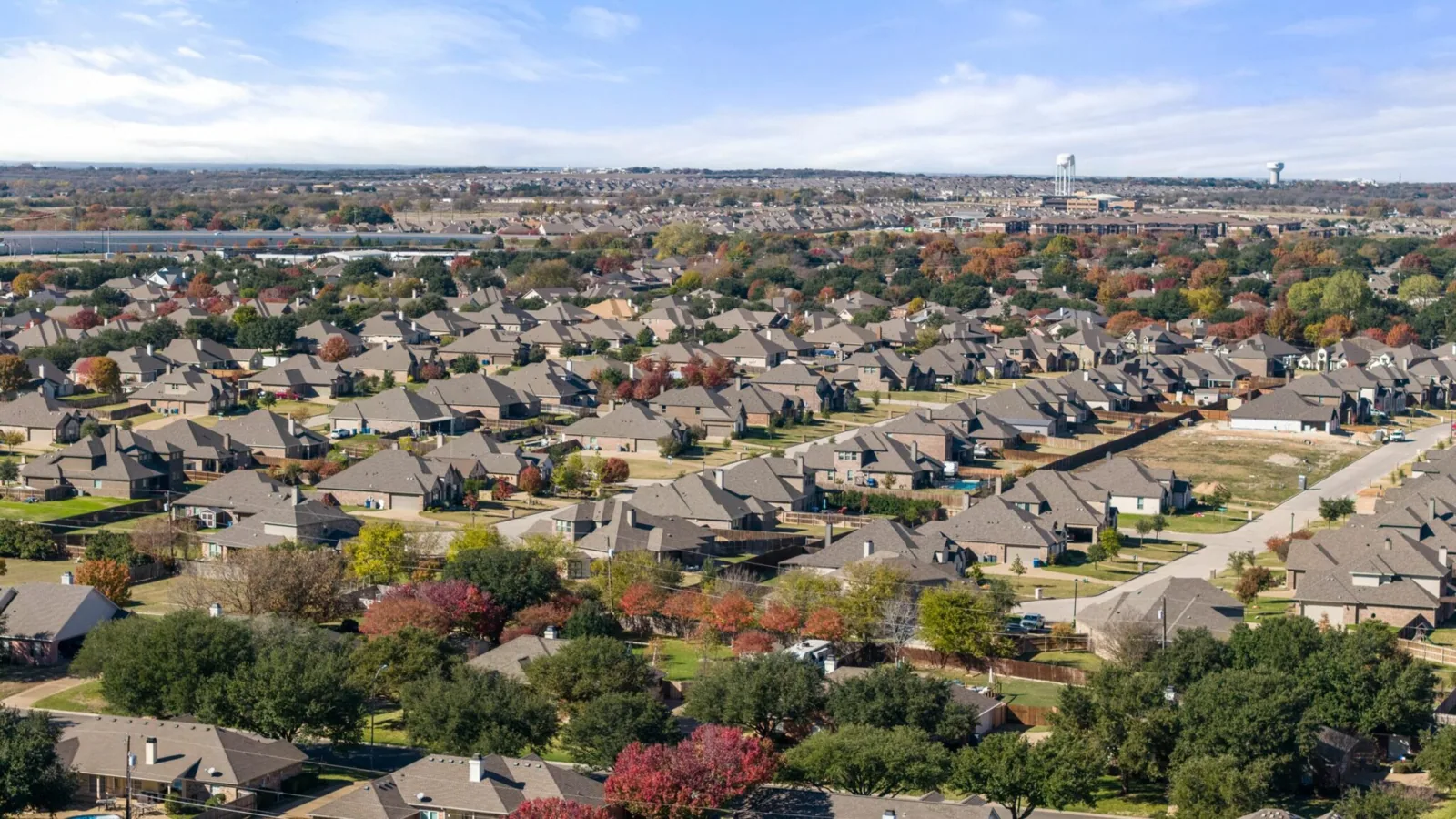
Storms in the region give a barracks owner reasons to check edges before the season. In Temple the National Weather Service confirmed an EF-2 tornado on May 22, 2024, and estimated gusts of 80 to 90 mph in straight lines across that city. A weaker EF-1 tornado began near Little River-Academy the same evening. That is regional context for Central Texas, and it supports a pre-season edge and equipment review on any building, not a finding about any post.
Edge metal, gutters, and rooftop equipment are checked for loose fasteners before storm season. Wall-mounted equipment on a multi-story building can drain onto the roof edge below, so those discharge points are traced and any that soak the membrane are redirected. After a storm, the comparison with earlier photographs shows what moved. Commercial buildings in nearby Killeen and Copperas Cove are inspected on the same record.
Commercial Roofing Questions
Who decides whether occupants move during a roof leak?
The unit's leadership and the facility manager decide. We report where the opening sits and how well it is covered, and relocating occupants remains their decision.
Can a barracks be reroofed while occupied?
Yes, usually in phases: sections open and close within the day, loud work avoids training and rest hours, entrances stay open, and the facility manager and the unit sign off on the plan first.
What does access do to a work schedule?
Gate processing, escorts, and inspections take time each day and shorten the working window. The plan builds that time in. Variations from the approved plan go back to the government representative before work continues.
How do repeated building designs help?
A defect found on one building is a prompt to check the others of the same design. The record flags repeating details, so one finding becomes a check across a group and repairs can be batched to reduce cost and disruption.
What documentation does a government quality representative expect?
Submittals, core logs, test results, daily records, and dated photographs. We keep each in a consistent format by building number, so the representative can follow a roof from condition survey to closeout.